


 RBA Says ASX Still Falls Short on Governance and Risk Controls
  Yen in Focus as BOJ, Fed Rate Hikes Reshape Currency Markets
  Fed’s Hammack Says Bond Yield Surge Is Not Driven by Inflation Fears
  Asian Currencies Weaken as Dollar, Oil Prices Rise
  Nvidia China Chip Sales Report Sends Chinese Semiconductor Stocks Lower
  Fed Unveils Stablecoin Rules Under GENIUS Act
  ECB May Stop Rate Hikes After December, Capital Economics Says
  Gold Holds Near Seven-Week Low as Fed Rate Hike Bets Rise
  BOJ Set to Raise Rates to 1.25% as Inflation Risks Build
  U.S. Stock Futures Fall as Iran, Oil and AI Risks Rattle Markets
  Fed Unveils Stablecoin Rules Under GENIUS Act
  U.S. Stock Futures Steady as AI, Rate Concerns Weigh
  Gold Rebounds as Oil Falls and Treasury Rout Eases


 Add as a preferred source on Google
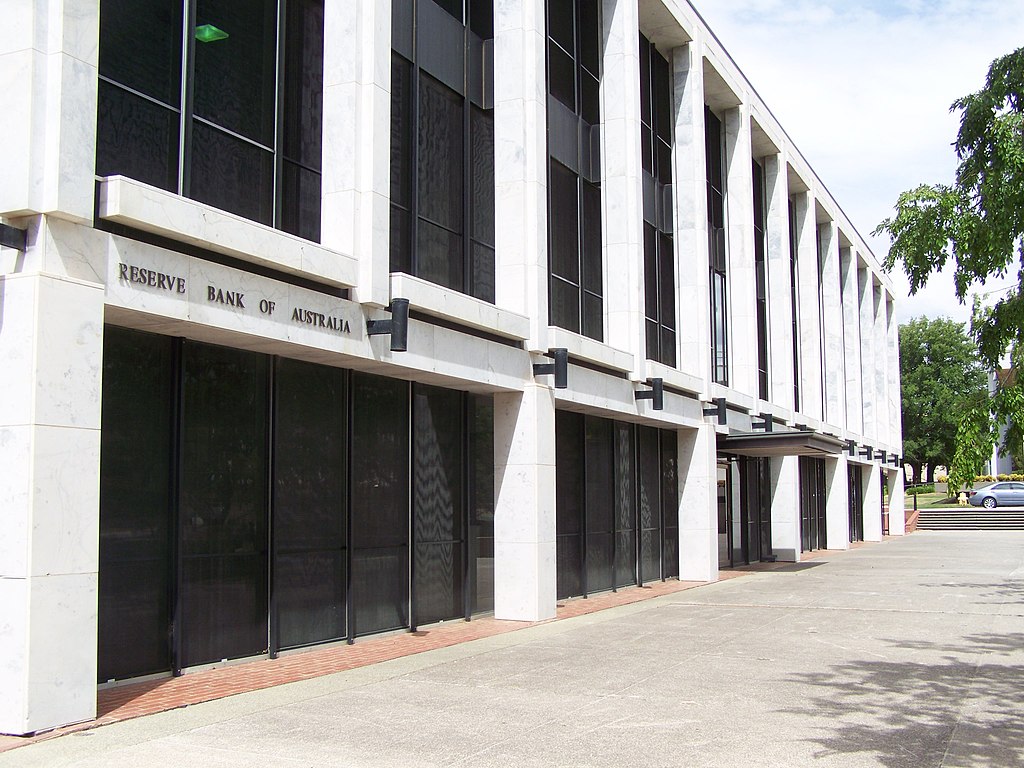
The Reserve Bank of Australia (RBA) is now unlikely to cut interest rates in 2026, according to updated forecasts from Westpac, as inflation remains stubbornly elevated and insufficient to shift the central bank’s hawkish stance. In a recent analyst note, Westpac said it expects the RBA to keep rates on hold throughout 2026, with the first potential rate cuts pushed back to early or mid-2027.
This change in outlook follows a resurgence in Australian inflation during the second half of 2026. Westpac highlighted that core inflation is forecast to rise back above the RBA’s target range of 2% to 3% on an annual basis, reinforcing the central bank’s cautious approach to monetary easing. While inflation is expected to moderate over time, analysts believe the pace of decline will be too slow to justify near-term rate cuts.
The RBA held interest rates steady at its most recent policy meeting, with Governor Michele Bullock emphasizing that inflation risks remain a key concern. She warned that rates are likely to stay unchanged in the near term as the central bank prioritizes price stability. Westpac noted that although inflation is still expected to fall back within the target range, this is now projected to occur later in 2026 than previously anticipated.
After an estimated 75 basis points of rate cuts in 2025, the RBA is expected to pause further easing as it balances inflation control with maintaining a resilient labor market. Westpac analysts added that a sharp deterioration in employment conditions could still bring rate cuts back into consideration during 2026, as the RBA has consistently stressed the importance of supporting jobs while curbing inflation.
However, Westpac also cautioned that if inflation proves more persistent than expected, the RBA could even consider raising interest rates, though this is not its base case. Chief Economist Luci Ellis noted that further upside surprises in inflation through late 2025 or early 2026 could shift the policy balance. Any near-term rate hike, she said, would likely weigh on economic growth and the labor market, prompting the RBA to reverse course and ease policy again in 2027.







