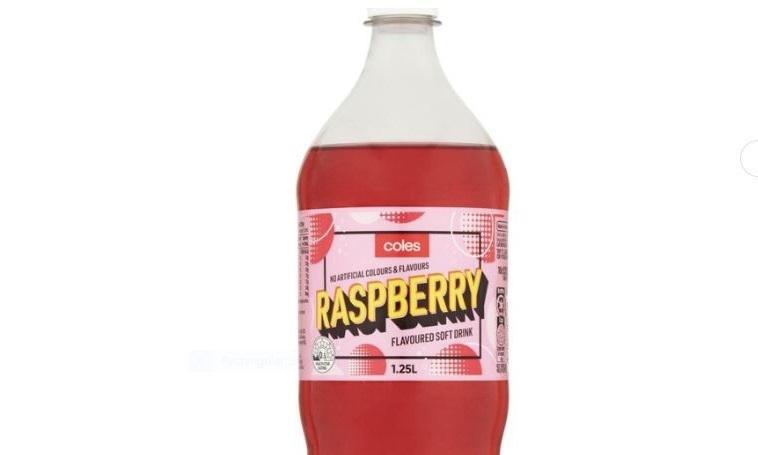
Aussies hoping to get their hands on cheap soft drinks such as Woolworths and Coles at the supermarket have been left in the lurch at the checkout. A nationwide shortage of carbon dioxide stripped supermarket shelves bare of hone-brand drinks.
Nationwide Concerns
Yahoo reported that the shortage has caused a ripple effect, affecting the availability of soft drinks and the brewery and hospitality industry, which relies heavily on carbon dioxide for carbonation and packaging purposes. Businesses are facing unprecedented challenges, with some smaller enterprises struggling to stay afloat as they cannot meet the demand for carbonated beverages.
According to ABC, fizzy drink enthusiasts all over the country have picked up on the significant lack of stock, which has been noticed at both of the nation's major supermarkets due to an ongoing CO2 shortage causing supply chain issues for manufacturers.
Industry Response
Representatives from the beverage industry have been forthcoming about the challenges they face, attributing the CO2 shortage primarily to operational disruptions at crucial production facilities. Companies have adopted various strategies to mitigate the situation, including sourcing carbon dioxide from alternative suppliers at a significantly higher cost.
Despite these efforts, industry leaders warn that consumers may experience fluctuations in product availability and price increases until the supply chain stabilizes. In response to the unsettling shortage, beverage companies and supermarkets have been scrambling to find alternative sources of CO2 and adopt new strategies to minimize the impact on consumers.
Some local producers have turned to innovative technologies that capture carbon emissions from other processes, repurposing them for the carbonation of drinks. Despite these efforts, industry experts warn that prices may see a temporary spike as the supply chain adjusts to these new methods and sources of carbon dioxide.
Consumer Reaction
The widespread CO2 shortage and its impact on fizzy drink availability have elicited mixed reactions from the public. Some consumers expressed disappointment and frustration over the scarcity of their favorite beverages on social media platforms. In contrast, others have shown understanding and support for the industry's attempts to tackle the crisis.
Photo: Coles Website