


 European Stocks Flat as Iran Tensions, ECB Rate Hike Loom
  Trump Threatens Bombardier U.S. Sales Ban
  US Bans Canadian Alcohol, Motorcycles as Trade War Escalates
  U.S. Probes Apex Logistics Over Nvidia AI Chip Shipments to China
  Gold Prices Rise as Yen Rally Weakens Dollar
  UK House Prices Fall for First Time Since 2023
  US Judge Dismisses Imran Ahmed Deportation Lawsuit
  Google Changes EU Spam Policy Amid Antitrust Scrutiny
  Trump Administration Moves to Strip ABA of Law School Accreditor Status
  SEC Proposes ‘Regulation Crypto Assets’ Framework for Crypto Fundraising
  Cuba Says No US Talks as Blockade Costs Hit $8.1 Billion
  Trump Grants Clemency to Jay-Z Associate Emory Jones
  Canada Retaliatory Tariffs on U.S. Goods Take Effect
  Guatemala Receives 2,300 Mexicans Deported From US
  South Korea GDP Surges on Chip and AI Boom
  US Resumes Immigrant Visa Processing for Hungary, Poland
  Iran Allows Iraqi Oil Tankers Through Strait of Hormuz


 Add as a preferred source on Google
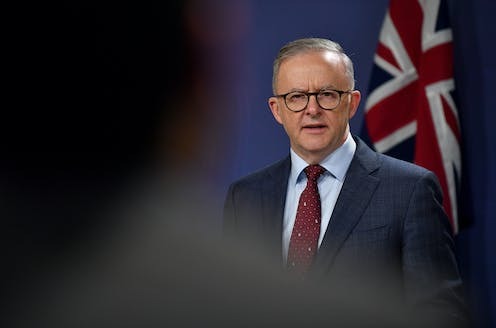
Australia’s Prime Minister Anthony Albanese clarified that the recent decision to ease restrictions on U.S. beef imports was not influenced by U.S. President Donald Trump. The announcement comes as both countries engage in broader trade discussions.
The import curbs, implemented in 2003 over concerns about bovine spongiform encephalopathy (mad cow disease), have been under review for a decade. Albanese stated on Australian Broadcasting Corp television that the decision was “not political” and confirmed Trump never raised the issue during their recent phone call.
Trump previously hailed the policy shift, suggesting the U.S. would export “so much” beef to Australia. U.S. Agriculture Secretary Brooke Rollins also described the move as a win for Trump. The easing could potentially help smooth negotiations on U.S. tariffs targeting Australian steel, aluminium, and pharmaceuticals, which Canberra hopes to reduce.
Australia’s agriculture minister emphasized that the policy change followed a “rigorous science and risk-based assessment” confirming U.S. cattle monitoring measures sufficiently address biosecurity risks. However, the National Party, part of the conservative opposition, warned that “biosecurity should not be political” and called for an independent review.
Despite the policy shift, analysts expect minimal impact on trade volumes. Australia remains one of the world’s largest beef exporters with competitive pricing. In 2023, Australia exported nearly 400,000 metric tons of beef worth $2.9 billion to the United States, while only 269 tons of U.S. beef entered Australia.
The easing of import rules was first reported by the Australian Financial Review and comes amid heightened trade tensions and negotiations between Canberra and Washington.







