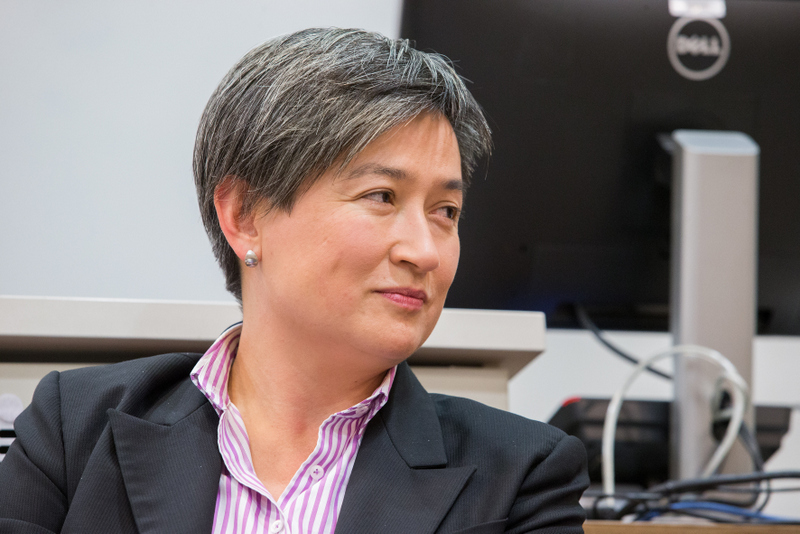
Australia has announced new financial sanctions and travel bans against four senior officials of Afghanistan’s Taliban government, citing the worsening human rights situation in the country, particularly the escalating restrictions placed on women and girls. Foreign Minister Penny Wong said the targeted officials were directly involved in systemic oppression and in actions that undermined governance and the rule of law under Taliban leadership.
The sanctions apply to three Taliban ministers and the group’s chief justice, all of whom have been accused of enforcing policies that limit Afghan women’s access to education, employment, freedom of movement and participation in public life. According to Wong, these measures are part of Australia’s updated sanctions framework, which gives the government greater ability to independently impose penalties designed to increase pressure on the Taliban and advocate for the rights of the Afghan people.
Since the Taliban regained control in August 2021—after the withdrawal of foreign troops, including Australian forces—the group has reinstated harsh restrictions reminiscent of its previous rule. Despite international criticism, Taliban leaders maintain they uphold women’s rights according to their interpretation of Islamic law and local traditions. However, global human rights organizations and numerous governments argue that the ongoing bans on female education, professional opportunities and civil liberties contradict those claims.
Australia was among the countries that evacuated thousands of Afghans, primarily women and children, following the Taliban’s return to power. Many of those who fled now rely on humanitarian aid as Afghanistan continues to face severe economic challenges and widespread poverty.
By enforcing these sanctions, Australia aims not only to condemn the Taliban’s oppressive policies but also to reinforce international efforts calling for restored rights and freedoms for Afghan women and girls. The government hopes that increased diplomatic and financial pressure will push Taliban leaders to reconsider their restrictive practices and engage more constructively with the global community.