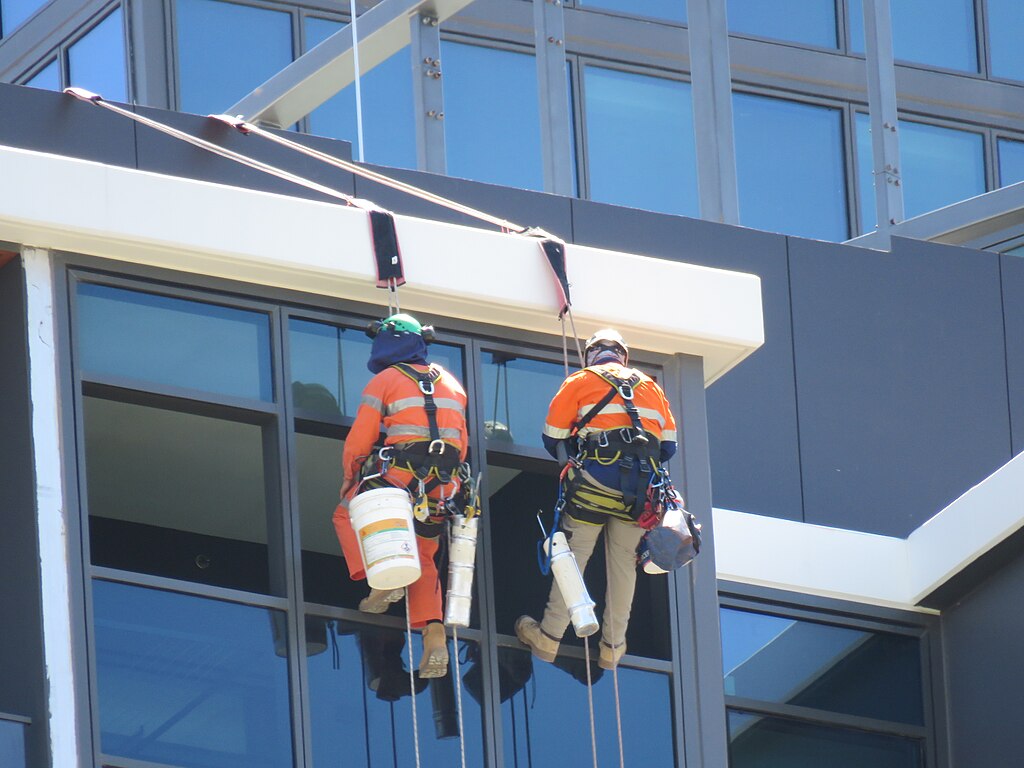
Australia’s Fair Work Commission (FWC) has announced a 3.5% increase in the national minimum wage, effective July 1, 2025. The new rate will be A$24.94 per hour (US$16.19), giving full-time workers an annual boost of approximately A$1,670. This decision impacts around 2.6 million of Australia’s lowest-paid workers and marks a real wage increase as inflation continues to ease.
Headline inflation remained steady at 2.4% in Q1 2025, well within the Reserve Bank of Australia’s (RBA) 2–3% target range and significantly down from its 7.8% peak in late 2022. FWC President Adam Hatcher emphasized that this adjustment aims to restore real income lost to rising living costs over the past few years. “Failing to act now would permanently embed reduced living standards for low-income workers,” he warned.
Last year’s minimum wage increase of 3.75% merely kept pace with inflation, offering little real income growth. In contrast, the current hike offers meaningful financial relief. The Australian Council of Trade Unions (ACTU) welcomed the move, calling it “a great outcome” for workers who bore the brunt of post-pandemic inflation. “Our lowest-paid workers are getting ahead again,” said ACTU Secretary Sally McManus.
The RBA, responding to subdued inflation and global trade uncertainties, recently cut interest rates to a two-year low and signaled potential further easing. Meanwhile, the Australian labor market remains stable, with unemployment steady at 4.1% for over a year. While job growth has been strong—especially in the public sector—wage growth remains moderate, minimizing risks of a wage-driven inflation spike.
The wage hike reflects cautious optimism in Australia’s economic recovery, balancing inflation control with improved living standards for low-income earners.