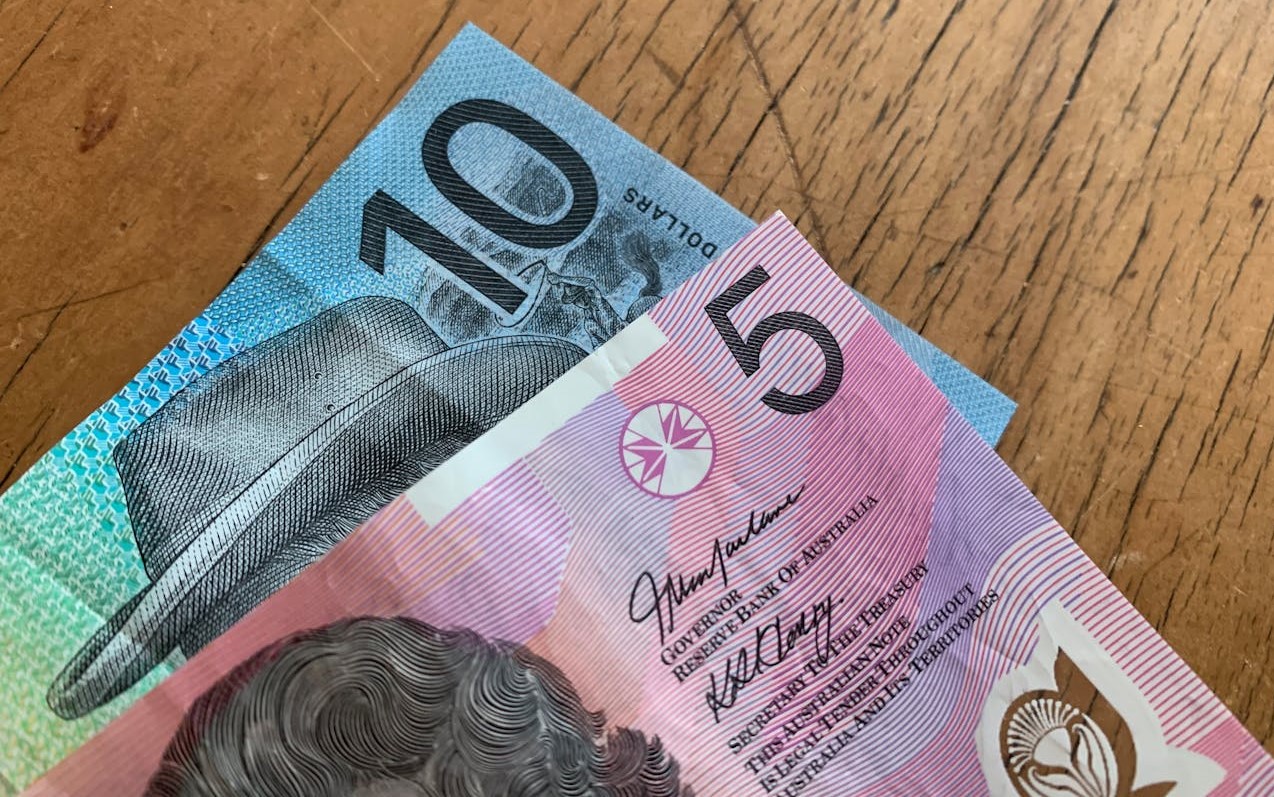
A major Australian pension fund is ramping up its currency hedging strategy as expectations grow that the Australian dollar is undervalued and poised to strengthen further. HESTA, one of Australia’s largest superannuation funds with around A$100 billion in assets under management, has been increasing its exposure to the Australian dollar by hedging a larger portion of its international equities portfolio.
According to Jeff Brunton, Head of Portfolio Management at HESTA, the fund’s long-term valuation models have indicated for some time that the Australian dollar is trading below its fair value. As a result, HESTA has adjusted its foreign exchange positioning to better protect its international investments. When the Australian dollar rises, the value of overseas assets can decline when converted back into local currency, making currency hedging an important risk management tool for long-term investors.
HESTA currently holds approximately A$23.45 billion in international shares and has reduced its exposure to foreign currencies compared with its long-term strategic benchmark. Brunton noted that the fund believes it has been underweight foreign currency not only relative to its own historical positioning but also compared with how peer funds manage currency risk.
This move reflects a broader trend among Australian pension funds. Australian Retirement Trust, the country’s second-largest super fund, has also recently increased the level of hedging on its international equities. Analysts suggest that growing demand for Australian dollars from institutional investors could add further upward pressure on the currency.
The Australian dollar has already shown strong momentum, rising 4.3% last month to reach its highest level in three years, followed by an additional gain of nearly 1% in February. The currency’s strength is being supported by widening trade surpluses driven by elevated commodity prices, as well as Australia’s relatively high government bond yields.
Further supporting the outlook, the Reserve Bank of Australia recently raised its official cash rate by 25 basis points to 3.85%, standing out as one of the few major central banks still tightening monetary policy while others pause or prepare to cut rates. Speculative market positioning has also turned positive, with investors shifting from net short to net long positions on the Australian dollar, reinforcing expectations of continued strength.