BMW Group Korea announced on April 15 that its procurement of components from South Korean suppliers in 2023 has significantly exceeded its own revenue in the country from the previous year. The German automaker reported a whopping purchase amount of 4.5 billion euros (approximately 6.63 trillion won), dramatically increasing from its total revenue of 6.17 trillion won in 2022.
This marks a significant 25% increase in purchases compared to the prior year, signifying South Korean companies' growing vital role within BMW Group's global supply chain.
A Decade of Strengthening Supply Chain Connections
Korea Bizwire noted that the relationship between BMW Group and its South Korean suppliers has steadily strengthened over the years. Since 2010, the cumulative value of parts purchased from domestic suppliers has reached an astonishing 30.78 trillion won.
What started as a 711.9 billion won procurement in 2010 crossed the 1 trillion mark in 2014 and continued to surge, surpassing 4 trillion in 2022 and breaking past the 6 trillion threshold last year.
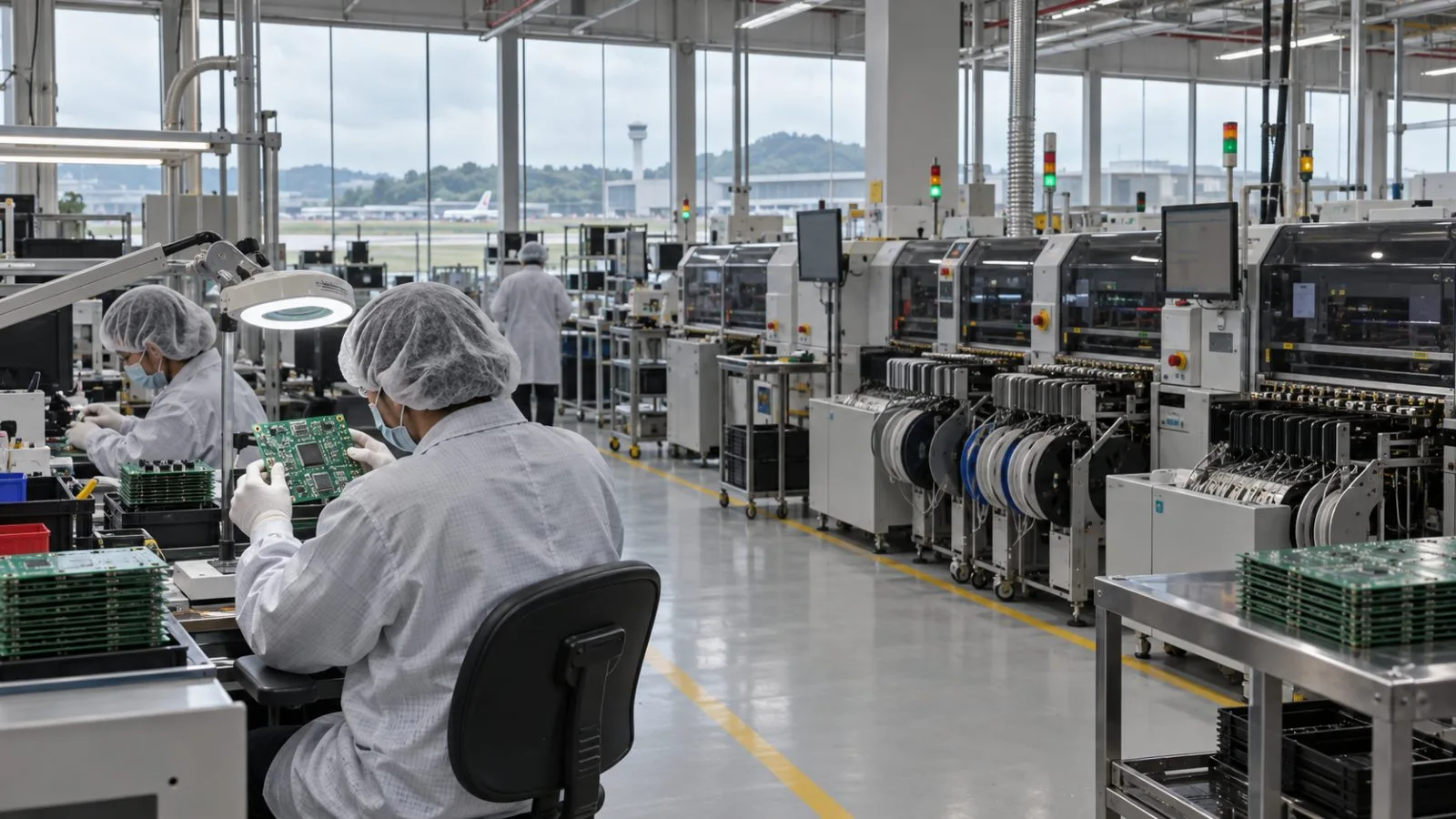
According to Business Korea, over 30 South Korean partner companies are sourcing a diverse range of components, including cutting-edge technologies like electric vehicle batteries and displays. This highlights the deep integration of local suppliers into BMW's supply chain. Esteemed partners include industry giants such as Samsung SDI, Samsung Display, LG Group, Hankook Tire, and Sebang Battery.
Future-Oriented Investments and Expansion Plans
Strengthening its commitment to South Korea, BMW Group Korea is not just focusing on procurement but also actively investing in the future of the country's automotive sector. According to Han Sang-yun, the president of BMW Group Korea, BMW Korea will continue to play a bridging role in supporting South Korean companies' expansion into global markets.
One notable investment is the "Charging Next" project, which aims to expand the electric vehicle charging infrastructure in South Korea. The project plans to increase the number of charging stations from the current 1,000 units to 2,100 by the end of this year. The BMW Korea Future Fund is also making strides in educational philanthropy and other initiatives, reinforcing BMW Group Korea's commitment to building a sustainable and growth-oriented ecosystem in South Korea.
Photo: Artiom Vallat/Unsplash