


 Oil Prices Jump Nearly 3% as Iran Holds Firm on Hormuz Conditions
  U.S. Stock Futures Fall as Iran, Oil and AI Risks Rattle Markets
  Japanese Yen Retreats as Dollar Rises Ahead of Fed, BOJ Rate Decisions
  China Industrial Profit Growth Slows as Weak Demand Offsets AI Gains
  Fed Unveils Stablecoin Rules Under GENIUS Act
  Fed Unveils Stablecoin Rules Under GENIUS Act
  Asian Stocks Fall as Oil Surge, Bond Yields and AI Concerns Hit Markets
  Central Banks Could Buy 20,000 Tonnes of Gold: BofA
  ECB May Stop Rate Hikes After December, Capital Economics Says
  US Dollar Hits Two-Month High as Aussie, Pound Slide
  Australia Budget Deficit Narrows to A$22.3 Billion on Stronger Tax Revenue
  Asian Chip Stocks Tumble as OpenAI Safety Pause Sparks AI Growth Concerns
  Nvidia China Chip Sales Report Sends Chinese Semiconductor Stocks Lower
  Asian Currencies Weaken as Dollar, Oil Prices Rise


 Add as a preferred source on Google
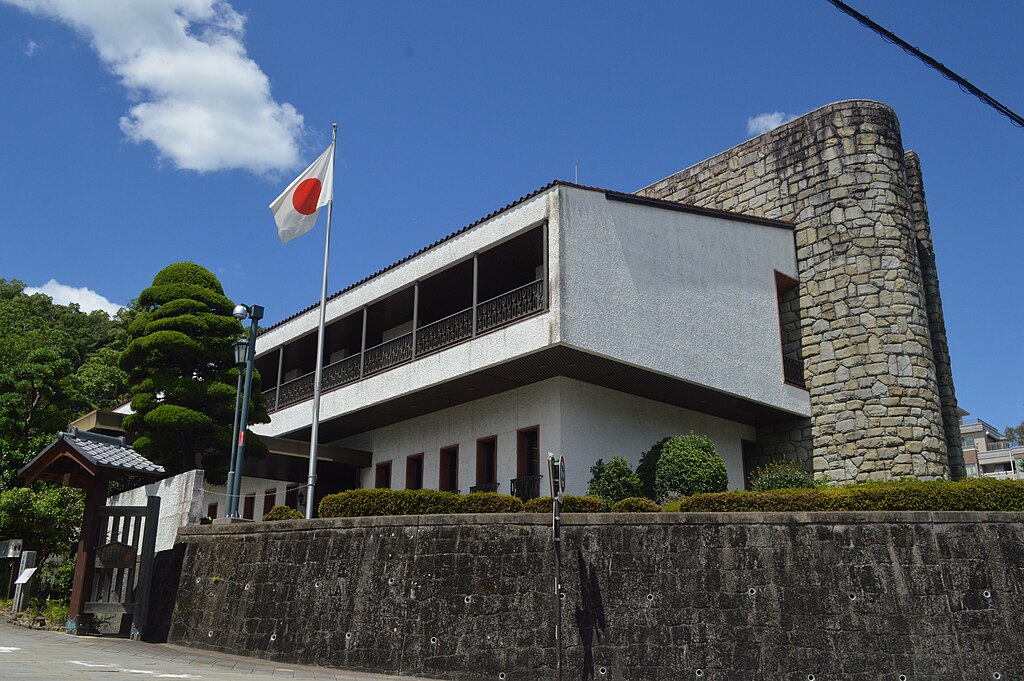
Bank of Japan (BOJ) policymakers actively debated whether to continue raising interest rates toward levels considered neutral for the economy, according to minutes from their October policy meeting released on Wednesday. The discussion highlights growing confidence among some board members that gradually tightening monetary policy could support long-term, stable economic growth and price stability in Japan.
The minutes from the October 29–30 meeting show that several policymakers believed the neutral interest rate sits above the BOJ’s then-current policy rate of 0.5%. These members argued that adjusting the degree of monetary accommodation in line with improvements in economic activity and inflation would help ensure sustainable growth over the long run. This view reflects a shift toward a more hawkish stance as Japan continues to emerge from decades of ultra-loose monetary policy.
Concerns over the weak yen were also raised during the meeting. A few members warned that recent declines in the Japanese currency could push up import costs, increasing the risk of inflation overshooting the BOJ’s target. Such inflationary pressure, they noted, could complicate the central bank’s efforts to maintain economic and price stability if left unaddressed.
Despite these arguments, the BOJ decided to keep interest rates unchanged at 0.5% in October. However, Governor Kazuo Ueda signaled the possibility of a near-term rate hike, underscoring that policy normalization was firmly on the table. Two hawkish board members, Hajime Takata and Naoki Tamura, dissented from the decision and unsuccessfully proposed raising rates to 0.75%.
Their stance was ultimately validated at the BOJ’s December meeting, when the central bank raised interest rates to 0.75%, marking a level not seen in Japan for 30 years. The October minutes reveal that many members already felt conditions were close to being ripe for a hike but wanted more clarity on whether companies would continue raising wages next year, particularly amid uncertainty surrounding higher U.S. tariffs.
One member also cited uncertainty over the policy direction of Prime Minister Sanae Takaichi’s newly inaugurated administration as a reason for caution. The October meeting took place just over a week after her government assumed office, leaving policymakers limited time to gauge its stance on monetary policy.







