


 Oil Prices Fall as Middle East Exports Recover, G7 Eases Supply Fears
  Fed Unveils Stablecoin Rules Under GENIUS Act
  Bitcoin Nears $87K as Crypto Market Gains
  PUMP Price Surges 15% as Whales Accumulate $3.58M
  German Industrial Orders Plunge 10.6% in August
  Middle East Oil Exports Top Pre-War Levels Despite Hormuz Attacks
  BOJ Signals Faster Rate Hikes as Inflation Risks Grow
  Hyperliquid Top Traders Turn Bearish as Smaller Wallets Stay Bullish
  Trump Plans Diesel Tax Relief as Fuel Prices Hit Record Highs
  Bitcoin Bull Cycle Still Early as XRP, NEAR Consolidate
  Hong Kong Stocks Slip as Property, Financial Shares Weigh
  Asian Stocks Rise as Nasdaq Record Offsets Bond Yield Pressure


 Add as a preferred source on Google
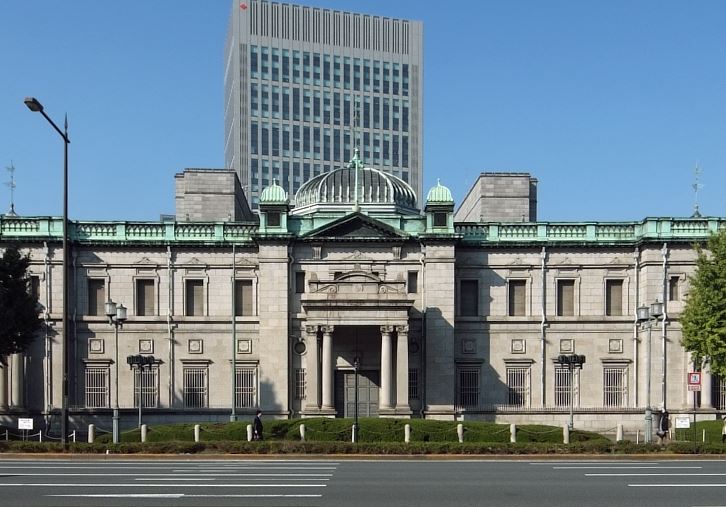
Bank of Japan (BOJ) board member Toyoaki Nakamura emphasized the need for caution regarding interest rate hikes, citing growing uncertainty from rising U.S. tariffs. In a speech on Friday, Nakamura warned that prematurely raising rates could negatively impact Japan’s slowing economy by dampening consumption and corporate investment.
The BOJ policymaker noted that higher U.S. tariffs could hurt Japanese corporate profits, reduce capital expenditure, and hinder wage growth—all key components of sustainable domestic demand. Given these risks, Nakamura stressed the importance of closely monitoring global developments before making any further adjustments to monetary policy.
“Rushing to raise interest rates when growth is slowing could curb consumption and investment with a lag,” Nakamura said, reinforcing the BOJ’s cautious stance. Japan’s economy, already grappling with fragile post-pandemic recovery momentum, could face heightened external pressures from global trade tensions, particularly if U.S. tariffs increase the cost of exports and disrupt supply chains.
Nakamura’s remarks align with the BOJ’s broader approach of maintaining ultra-loose monetary policy to support economic stability. Although the central bank made a historic shift in March by exiting negative interest rates, policymakers have since signaled that future hikes will be gradual and data-dependent.
His comments also reflect growing concerns that escalating trade tensions between the U.S. and China could spill over to key export-driven economies like Japan, undermining efforts to stimulate inflation and wage growth. As the global economic outlook remains uncertain, the BOJ appears set to proceed with caution, prioritizing domestic resilience over aggressive tightening.
This careful tone reinforces the market’s expectations that Japan’s interest rates will remain low in the near term as the BOJ waits for clearer economic signals.







