


 Nvidia China Chip Sales Report Sends Chinese Semiconductor Stocks Lower
  RBI Uses $10 Billion Currency Swaps to Drain Excess Rupee Liquidity
  Fed Unveils Stablecoin Rules Under GENIUS Act
  China Cuts Tariffs on U.S. Farm Goods but Excludes Soybeans
  BOJ Set for Rate Hike as Inflation and Yen Pressure Mount
  Oil Prices Slide as Middle East Flows Recover
  Gold Rebounds as Oil Falls and Treasury Rout Eases
  Fed’s Hammack Says Bond Yield Surge Is Not Driven by Inflation Fears
  US Dollar Hits Two-Month High as Aussie, Pound Slide
  South Korea Exports Set for 16th Monthly Gain on AI Chip Demand
  Fed Unveils Stablecoin Rules Under GENIUS Act
  RBA Says ASX Still Falls Short on Governance and Risk Controls
  Japan Factory Output Unexpectedly Falls 1.7% in August
  Central Banks Could Buy 20,000 Tonnes of Gold: BofA
  Dollar Eases Near Two-Month High as Yen Rebounds


 Add as a preferred source on Google
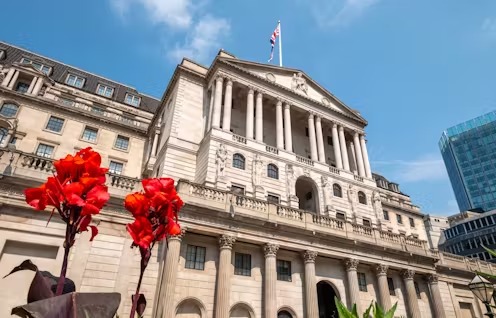
The Bank of England (BoE) is expected this week to slow the pace of quantitative tightening (QT) as volatility in UK bond markets intensifies. Since 2022, the BoE has cut its gilt holdings from £875 billion to £558 billion, offloading about £100 billion annually. A Reuters poll suggests the Monetary Policy Committee will reduce that pace to around £67.5 billion, a sharper slowdown than the Bank’s August forecast of £72 billion.
Markets remain highly sensitive to QT decisions, as many investors blame gilt sales for pushing up borrowing costs. Thirty-year UK government bond yields recently hit their highest level since 1998, while 10-year yields reached levels unseen since 2008. Although the BoE estimates QT has only added 0.15–0.25 percentage points to borrowing costs, fund managers caution that failing to adjust could spark fresh sell-offs.
Some analysts expect the BoE to trim sales to £80 billion and halt disposals of longer-dated bonds, which have seen the steepest price drops. To rely solely on maturing gilts, sales would need to fall to £49 billion annually. However, slowing too sharply risks political scrutiny ahead of Chancellor Rachel Reeves’ November budget, making QT an important signal of central bank independence.
Meanwhile, inflation pressures persist. UK inflation stood at 3.8% in July, the highest in the G7, and is forecast to hit 4% this month. While the BoE cut rates five times in just over a year, economists see no further cuts at this week’s meeting. Investors now price in only a modest chance of another reduction this year, with markets not fully expecting a quarter-point cut until 2026.
Still, weak growth, higher taxes, and a softening jobs market may force rates lower sooner than expected.







