
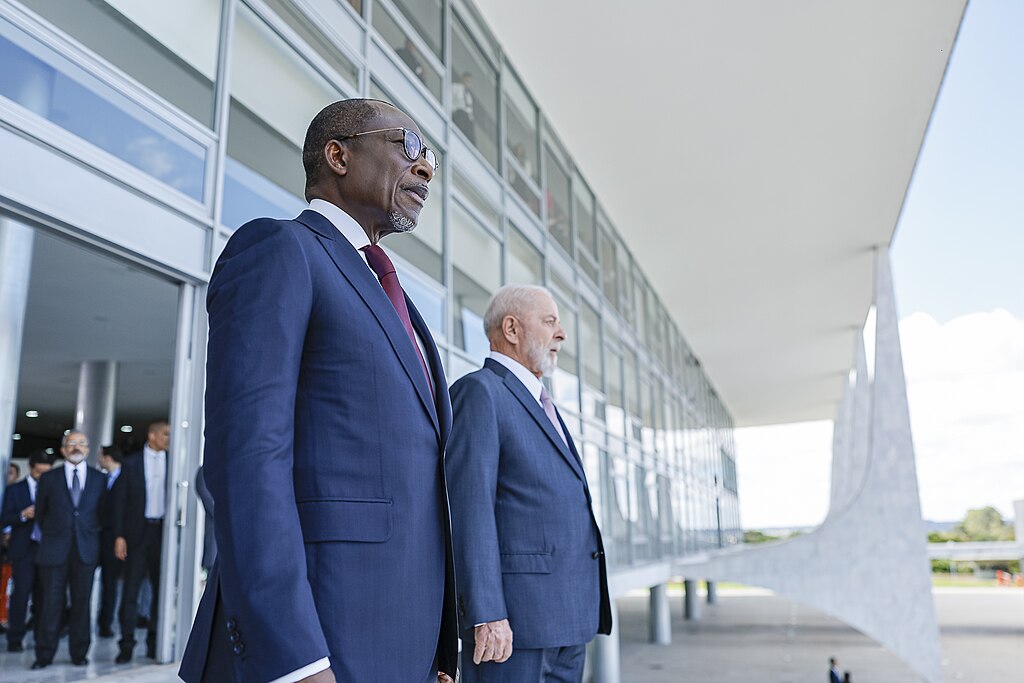
Benin President Patrice Talon announced on Sunday that government forces successfully foiled a coup attempt after hours of gunfire and unrest in Cotonou, the country’s largest city. The attempted takeover began early Sunday when a group of soldiers appeared on state television claiming to have removed Talon from power and dissolved national institutions. Their statement cited worsening security in northern Benin and alleged government neglect of fallen soldiers.
Talon later addressed the nation, confirming that loyal forces had regained control of key positions and defeated what he described as “adventurers” who threatened Benin’s stability. He emphasized that the mutineers would face justice and expressed concern for victims and individuals reportedly held by the fleeing soldiers. Authorities have arrested at least 14 people connected to the coup attempt, according to government spokesperson Wilfried Leandre Houngbedji.
The violence prompted swift regional and international reactions. At Benin’s request, Nigeria deployed air force jets and ground troops to secure Benin’s airspace and help retake the state broadcaster and a military camp. ECOWAS and the African Union condemned the coup attempt, and ECOWAS ordered the immediate deployment of elements of its standby force, including troops from Nigeria, Sierra Leone, Ivory Coast and Ghana.
Residents reported hearing gunfire and explosions in several neighborhoods throughout the day, leading to heightened security and roadblocks across Cotonou. The French embassy advised citizens to remain indoors as shots were heard near President Talon’s residence.
The coup attempt comes as Benin prepares for its April presidential election, following recent constitutional changes that extended the presidential term from five to seven years. Critics argue the reforms favor the ruling coalition, which has nominated Finance Minister Romuald Wadagni as its candidate.
Analysts note that rising jihadist attacks in northern Benin may have contributed to the unrest, though the country has remained largely stable for decades. Sunday’s events mark an unexpected challenge in a region that has experienced multiple military takeovers in recent years.


