


 US Senate Midterms 2026: Key Races That Could Flip Control
  US Supreme Court Denies Release of Anti-ICE Activist Kyle Wagner
  China Resumes US Soybean Purchases After Trump-Xi Summit
  Kim Jong Un Showcases ICBM Ahead of Possible Trump Meeting
  China Warns Taiwan Over South China Sea Coast Guard Incident
  Trump Announces Massive Oil and Mineral Exploration Plans in Greenland
  Zelenskiy Seeks New US Talks to Revive Ukraine-Russia Peace Negotiations
  FBI Denies Report of Kash Patel’s Russia Visit
  Trump Warns Houthis Over Attacks, Considers Erdogan Intervention
  Zelenskiy Says Trump’s Support for Russia Is ‘Painful’
  US Justice Department Drops Prosecution of Ex-CIA Analyst Sue Mi Terry
  MI5 Warns of Rising Iran, Russia Threats and AI Bioweapon Risks
  Netanyahu Rejects Preemptive Iran Strike Ahead of Israel Election
  Container Ship Sinks in Strait of Hormuz as Iran Attacks Escalate
  IMF Warns US Debt Crisis Needs Fiscal Action, Urges China to Boost Consumption
  Elon Musk Donates $366 Million to 2026 US Midterms
  Trump Confirms US Intelligence Sharing With Ukraine Amid Russian Strikes


 Add as a preferred source on Google
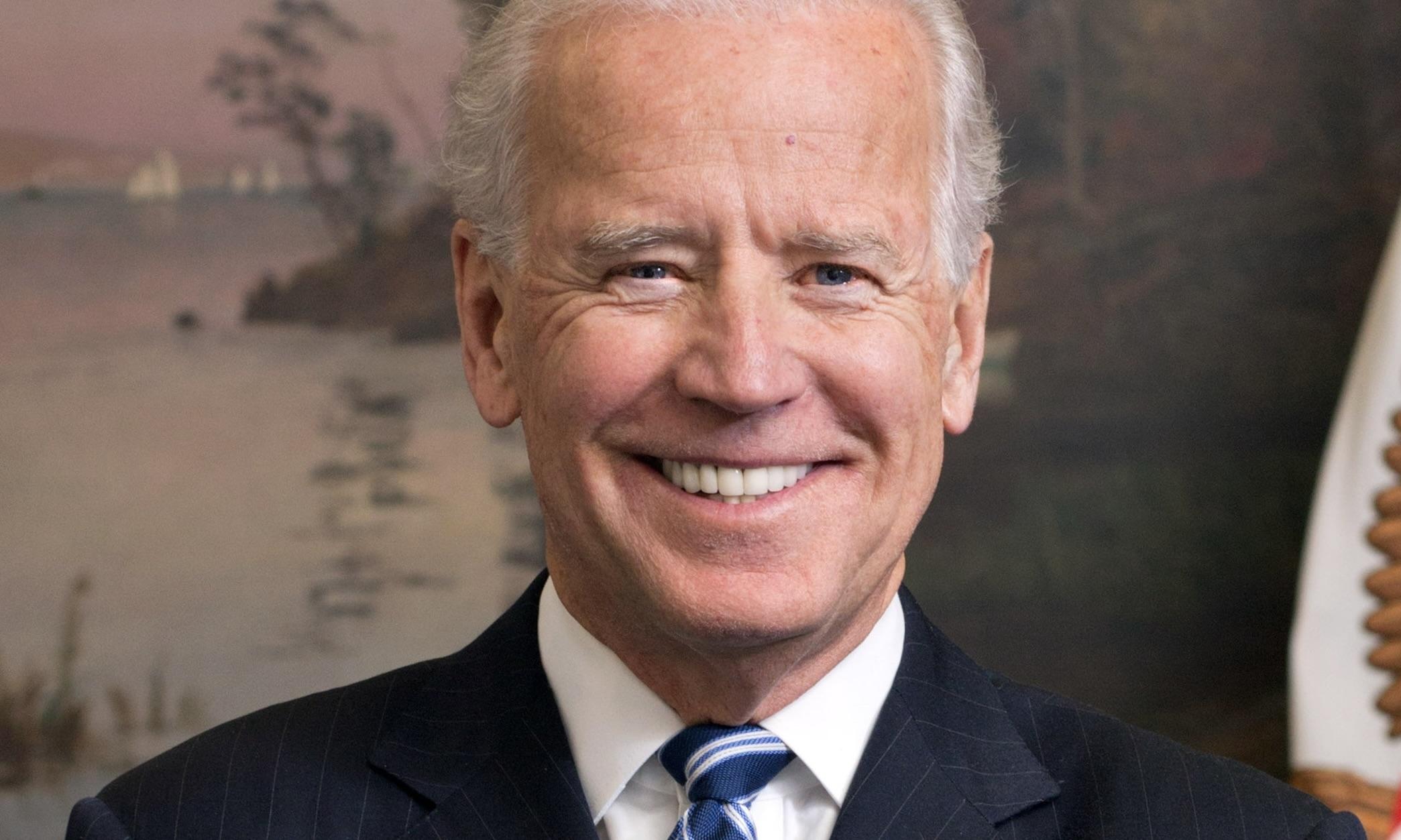
President Joe Biden has submitted a request to Congress seeking an additional $24 billion in funding for Ukraine, a move aimed at supporting the nation in its ongoing conflict with Russia. The request, which includes both military and humanitarian assistance, has reignited debates about the U.S.'s financial commitment to the war-torn country.
This funding package, if approved, would bring the total U.S. aid to Ukraine to over $135 billion since the conflict began in February 2022. The administration argues that the funding is vital to ensuring Ukraine's ability to defend itself and maintain stability in Eastern Europe. However, critics question the sustainability of such financial commitments, particularly amid domestic economic challenges.
White House officials stated that the new request includes $14 billion for military aid and $10 billion for humanitarian efforts. This funding would provide Ukraine with additional ammunition, advanced weapons systems, and support for displaced civilians. Biden emphasized the need for bipartisan support to pass the measure swiftly, calling it a critical step in maintaining global security.
Criticism Over Domestic Priorities
Despite the administration’s justification, Biden’s funding request has drawn sharp criticism from both sides of the aisle. Opponents argue that the focus on Ukraine detracts from pressing domestic issues, such as inflation, healthcare, and infrastructure development. Republican lawmakers, in particular, have expressed skepticism over the lack of transparency in how previous aid packages have been allocated.
Several Democrats have also voiced concerns, with some suggesting that the U.S. should prioritize its own economic recovery before committing more funds overseas. Analysts note that public opinion on the matter has become increasingly polarized, with many Americans questioning whether the benefits of continued aid outweigh the costs.
“This level of spending cannot continue without accountability,” said a congressional staffer familiar with the negotiations. “Americans want to know how this money is being used and whether it’s making a tangible difference.”
Social Media Reactions Highlight Division
The debate over Biden’s Ukraine funding request has spilled onto social media platforms, where users have shared a mix of support and criticism.
- @PatriotFirst99: “Why are we sending billions to Ukraine when Americans are struggling with skyrocketing grocery prices? This needs to stop!”
- @GlobalPeaceNow: “Ukraine’s fight is a fight for democracy. Supporting them is supporting global stability. We can’t turn our backs now.”
- @BudgetHawk2024: “$24 billion more? How much of this money is actually reaching the people who need it?”
- @StandWithUkraine: “Proud to see the U.S. leading the way. This aid could change the tide of the war.”
- @TaxpayerMadness: “Meanwhile, our infrastructure is crumbling, and student loans are back. Prioritize America first!”
- @PolicyExpert123: “This is not just about Ukraine. It’s about standing up to aggression and protecting global democracy.”
The Road Ahead for Biden’s Proposal
As Biden’s $24 billion request moves to Congress, its passage remains uncertain. Lawmakers on both sides have signaled demands for greater oversight and transparency before approving additional funds. The outcome will likely hinge on how the administration justifies the package and addresses concerns over the broader implications of prolonged financial support for Ukraine.
Observers note that the debate over Ukraine funding highlights a growing divide in U.S. foreign policy priorities. While some view continued support as essential to safeguarding democracy, others argue that domestic challenges should take precedence. Regardless, the proposal underscores the high stakes of the ongoing conflict and the global ramifications of U.S. involvement.







