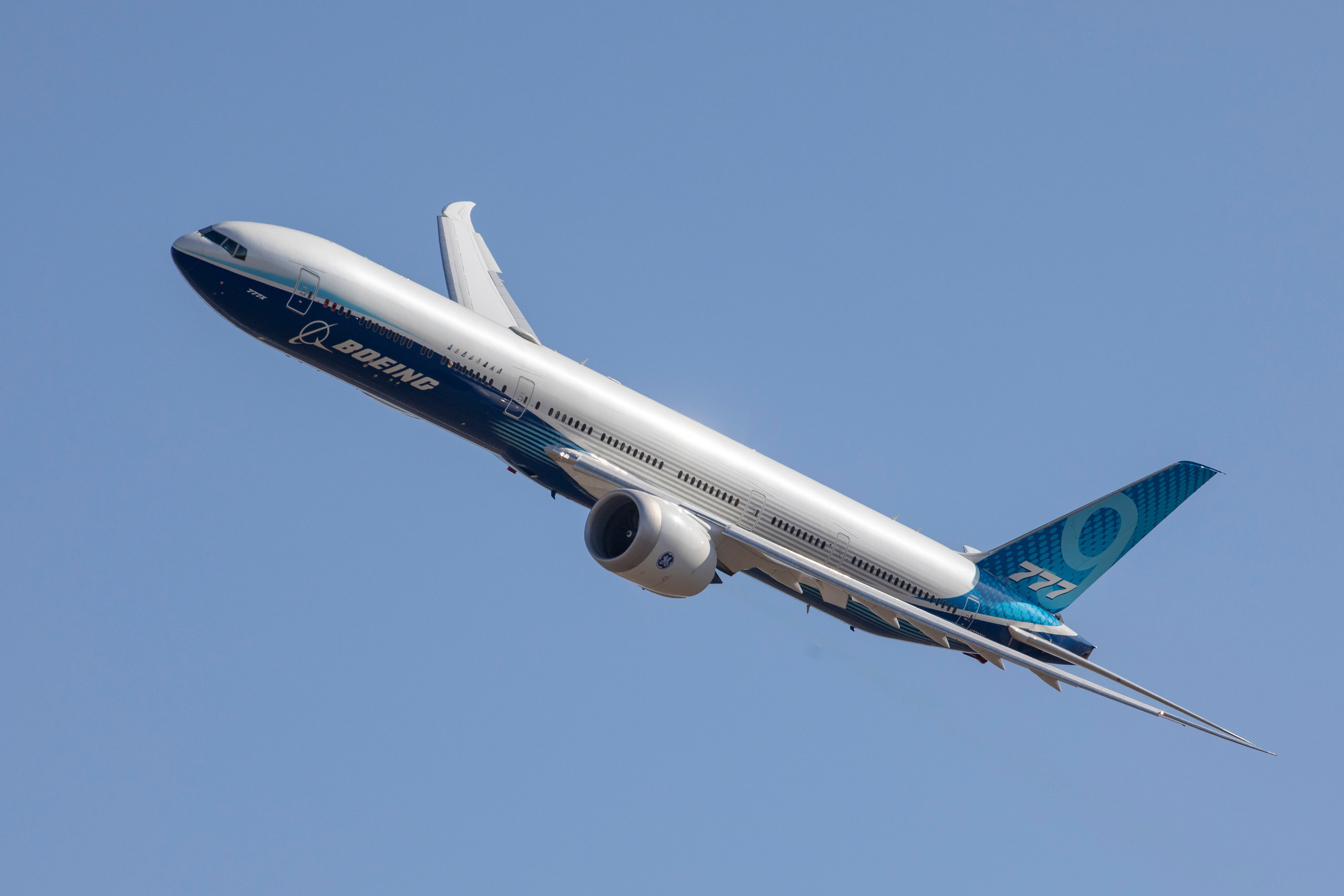
The head of the Federal Aviation Administration emphasized that Boeing must enhance its safety culture and resolve quality issues before receiving approval to increase 737 MAX production. The FAA's decision follows a mid-air emergency involving an Alaska Airlines jet.
FAA Administrator's Perspective
According to Reuters, FAA Administrator Mike Whitaker stated that discussions with Boeing regarding the production hike have not commenced. The agency will only greenlight a production increase once Boeing demonstrates a secure quality system.
Airbus Concerns on Boeing's Technical Problems
Inc. reported that the Airbus CEO expressed displeasure over Boeing's technical challenges, highlighting the negative impact on the aerospace industry's reputation. Guillaume Faury stressed the industry's focus on quality and safety.
Boeing faced setbacks with a door plug blowout on a 737 MAX 9 and issues with flight deck switches on 787 Dreamliners. These incidents raised safety concerns and highlighted the company's operational challenges.
French Finance Minister Bruno Le Maire compared Airbus and Boeing, favoring Airbus' current standing. He preferred Airbus' situation over Boeing's, indicating a more favorable position.
Airbus CEO's Industry Outlook
Guillaume Faury underscored the significance of quality and safety in the aircraft manufacturing industry. He highlighted the industry's commitment to prioritizing safety measures and product quality.
He highlighted the aviation industry's focus on safety and quality, shedding light on Boeing's challenges and the industry's response to incidents impacting safety and reputation.
The intensification of scrutiny on Boeing's manufacturing processes and the corresponding public and governmental response underscore a changing tide in the aerospace industry. Safety and quality have always been paramount, but the recent series of incidents involving Boeing aircraft has magnified the importance of transparency and accountability from manufacturers.
The industry once predominantly focused on innovation and competition, now finds itself grappling with the dual challenges of maintaining public trust while pushing the boundaries of aviation technology. This paradigm shift calls for a collaborative effort among stakeholders to elevate safety standards without stifling technological advancement.
Photo: PR Newswire