


 Fed Unveils Stablecoin Rules Under GENIUS Act
  Central Banks Could Buy 20,000 Tonnes of Gold: BofA
  Trump Demands Powell Resign Over Fed Renovation Cost Overruns
  RBA Set for September Rate Hike as Inflation Stays High
  Oil Prices Steady as Middle East Crude Flows Recover
  BOJ Signals Faster Rate Hikes as Inflation Risks Grow
  Asian Stocks Rise as Chipmakers Rally on Micron Earnings
  RBA Hikes Interest Rate to 4.60% as Inflation Risks Rise
  Fed’s Williams Signals One More Rate Hike Before Year-End
  Gold Rebounds as Oil Falls and Treasury Rout Eases
  Yen Sinks as BOJ Rate Hike Fails to Impress Markets
  US Treasury Bond Buybacks Fall Short Despite Expanded $6 Billion Cap


 Add as a preferred source on Google
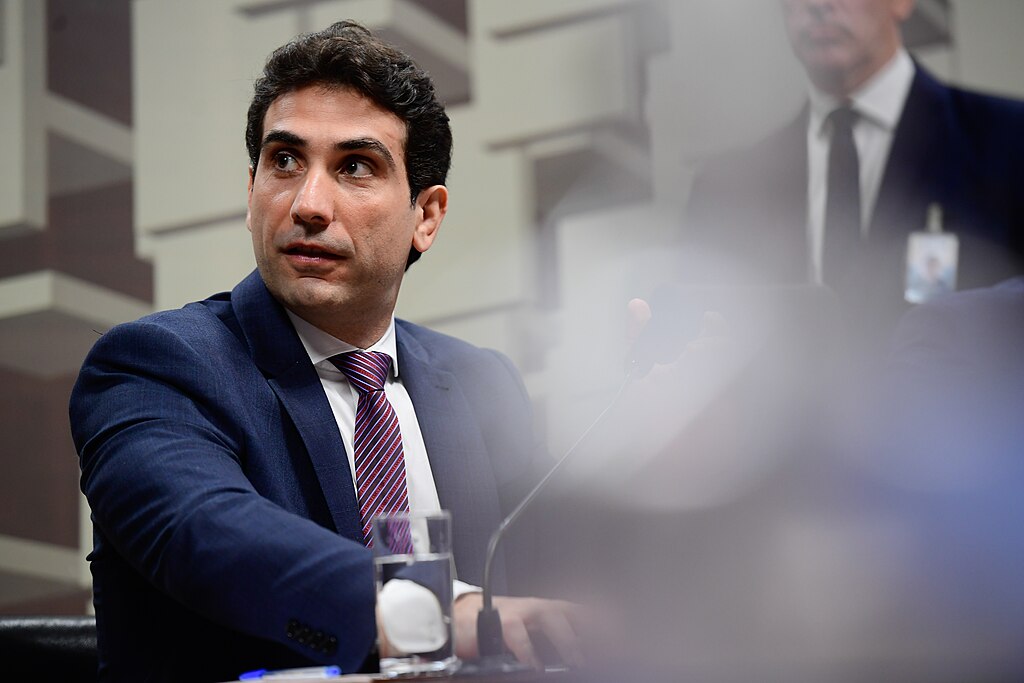
Brazil’s central bank governor Gabriel Galipolo signaled Monday that the country’s monetary tightening cycle is not yet over, emphasizing the importance of policy flexibility as new economic data emerges. Speaking at an event in São Paulo, Galipolo said, “We are still discussing the hiking cycle. Flexibility means we are open.”
The central bank is set to hold its next policy meeting later this month, following a 50 basis point interest rate increase in May that raised the benchmark Selic rate to 14.75%—its highest in nearly 20 years. While the bank dropped forward guidance and removed references to further tightening in its last statement, Galipolo made clear that policymakers are closely evaluating how long rates should remain at contractionary levels to ensure economic stability.
Recent economic indicators have surprised to the upside, with Q1 growth data showing strong performance from Latin America’s largest economy. Galipolo noted this resilience, stressing the need for more data to confirm a consistent trend before making definitive policy shifts.
Addressing a proposed increase in Brazil’s financial transaction tax, Galipolo urged caution, stating the central bank would analyze the final version of the measure carefully. He rejected using the tax as a monetary tool, saying it should not serve to boost fiscal revenue or substitute interest rate policy.
Market participants have speculated that higher taxation on corporate credit may align with the central bank’s aim of cooling economic activity, potentially reducing the need for further rate hikes. However, Galipolo reaffirmed the bank’s commitment to data-driven decision-making.
The evolving stance reflects a balancing act between maintaining inflation control and adapting to Brazil’s unexpectedly robust economic momentum.







