


 RBA Hikes Interest Rate to 4.60% as Inflation Risks Rise
  U.S. Stock Futures Fall as Iran, Oil and AI Risks Rattle Markets
  XRP Price Targets $1.70 as Bullish Momentum Builds
  RBA Says ASX Still Falls Short on Governance and Risk Controls
  Trump Eyes $54 Billion South Korean Investment in Alaska LNG
  ECB May Stop Rate Hikes After December, Capital Economics Says
  BOJ Set to Raise Rates to 1.25% as Inflation Risks Build
  Central Banks Could Buy 20,000 Tonnes of Gold: BofA
  Gold Prices Slip as High Treasury Yields Weigh on Bullion
  Japan Warns Markets Over Yen Weakness
  Asian Currencies Weaken as Dollar, Oil Prices Rise
  South Korea Exports Set for 16th Monthly Gain on AI Chip Demand
  US Stocks Slip as Treasury Yields Ease, AI Trade Rebounds


 Add as a preferred source on Google
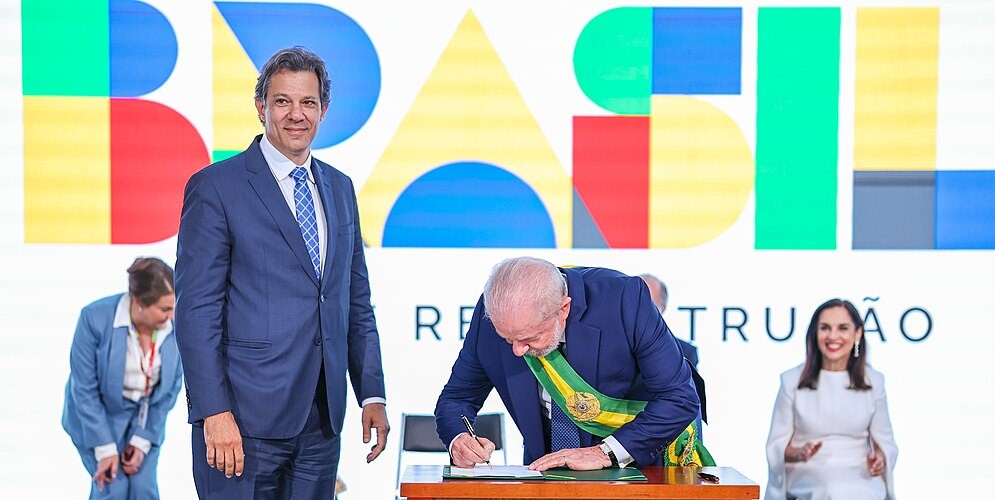
Brazilian Finance Minister Fernando Haddad announced that any discussions around increasing public spending are currently suspended as the government prioritizes fiscal sustainability. In an interview with Record TV, published Tuesday, Haddad emphasized that no new expenditures will be approved unless deemed absolutely essential.
His remarks come amid growing concern over Brazil’s monetary policy. Haddad criticized the central bank’s decision to raise the benchmark interest rate by 25 basis points to 15%—its highest level since 2006—calling the rate “very, very restrictive” and out of step with the country’s inflation outlook. He argued that such aggressive rate hikes are unnecessary, especially as inflationary pressures, particularly in food prices, are already beginning to ease.
The central bank has signaled an extended pause in further rate changes, raising concerns among government officials who believe the current rate could stifle economic growth. Haddad’s statements reflect the administration’s attempt to balance fiscal discipline with pro-growth policies amid economic uncertainty.
Brazil’s focus on maintaining fiscal responsibility while addressing high borrowing costs comes at a critical moment for Latin America’s largest economy. Investors and analysts are closely monitoring the government’s next steps as it navigates inflation control and public debt management without derailing recovery momentum.
The full interview with Minister Haddad is scheduled to air on Record News later this evening.







