If you’re in the UK, how do you understand the government’s plan to deal with energy prices?
Has it:
- Capped energy bills for all households at £2,500 for the next two years;
- Capped the price of energy so a typical household will pay £2,500 per year for the next two years;
- Required energy providers to offer free gas and electricity when the temperature falls below 4 degrees, up to £2,500 per year; or,
- Increased the personal income tax allowance for the next two years by £2,500 to help offset energy costs.
If you answered 2) you are of course correct. Yet when colleagues and I recently presented those four options to 617 people, 32% of them got it wrong. Of those who gave an incorrect answer, more than 90% chose the first option believing there will be a strict price cap of £2,500 this year.
If you got it wrong, perhaps you were misled – from the very top. Trying to distract from the disastrous rollout of the “mini-budget”, the then prime minister Liz Truss repeatedly tried to focus on an element of government fiscal policy likely to be more popular with voters – her plan to address skyrocketing energy costs.
On BBC radio, she claimed her government was “making sure nobody is paying fuel bills of more than £2,500”. Labelling such claims as false, fact-checking charity Full Fact asked Truss to publicly correct her statements, fearful that people would believe their bills were capped and that they could use as much energy as they liked.
Voters generally do not pay much attention to the minutiae of policy announcements but the costs of heating one’s home, coupled with Truss’ continued reference to the policy, may have led to widespread misperceptions.
People who get the policy wrong think they will pay less
That’s why we carried out our survey, fielded between October 18 and 20. It forms part of a wider project, funded by the Economic and Social Research Council, in which colleagues and I hope to find out how people’s trust in the government and its policies affects their intention to support and comply with policies during the post COVID-19 recovery phase.
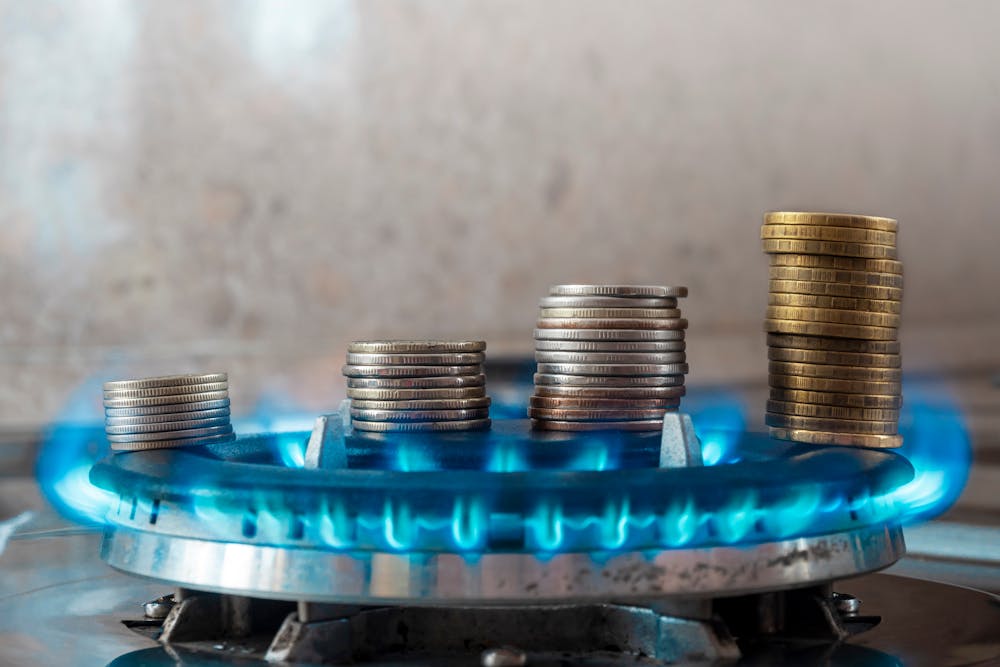
Energy prices increased in late 2021 as the world recovered from the pandemic, then increased sharply when Russia invaded Ukraine in early 2022. Sergey Neanderthalec / shutterstock
Having established a good chunk of the public thinks there is a hard £2,500 cap, we wanted to see if there was any evidence those individuals have different expectations in terms of their energy bills.
To determine this, we asked people two additional questions: i) their estimated current monthly energy bill; and ii) what they thought their fuel bill would be at the same time next year. Of those who were able to give us estimates, the median respondent believed they would go from paying slightly more than £100 per month to over £150 per month – an increase of £56.
But this differs quite a bit depending on how people understand the energy price cap. The median respondent who correctly understands the policy indicated their bills will increase by £65 per month. Those who got the policy wrong believe that their monthly bills will increase by just £44. Across a whole year, that’s a difference of £252 (and bear in mind that at the time people were asked – October 2022 – bills had already increased hugely over the previous year).
To see how partisan groups might differ in their responses, we examined responses by how participants said they voted in the 2019 general election. More Conservative voters got the policy wrong (34%) than Labour (26%) or Liberal Democrat (24%) voters.
Our data does skew towards slightly older people (the average age of participant being 51 years old) but neither age, trust in the traditional media or trust in the social media is strongly related to getting the answers right. Our sample is not big enough to state the party-political findings with full confidence, but they do highlight one potential concern for a Conservative government.
Particularly now that the new chancellor has limited the policy to six months, the party’s core supporters might be most surprised when they discover their energy bills do not have a hard cap. When politicians make misleading statements (whether intentionally or not), those words can have financial and political impacts.