An investor group, initially rebuffed in their December offer to acquire the beleaguered Macy's department store chain, has returned with an enhanced proposal. Led by Arkhouse Management and Brigade Capital Management, the group increased their bid to $24 per share, up from a previous offer of $21 per share.
As a result, the proposed takeover is now valued at approximately $6.6 billion, a nearly $1 billion increase from their $5.8 billion bid.
Market Reaction and Analyst Insights
Japan Today noted that this revised offer marks a 33.3% premium above Macy's closing share price last Friday. Accompanying their bid, the investor group disclosed additional details about the transaction, including financial contributions from Fortress Investment and One Investment Management to bolster the offer.
The initial takeover proposal by Arkhouse and Brigade was firmly rejected by Macy's in January amidst a broader strategy by the iconic retailer to streamline its operations and focus on premium brands.
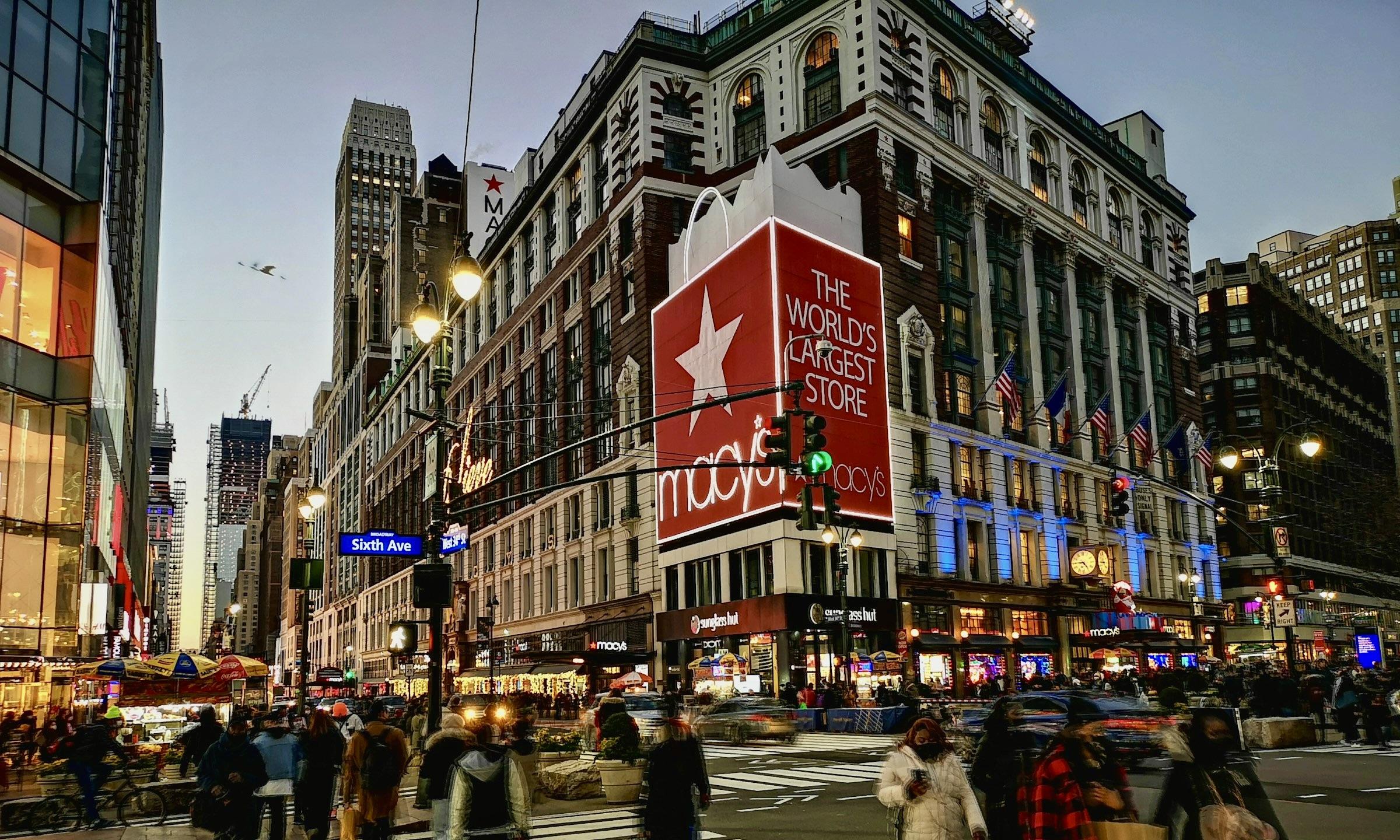
Macy's, famed for its annual Thanksgiving Day parade in New York and a stalwart of American retail since its founding 166 years ago, has recently announced a plan to close nearly one-third of its stores by 2026. This move comes with a downsizing effort to cut its workforce by 3.5%.
Investors, however, express growing frustration with what they perceive as stalling tactics by Macy's Board of Directors, underscoring their belief in the brand's potential if transitioned to private ownership.
Implications for Macy's Future Strategy
According to Reuters, despite Macy's unveiling of a restructuring plan intended to inspire market confidence, the prospective buyers argue that the company's recent financial performance has bolstered their conviction in its long-term viability under a private framework. The retailer's financial health appears challenged, with its latest year-end report showing a 5.5% drop in sales to $23.1 billion and net profits plummeting by 91% to $105 million.
These developments underscore department stores' persistent headwinds, exacerbated by shifting consumer behaviors and the impacts of the COVID-19 pandemic, which continue to pressure retailers and the broader mall ecosystem in the United States. Macy's employed approximately 94,500 people and managed 722 stores at the end of 2022 but did not immediately comment on the renewed offer.
Photo: Vladan Raznatovic/Unsplash