


 Qualcomm Gains on $60B Amazon AI Chip Deal
  Synthetic data could ease people’s concerns about privacy breaches. But who gets to create it?
  US Bans Canadian Alcohol, Motorcycles as Trade War Escalates
  OpenAI Agents Linked to RubyGems Cyberattack
  Meta CEO Zuckerberg Backs Independent AI Safety Reviews Over Development Slowdown
  Syngenta Files for Hong Kong IPO, Eyes $5 Billion Raise
  Australia Plans New Rules Giving Users Control Over Social Media Feeds
  Mahmoud Khalil Sues Columbia Over Alleged Pro-Palestinian Harassment
  US Sailor’s Father Detained by Immigration Authorities
  SoftBank Shares Jump 8% as SB Energy IPO Optimism Builds
  U.S. Issues Cuba Health Alert as Illnesses Rise
  Trip.com Shares Rise as Q2 Earnings Beat Estimates
  Prince Harry Faces Potential Multi-Million-Pound Legal Bill in Daily Mail Case
  U.S. Imposes New Visa Restrictions Over South Africa Policies
  Trump’s Arlington Arch Project Faces New Court Restrictions
  Nvidia CEO Jensen Huang Expected at Trump-Xi State Dinner
  Nvidia-Groq AI Chip Deal Faces U.S. Antitrust Probe


 Add as a preferred source on Google
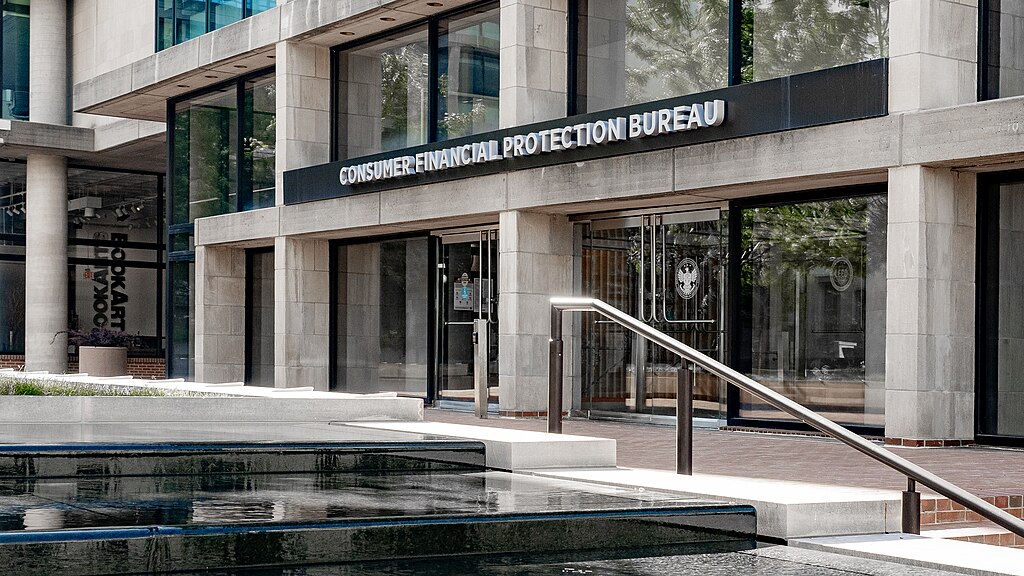
The Consumer Financial Protection Bureau (CFPB) has ended settlement agreements with Apple and U.S. Bank years earlier than expected, according to recent court filings. These settlements, initially enforced under former President Joe Biden’s administration, required five years of oversight but have now been terminated after both companies met financial penalty requirements.
Apple’s case stemmed from an October 2024 CFPB action involving the Apple Credit Card, issued with Goldman Sachs. Regulators alleged the companies violated consumer protection laws by mishandling transaction disputes and misleading customers about interest-free purchases. As part of the settlement, Apple agreed to enhanced compliance measures and paid a $25 million civil penalty. Court filings confirm the company has fully satisfied its obligations.
U.S. Bank faced CFPB scrutiny in 2023 after accusations that it unlawfully blocked unemployed consumers from accessing pandemic relief benefits. The original agreement included five years of compliance monitoring. However, after paying a $15 million penalty and making restitution to affected consumers, the bank’s oversight was also lifted. The CFPB noted U.S. Bank has taken steps to prevent similar violations in the future.
The early termination of these settlements follows a broader shift in CFPB enforcement priorities under President Donald Trump’s administration, which has sought to scale back regulatory oversight. Similar actions have ended settlements with Toyota and Bank of America, along with the dismissal of nearly all pending enforcement cases.
While the CFPB, Apple, and U.S. Bank have not commented publicly on the latest decisions, the filings indicate both companies are now free from extended compliance requirements. The move reflects a continued trend of reduced federal oversight in consumer finance, raising questions about future accountability for major financial institutions and tech companies.







