


 Eli Lilly’s Inluriyo Gains FDA Approval for Advanced Breast Cancer Treatment
  HUTCHMED, AstraZeneca Seek FDA Approval for Lung Cancer Combo
  Oil Prices Fall as Middle East Exports Recover, G7 Eases Supply Fears
  NASA's Artemis II Crew Arrives in Florida for Historic Moon Mission
  FDA Pilot Program Eases Rules for Nicotine Pouch Makers
  Novo Nordisk Eyes Turnaround as Oral Wegovy Challenges Eli Lilly in Weight-Loss Drug Race
  NASA Artemis II: First Crewed Moon Mission Since Apollo Takes Four Astronauts on 10-Day Lunar Journey
  Hims & Hers Shares Fall as GLP-1 Costs Widen Q2 Loss
  Securitize, LG CNS Partner on South Korea Tokenization
  Crypto Market Selloff Wipes Out $100B as Bitcoin Falls Below $83K
  Founders Fund Leads $5M Anvil Token Purchase
  Hanmi Pharm Soars 30% on $2.3 Billion Genentech Obesity Drug Deal
  Litecoin Marks 15 Years as Grayscale Backs LTC ETF Push
  SpaceX Pivots Toward Moon City as Musk Reframes Long-Term Space Vision
  Gold Prices Slip as Strong Dollar and High Treasury Yields Weigh


 Add as a preferred source on Google
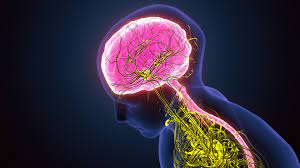
California start-up Bionaut Labs will conduct its first clinical trials on sending miniature robots deep inside the human skull to treat brain disorders
The tiny injectable robots can be guided through the brain using magnets.
Micro-robot technology "that used to be science fantasy in the 1950s and 1960s" is now "scientific fact," according to Michael Shpigelmacher, Bionaut Labs' founder and CEO.
Working with Germany's famed Max Planck research institutes, Bionaut Labs chose magnetic energy over optical or ultrasonic means to propel the robots because it is non-harmful to the human body.
Magnetic coils implanted outside the patient's skull are connected to a computer that can remotely and delicately navigate the micro-robot into the damaged area of the brain before withdrawing it the same way.
Unlike an MRI, the entire system is portable and utilizes 10 to 100 times less electricity.
The robot, which is a metal cylinder just a few millimeters long and shaped like a small bullet, follows a pre-programmed trajectory through a gel-filled container that mimics the density of the human brain in a simulation observed by AFP.
When the robot gets close enough to a pouch filled with blue liquid, it accelerates like a rocket and pierces the sack with its pointed end, allowing liquid to gush out.
When clinical trials begin in two years, the inventors want to use the robot to penetrate fluid-filled cysts in the brain.
The method could be used to cure Dandy-Walker Syndrome, a rare brain abnormality that affects youngsters if it is successful.
Cysts the size of a golf ball can form in congenital illness sufferers, swelling and increased pressure on the brain, initiating a slew of serious neurological problems.
Bionaut Labs has already tested its robots on large animals like lambs and pigs, and according to Shpigelmacher, "the evidence suggests that the technology is safe for us."
If approved, the robots could provide significant benefits over currently available therapies for brain illnesses.
Last year, the US Food and Drug Administration (FDA) awarded Bionaut Labs clearance to begin clinical studies for Dandy-Walker Syndrome and malignant gliomas, which are cancerous brain tumors that are frequently considered inoperable.
The micro-robots will be used to inject anti-cancer medications directly into brain tumors in a "surgical strike" in cancerous brain tumors.







