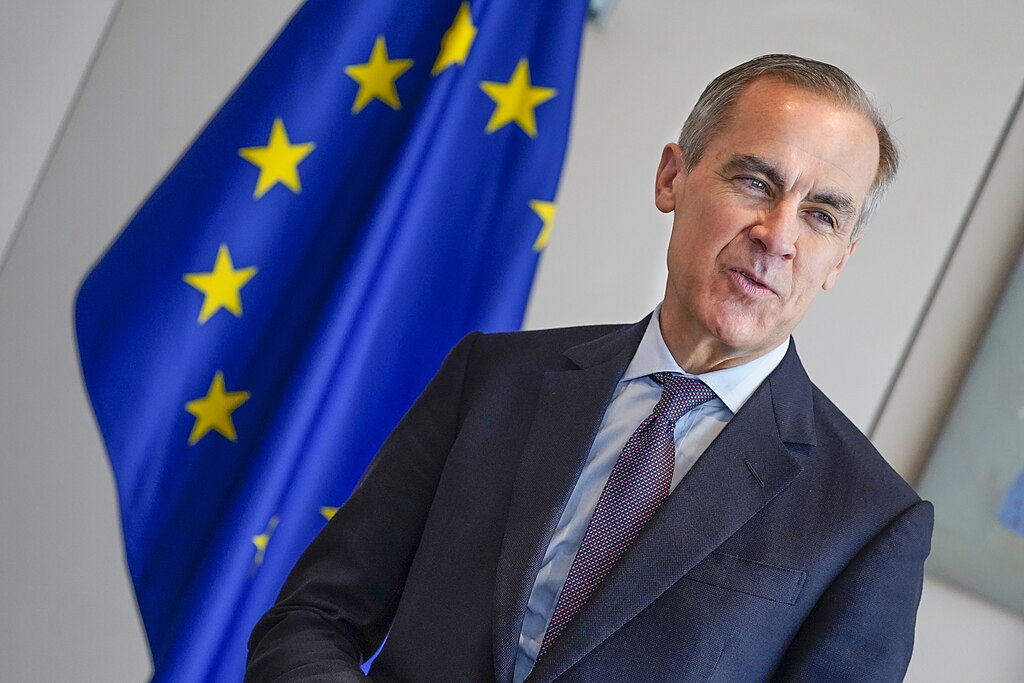
Canadian Prime Minister Mark Carney on Thursday emphasized the importance of respecting Canada’s sovereignty after reports emerged suggesting that U.S. officials had met with individuals advocating for Alberta’s independence. Speaking at a press conference, Carney sought to calm concerns surrounding alleged U.S. engagement with separatist movements in Canada, particularly in Alberta, the country’s largest energy-producing province.
Carney stated clearly that U.S. President Donald Trump has never raised the issue of Alberta or Quebec separatism in any of their discussions. According to the prime minister, conversations with the U.S. president have not included any references to internal Canadian political movements or the potential fragmentation of the country. His remarks were intended to counter speculation that the United States might be taking an interest in separatist sentiment within Canada’s energy-rich western region.
The comments come amid growing attention on Alberta separatism, a long-standing but minority political movement that periodically gains traction during times of economic or political tension. Alberta plays a critical role in Canada’s oil and gas sector, making any discussion of independence particularly sensitive for national unity, energy security, and international relations. Reports suggesting that U.S. officials may have met with Alberta separatists have sparked debate about foreign influence and diplomatic boundaries.
Carney stressed that Canada expects its allies, including the United States, to fully respect Canadian sovereignty and democratic processes. He underlined that internal political matters, such as regional autonomy or independence debates, are issues for Canadians alone to address. The prime minister also reiterated that there is no indication of official U.S. support for separatism in Alberta or elsewhere in Canada.
While concerns about foreign involvement have drawn public attention, Carney’s statements aimed to reassure Canadians that bilateral relations with the United States remain focused on cooperation, not interference. By reaffirming that President Trump has never broached the topic of separatism, Carney sought to reduce tensions and reinforce Canada’s position as a united and sovereign nation.