


 Canton Network Expands Wall Street Reach With Ripple Integration
  S&P 500 Rally Masks Losses for Over 40% of Stocks in 2026
  Albertsons Seeks $9.3 Billion From Kroger Over Failed Merger
  CVS Pharmacy Agrees to $315 Million Opioid Settlement
  US Dollar Index Falls as Fed Signals Caution, Indian Rupee Surges
  Bank of America Predicts Yen Rebound as USD/JPY Faces Risks
  IMF, World Bank Meetings Face Global Economic Risks Amid Iran War
  Philippines Current Account Deficit Seen at $19.1 Billion in 2026
  Arm Shares Fall Over 3% After Qualcomm Wins License Dispute
  Asian Stocks Plunge as AI Chip Selloff Hits South Korea and Japan
  US Dollar Near 18-Month High Ahead of Inflation Data
  Interactive Brokers Launches Ethereum Staking With Zerohash
  Most Americans Oppose Election Betting on Prediction Markets, Poll Finds
  South Korea Blocks 27 Crypto Exchange Websites in Regulatory Crackdown
  Ripple Mints 19.6 Million RLUSD Amid Banking Expansion
  MNX Crypto Exchange Launches Futures for OpenAI, Anthropic Valuations
  Oil Prices Mixed as Russia Diesel Deal and Houthi Attacks Raise Supply Concerns


 Add as a preferred source on Google
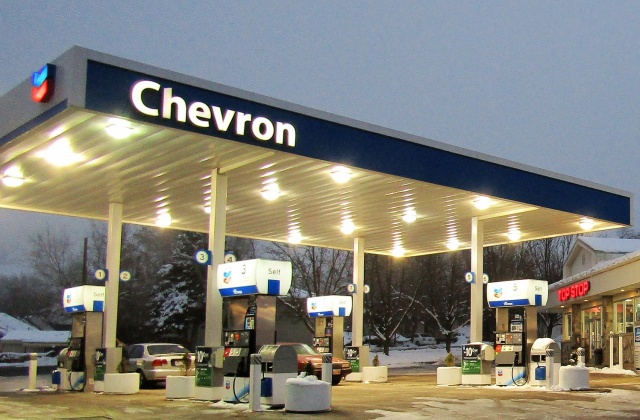
Chevron Corp and Exxon Mobil Corp chief executives reportedly discussed a possible merger last year. They are considering putting together their oil companies and work to get back what they have lost due to the COVID-19 pandemic.
The merger talks between Chevron and Exxon
Although the need for oil supply continued even at the time when the pandemic is hitting many businesses badly, the two oil giants were not spared and suffered from big losses. With the devastating outcomes and dropping oil prices, Exxon and Chevron talked about incorporation.
It was said that it appears that two companies are “testing the waters,” and if this will be a reality, it will be one of the biggest corporate mergers ever. In any case, as per The Wall Street Journal, Exxon Mobil CEO Darren Woods and Chevron chief Michael Wirth spoke about the potential merger when the pandemic crisis started to negatively affect the oil prices.
Around that time, the shrinking demand for oil and gas placed both Chevron and Exxon in massive financial strain. This was the main reason why the executives started to consider a merger and check if it can be done.
But then again, the report noted that Woods and Mirth’s meeting was only preliminary, and the talks about the merger is not an ongoing activity between Chevron and Exxon.
However, if this will push through, such a deal will surely be one of the most remarkable in this era since the combined market value of the firms could go over $350 billion, with Exxon making up the $190 while Chevron’s is $164 billion.
Benefit from the merger
At any rate, if Chevron and Exxon will merge, there are many benefits from the deal. Together, they can produce more oil so they can supply faster than their competitors. They can also collectively work on issues that oil companies are not immune to.
Lastly, Bloomberg reported that an industry analyst from Sankey Research, Paul Sankey, stated that the reason why the Exxon and Chevron merger makes sense is that both sides can benefit greatly from the deal.
“Chevron for ExxonMobil is a great idea,” he said. “It would be a truly bottom of the cycle, counter-cyclical move of the kind the equity market is more-or-less demanding.”







