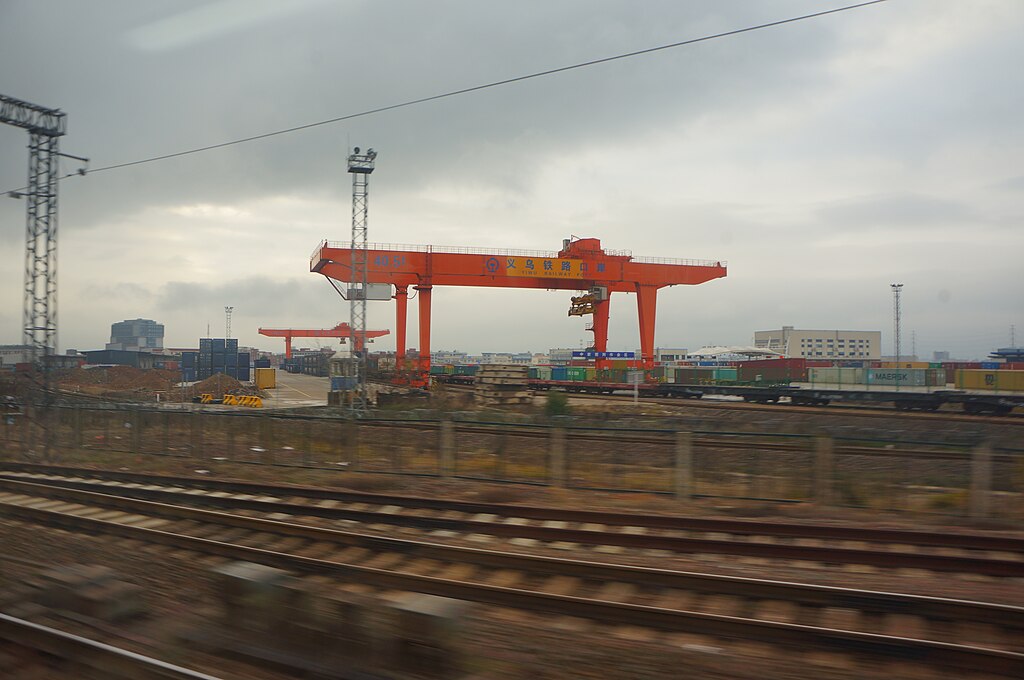
China has officially started collecting special port fees from ships that are U.S.-owned, operated, built, or flagged, marking a new escalation in the ongoing U.S.-China trade standoff. According to China’s state broadcaster CCTV, these fees took effect on Tuesday and will not apply to Chinese-built vessels, which are explicitly exempt under the new rules.
The announcement detailed specific exemptions, including ships built in China, empty ships entering Chinese shipyards for repairs, and vessels deemed eligible for exemption by authorities. The move comes as a direct countermeasure to U.S. port fees targeting China-linked vessels, introduced around the same time by the U.S. government.
China’s Ministry of Transport stated that the special port charges will be collected at the first port of entry on a single voyage or for up to five voyages within a year. The annual billing cycle will start on April 17. Failure to pay the required fees, CCTV reported, will result in the suspension of import and export procedures for the affected ships — a move that could significantly disrupt U.S.-China maritime logistics.
In response to China’s actions, U.S. President Donald Trump announced that Washington would raise tariffs on Chinese imports to 100% starting November 1. He also introduced new export controls on critical software technologies, retaliating against Beijing’s earlier decision to tighten export restrictions on rare earth minerals vital for global electronics and defense industries.
The reciprocal measures between the two global powers underscore deepening economic and geopolitical tensions, signaling that both sides are prepared to weaponize trade and logistics policies in their growing rivalry over technology, resources, and influence in global commerce.