


 SEC Seeks ISS Client Voting Records in Proxy Adviser Probe
  Texas Republicans Turn Against AI Data Centers as Election Backlash Grows
  Bessent Presses Japan on Fiscal Policy as Yen Struggles
  Trump Hopes Iran War Nears End as Yemen Fighting Escalates
  US Immigration Arrests Surge as Deportations Lag Behind
  Kim Yo Jong Warns of Stronger Response to US-Led Military Drills
  Trump Says US Army Base in Poland Talks Make Progress
  US Bans Canadian Alcohol, Motorcycles as Trade War Escalates
  US Delegation Visits Myanmar, Secures Release of American Adam Castillo
  US Officials Meet Houthis in Oman Amid Yemen Offensive
  Trump Grants Clemency to Jay-Z Associate Emory Jones
  France Targets Shein, Temu With Fast-Fashion Fees
  Saudi Arabia Shuts East-West Oil Pipeline After Drone Attack
  Paris Talks Focus on Lebanon Army Needs as UNIFIL Exit Looms
  Houthis Seize Bab el-Mandeb as Military Power Grows
  Pentagon Restarts Testosterone Testing for US Troops


 Add as a preferred source on Google
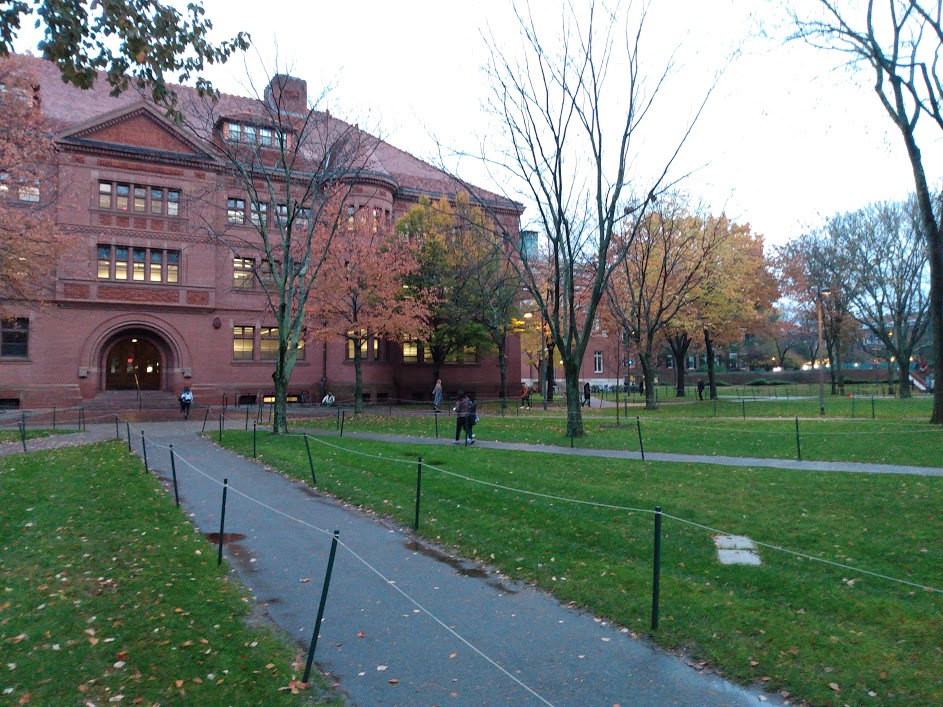
China has vowed to protect the legal rights of its overseas students and scholars following the Trump administration’s move to block Harvard University from enrolling international students. The decision has sparked diplomatic tension, with Beijing warning that such actions damage the United States’ global image and credibility.
During a regular press conference on Friday, Chinese Foreign Ministry spokesperson Mao Ning emphasized that the U.S. ban not only undermines educational exchange but also harms bilateral cooperation in academia. She noted that educational ties between China and the U.S. have long benefited both nations and should not be politicized.
The restriction on Harvard, one of America’s top universities, is part of a broader clampdown on foreign student admissions reportedly aimed at addressing national security concerns. However, critics argue that the move is discriminatory and jeopardizes the global standing of U.S. higher education institutions.
Mao stated that China will continue to support its citizens studying abroad and ensure their rights are upheld. She also urged the U.S. to correct its policies and return to a more open and inclusive approach toward international collaboration in education.
The ban comes amid escalating tensions between Washington and Beijing across various sectors, including trade, technology, and diplomacy. Observers say this latest action could deter future Chinese enrollment at U.S. universities, which have historically relied on international students for both cultural diversity and financial stability.
As the global academic landscape becomes increasingly competitive, experts warn that limiting access to U.S. education may have long-term implications for American influence and innovation. China’s strong response signals its growing intent to protect its global talent and assert its voice in international affairs.







