


 New York Declares Measles Disaster Emergency as Cases Surge
  Trump Plans Diesel Tax Relief as Fuel Prices Hit Record Highs
  North Korea Slams US Taiwan Arms Sales, Reaffirms Russia Support
  Mike Rogers Calls for End to US-Canada Tariff War
  Australia Consumer Confidence Plunges as RBA Rate Hike Hits Households
  S&P 500 Hits Record High as AI Rally Lifts Wall Street
  Deere, CNH and AGCO Stocks Fall as FTC Launches Farm Equipment Probe
  Lula Weighs Alckmin as Finance Minister to Boost Fiscal Credibility
  France to Release 10 Million Barrels of Diesel to Ease Fuel Prices
  Trump Backs Florida Golf Course as Presidential Retreat
  US-Led Coalition Targets Global Factory Overcapacity
  Flavio Bolsonaro Surges as Family Scores Brazil Election Comeback
  Crypto Rallies as CLARITY Act Failure Opens Door to Faster SEC Rules
  Samsung, SK Hynix Shares Fall Ahead of Q3 Earnings
  Asian Stocks Rise as Nasdaq Record Offsets Bond Yield Pressure
  TikTok Accused of Testing Fake Safety Tools on Users


 Add as a preferred source on Google
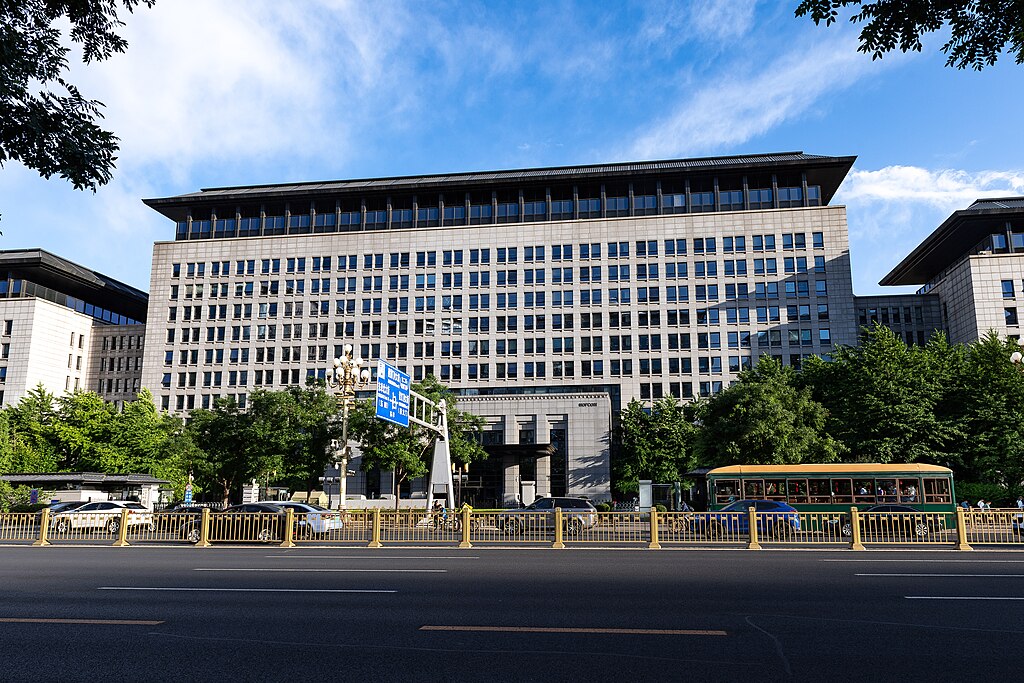
China has expanded its export control measures by adding 20 Japanese organizations and companies to its restricted export list, marking another escalation in the ongoing diplomatic and trade tensions between Beijing and Tokyo.
According to China's Ministry of Commerce, the newly added entities will now face stricter export approval requirements for purchases involving dual-use goods and technologies that could have both civilian and military applications. Chinese exporters seeking to supply these organizations must first obtain government approval and provide assurances that the exported products will not be used for any activity that could strengthen Japan's military capabilities.
The latest list includes subsidiaries of major Japanese corporations such as Mitsubishi, Fujitsu, Komatsu, and Mitsui E&S Co. Ltd. China also added the Institute for Defence Studies, along with technology firms Terra Drone Corp, ACSL Ltd, and OKI Electric Industry.
Beijing said the move is aimed at preventing sensitive products and technologies from being used for military purposes, reinforcing its broader export control framework for strategic goods.
The restrictions come as relations between China and Japan remain strained following a diplomatic dispute that intensified in late 2025. The disagreement was triggered by comments from Japanese Prime Minister Sanae Takaichi regarding potential military intervention in Taiwan, remarks that Beijing strongly condemned.
Since then, China has introduced a series of retaliatory measures targeting Japan. These include travel advisories for Chinese citizens, a suspension of Japanese seafood imports, tighter restrictions on cultural exchanges, and earlier export control measures affecting key industries.
The addition of 20 more Japanese entities highlights Beijing's continued use of trade and export regulations as part of its broader response to geopolitical tensions. The latest restrictions could create additional compliance requirements for exporters while adding uncertainty for Japanese companies that rely on Chinese suppliers for critical components and industrial materials.
As diplomatic friction between the two Asian economies persists, businesses operating across both markets are expected to closely monitor further policy changes that could affect cross-border trade, technology cooperation, and supply chain operations.







