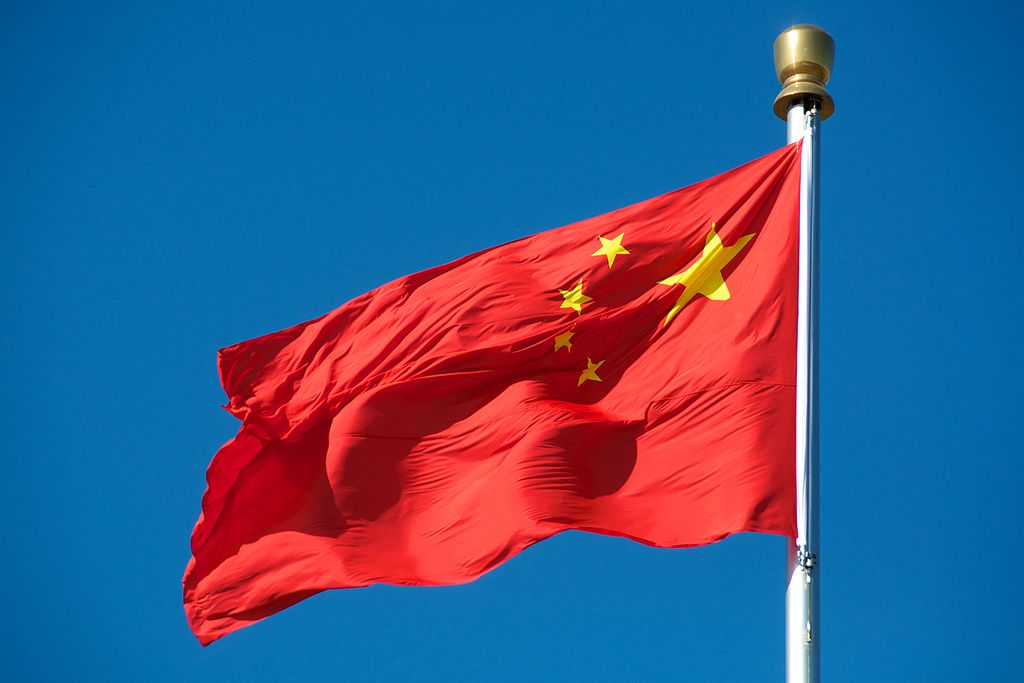
China announced new tariffs on over $2.6 billion worth of Canadian agricultural and food products, retaliating against Ottawa’s import duties on Chinese EVs, steel, and aluminum. The tariffs, effective March 20, mirror the 100% and 25% levies Canada imposed last October.
China’s move targets key Canadian exports, imposing a 100% tariff on $1 billion worth of rapeseed oil, oil cakes, and peas, while aquatic products and pork face a 25% duty. Notably, canola—a major Canadian export—was left out, signaling a possible opening for trade talks.
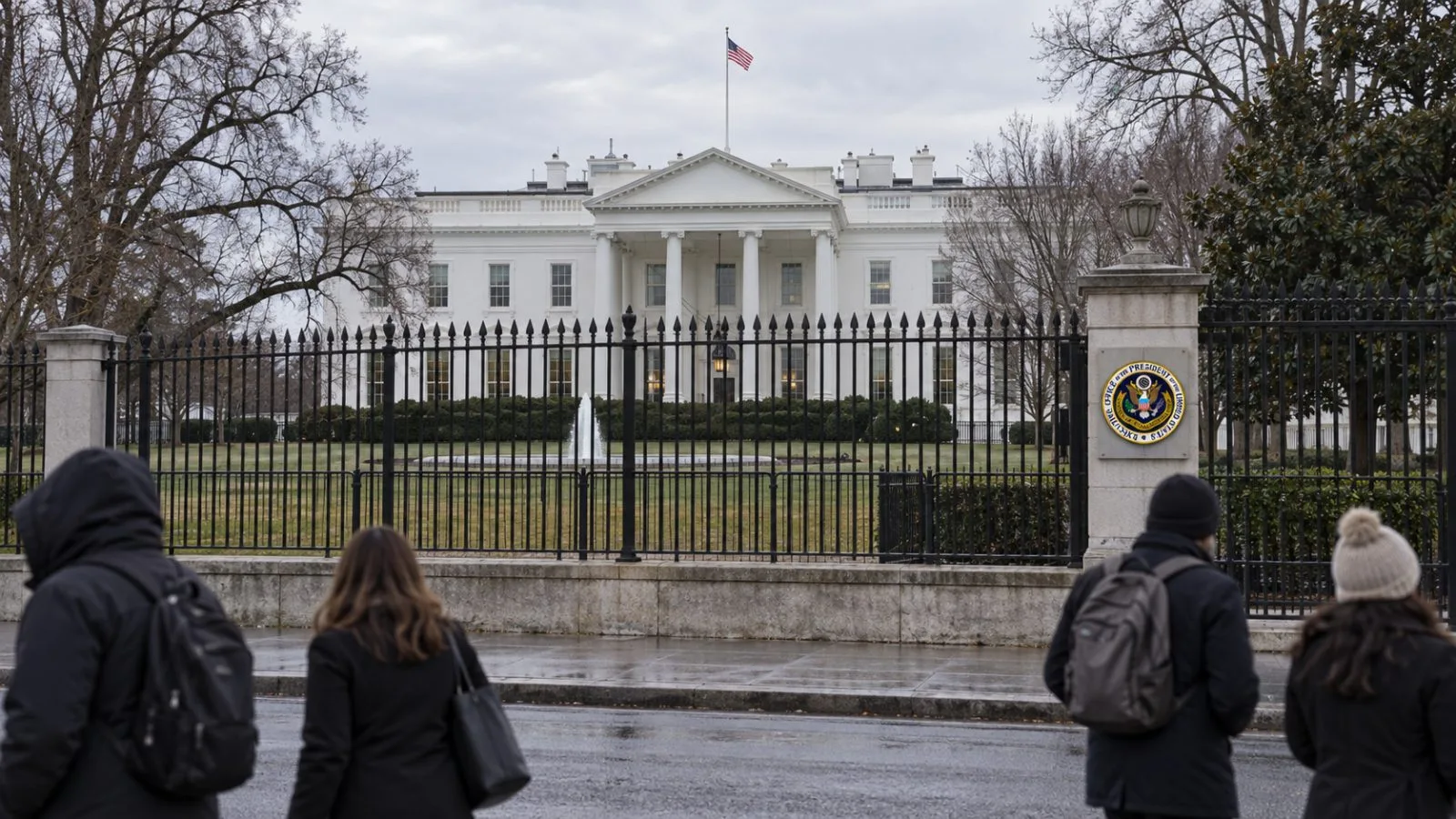
The Chinese commerce ministry criticized Canada’s measures as discriminatory and a violation of WTO rules. Analysts suggest the timing is strategic, warning Canada of the risks of aligning too closely with U.S. trade policies. Washington has hinted at easing its 25% tariffs on Canadian and Mexican imports if they match the 20% duty imposed on Chinese goods due to fentanyl concerns.
Prime Minister Justin Trudeau justified Ottawa’s tariffs as a response to China’s state-driven overcapacity, following similar actions by the U.S. and EU. In response, China launched an anti-dumping investigation into Canadian canola, a trade worth $3.7 billion in 2023.
China, Canada’s second-largest trading partner, imported $47 billion in Canadian goods in 2024. Analysts suggest China may be delaying harsher action, anticipating a leadership change in Canada’s upcoming election, similar to its approach with Australia after its government shift in 2022.
The trade conflict adds another layer to global tensions as China navigates disputes with the U.S. and EU. Whether Canada and China will negotiate or escalate remains uncertain, but the tariffs underscore the risks of geopolitical trade alignments.