


 Europe’s AI Data Centre Boom Strengthens Case for Nuclear Power
  Oil Surge Pressures Global Stocks as U.S.-Iran Truce Hopes Fade
  BlackRock’s Rick Rieder Favors Bonds Over Stocks as Treasury Yields Surge
  Asian Currencies Mixed as Yen Weakens, RBA Hike Looms
  U.S. Stock Futures Fall as Iran, Oil and AI Risks Rattle Markets
  Nvidia China Chip Sales Report Sends Chinese Semiconductor Stocks Lower
  Japan Warns Markets Over Yen Weakness
  Asian Chip Stocks Tumble as OpenAI Safety Pause Sparks AI Growth Concerns
  XRP Price Targets $1.70 as Bullish Momentum Builds
  Gold Holds Near Seven-Week Low as Fed Rate Hike Bets Rise
  RBA Hikes Interest Rate to 4.60% as Inflation Risks Rise
  Asian Stocks Fall as Bond Yields and Oil Prices Surge
  South Korea Tax Windfall Could Top 50 Trillion Won on Chip Boom
  Hong Kong Home Prices Stabilize in August After July Decline
  China, US Extend Trade Truce Through January 10 After Trump-Xi Summit
  U.S. Stock Futures Steady as AI, Rate Concerns Weigh
  South Korea Exports Set for 16th Monthly Gain on AI Chip Demand


 Add as a preferred source on Google
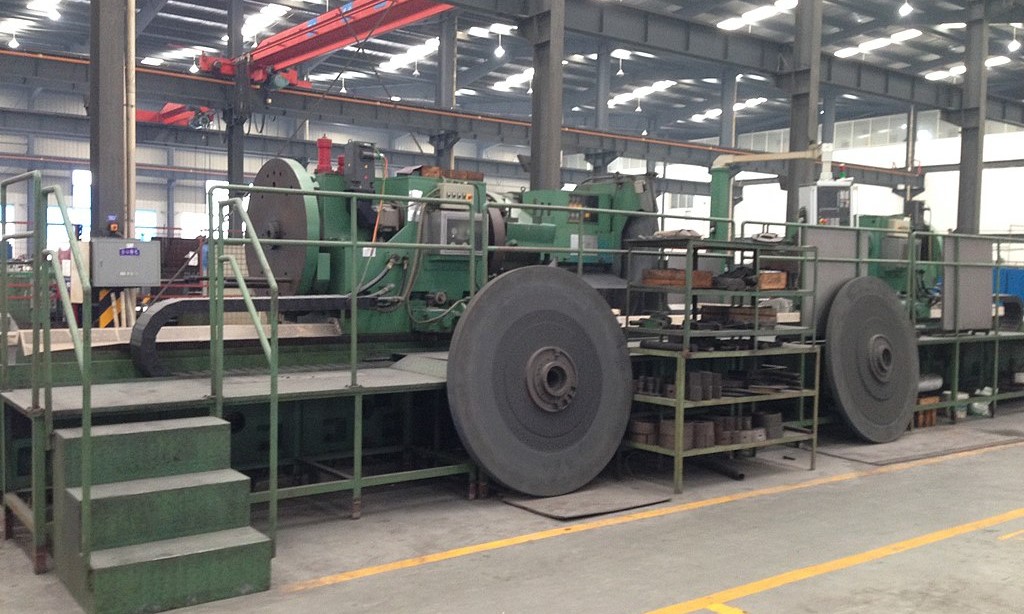
China's factory sector expanded at its strongest pace in a year during March, offering a boost to an economy navigating global supply chain challenges and volatile energy markets. The official manufacturing Purchasing Managers' Index climbed to 50.4, up from 49.0 in February, surpassing analyst expectations of 50.1 and marking the first time in months the index crossed the critical 50-point growth threshold.
The uptick signals improving demand conditions and a strong post-Lunar New Year production rebound. Factories ramped up operations quickly after the extended holiday break, with output and new orders both climbing above 51. Even new export orders showed notable recovery, rising to 49.1 from a weak 45.0 the prior month.
Despite the encouraging figures, economists urge caution. Escalating energy prices tied to the ongoing Middle East conflict are driving up input costs, putting pressure on manufacturers with already thin margins. The raw materials price sub-index surged sharply from 54.8 to 63.9 in March alone — a stark reminder of the external risks still facing Chinese industry. While output prices also ticked higher, limited pricing power suggests manufacturers are absorbing much of the cost burden themselves.
China's robust export performance — backed by record trade surpluses and surging global demand for electronics and semiconductors — has been a key pillar of growth. However, prolonged geopolitical instability could dampen this momentum, particularly in the second half of the year. The European Union, one of China's most critical trade partners, faces potential recessionary pressure if energy disruptions persist.
Domestically, weak consumer demand remains a structural challenge. Policymakers continue pushing for a shift toward consumption-led growth, but meaningful progress will take time. The non-manufacturing PMI also improved slightly to 50.1, suggesting modest but fragile momentum across both services and construction sectors.







