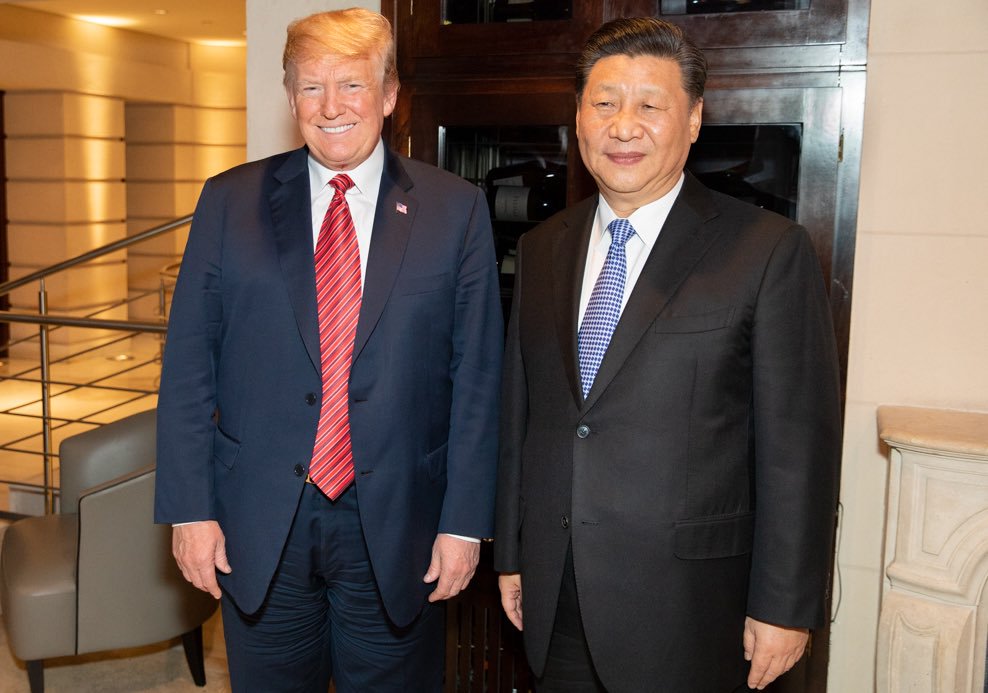
China is intensifying its push to end the Iran war while carefully balancing its relationship with Tehran ahead of a pivotal summit between President Xi Jinping and U.S. President Donald Trump scheduled for mid-May. As the world's largest crude oil importer — drawing nearly half its energy supply from the Middle East — Beijing has strong economic incentives to help restore regional stability.
Beijing's diplomatic strategy has proven effective enough that Trump publicly acknowledged China's role in bringing Iran to recent peace negotiations held in Pakistan. This behind-the-scenes influence, analysts say, gives China meaningful leverage in international diplomacy without requiring a formal seat at the negotiating table.
Xi unveiled a four-point peace framework calling for national sovereignty, peaceful coexistence, international rule of law, and a balance between development and security. Meanwhile, Foreign Minister Wang Yi has conducted nearly 30 diplomatic calls and meetings, and special envoy Zhai Jun has visited five Gulf and Arab capitals — traveling by road at times to avoid active conflict zones.
China's approach to the Trump summit is calculated. Beijing reportedly views Trump as transactional and responsive to diplomatic goodwill, and is expected to offer major economic concessions — potentially including a historic Boeing aircraft purchase and significant agricultural deals — to advance its interests on trade policy and Taiwan.
Analysts warn, however, that China's regional influence has clear limits. Without a military presence in the Middle East, its ability to enforce or guarantee any ceasefire remains constrained. Some experts describe Beijing's diplomatic activity as more performative than substantive, noting that China has declined Iran's requests to serve as a formal ceasefire guarantor.
The upcoming Trump-Xi summit is expected to remain narrowly focused, with little prospect of a sweeping bilateral agreement despite the flurry of diplomatic activity surrounding it.