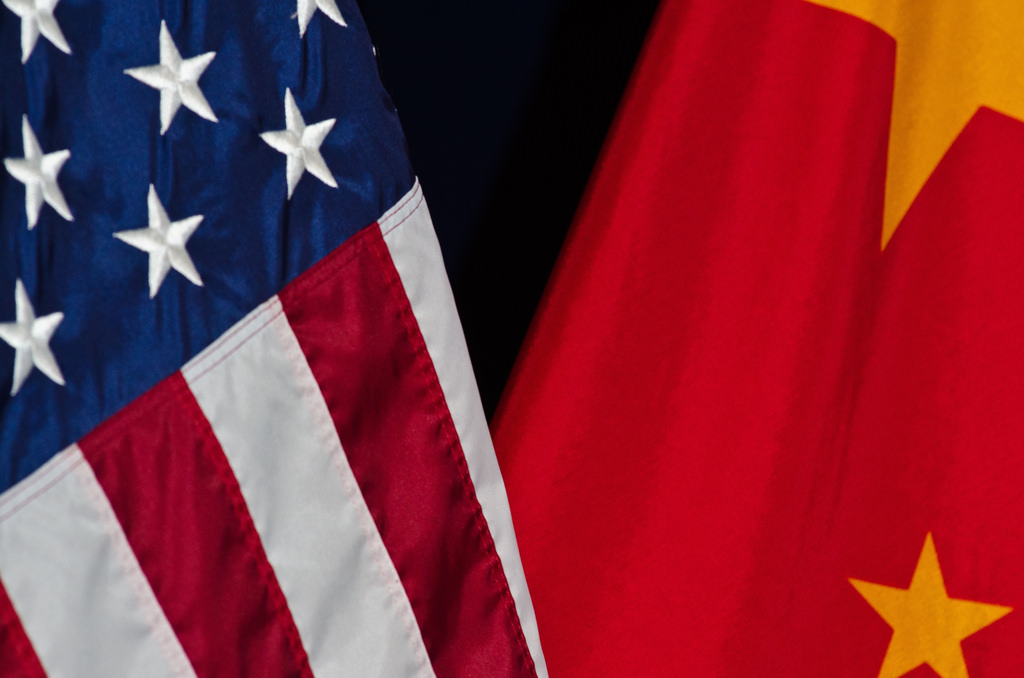
Beijing strongly opposed President Donald Trump's plan to impose an additional 10% tariff on Chinese imports, accusing the U.S. of shifting blame over fentanyl and warning of retaliation. China’s Commerce Ministry emphasized the nation’s strict anti-drug policies and highlighted the potential disruption to global supply chains.
Trump announced the tariffs on Thursday, alongside a 25% duty on Canadian and Mexican goods set to take effect Tuesday. The new China tariffs follow a previous 10% levy on February 4 and coincide with China's annual parliamentary meetings, where key economic policies for 2025 will be outlined.
With less than a week to respond, Beijing condemned the unilateral move, stating that such tariffs violate World Trade Organization rules and damage global trade stability. "China has one of the world's strictest anti-drug policies," the ministry asserted, calling the U.S. decision an attempt to avoid responsibility rather than address domestic issues.
Despite rising tensions, analysts believe China still hopes for a trade agreement. However, with trade talks stalled and Washington signaling a broader economic decoupling, the prospect of reconciliation remains uncertain. "There’s been movement, but the Trump administration’s ultimate goal with China is unclear," said Christopher Beddor, deputy China research director at Gavekal Dragonomics.
China’s Commerce Ministry urged a return to negotiations, warning of countermeasures if the U.S. proceeds. Trump defended the tariffs, citing concerns over fentanyl, a synthetic opioid fueling the U.S. drug crisis. A White House official confirmed ongoing talks with China, Mexico, and Canada, noting progress on migration but lingering fentanyl concerns.
In response, China’s Public Security Ministry added 31 new precursor chemicals to control lists, reporting 151 cases of drug-making material seizures in the past year. However, it did not specify whether these were fentanyl-related.