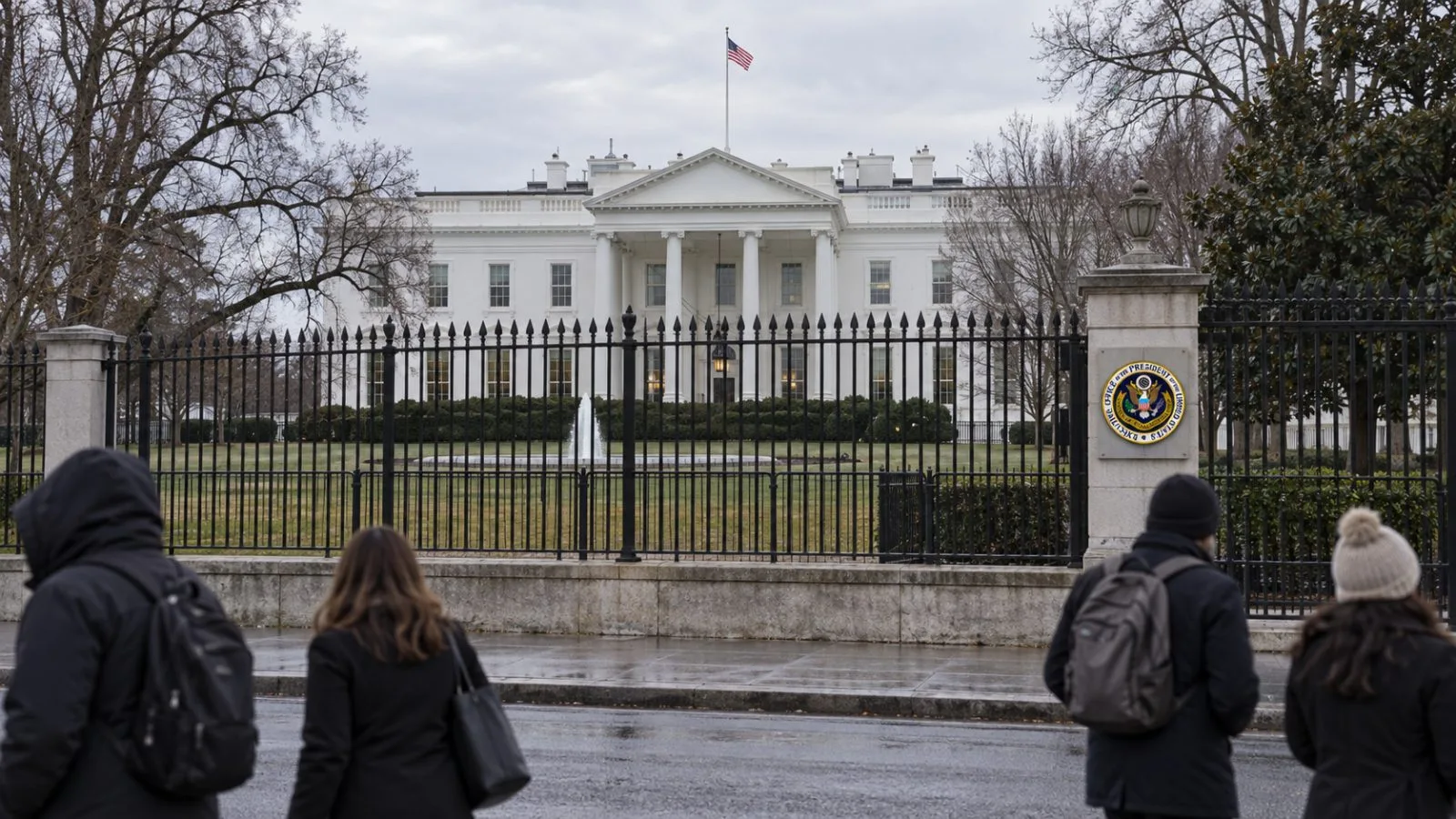
China has escalated its trade war with the U.S. by increasing tariffs to 125% on U.S. goods in response to President Trump's 145% tariff on Chinese imports, including a 20% tariff on fentanyl production. China's finance ministry made the announcement and put it into effect on April 12, 2025.
China has criticized the U.S. for "economic bullying" and "coercion" and vowed to "ignore" further U.S. tariff hikes and take countermeasures to protect its interests. President Xi Jinping stressed that trade wars are a game nobody can win, and Beijing called on other nations to rally against U.S. "unilateral bullying.".
The trade war has still triggered turmoil in global value chains and added costs to both countries, precipitating financial market volatility. Because there is no current negotiation underway and both sides stand hard, the increased tariff has already depressed China's U.S. imports market, which may cause long-term implications on the trading relationship and even on economic development