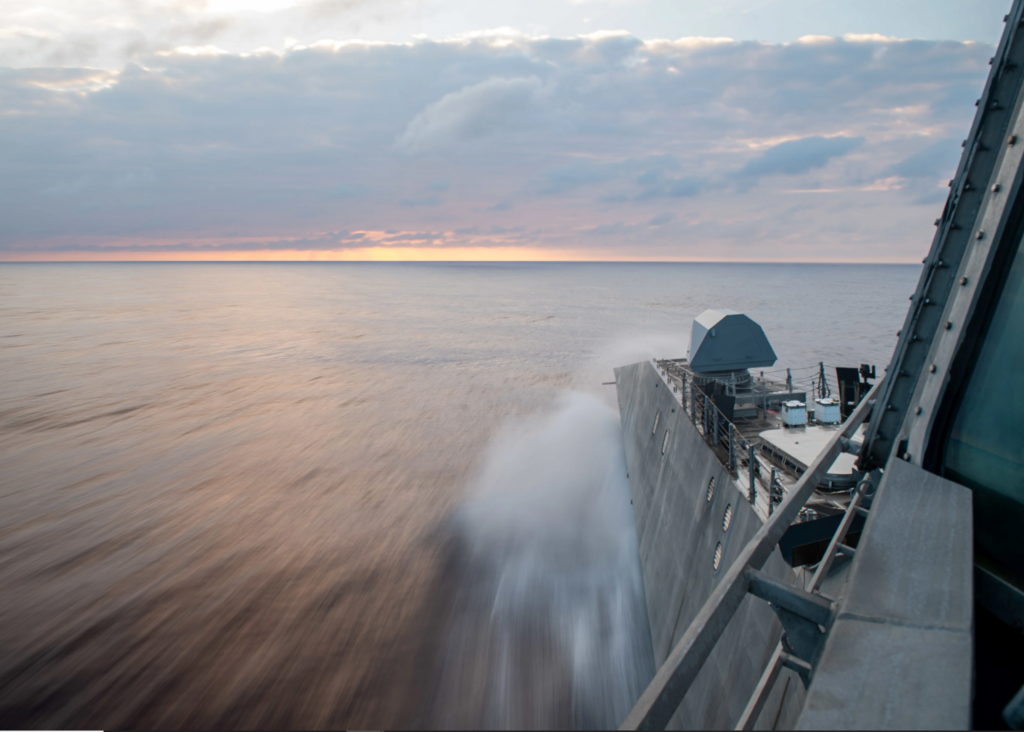
China has raised concerns over growing military cooperation in the Asia-Pacific region, cautioning that such alliances could weaken regional trust and stability. The statement came from China’s foreign ministry on Monday in response to the annual joint military exercises between the Philippines and the United States, which will also include participation from Japan.
Speaking at a regular press briefing in Beijing, foreign ministry spokesperson Guo Jiakun emphasized that regional peace should remain a top priority. He stated that the Asia-Pacific region currently needs “peace and tranquility” rather than the involvement of external powers that may intensify tensions and create division among neighboring countries.
The joint military drills, seen as a key part of defense cooperation between the US and the Philippines, have drawn increased attention due to Japan’s involvement. Analysts view these exercises as part of broader efforts to strengthen security partnerships in response to evolving geopolitical dynamics in the region. However, China has consistently expressed opposition to such moves, arguing that they risk escalating confrontation.
Guo warned that countries strengthening military ties in this way could face unintended consequences. He suggested that aligning too closely on security matters might ultimately backfire, potentially harming the very nations involved. According to China’s position, fostering mutual understanding and trust among regional countries is essential for long-term stability and economic growth.
This development highlights ongoing tensions in the Asia-Pacific, where military alliances, territorial disputes, and strategic interests continue to shape diplomatic relations. As joint military exercises expand and more nations become involved, the balance between security cooperation and regional harmony remains a key concern for policymakers and observers worldwide.