


 Mahmoud Abbas Postpones Palestinian Elections to September 2027
  North Korea Fires Ballistic Missiles as Tensions With South Korea Escalate
  JD Vance Questions Pentagon Plan to Livestream Fort Hood Shooter’s Execution
  Zelenskiy Slams US-Russia Diesel Deal as Funding War
  UK Finance Minister Healey Calls for Fiscal Discipline Amid Global Risks
  European Auto Stocks Rise as EU-China Trade Deal Targets Hybrid Imports
  Trump Announces Russia-Ukraine Energy Ceasefire Amid U.S. Pressure on Kyiv
  Flydubai Co-Pilot Planned Suicide Attack on Israel Airport, UAE Says
  Trump Calls for Zelenskyy Replacement Amid Russian Diesel Deal
  Flavio Bolsonaro Leads Lula 49%-45% in Brazil Runoff Poll
  Russian Strikes Kill Six in Ukraine, Including Three in Kharkiv
  US, EU Push for Action Against Asia’s Excess Factory Capacity
  Panama Declares Emergency After 7.7 Earthquake Triggers 200 Aftershocks
  Brazil Election: Lula and Bolsonaro Rally Ahead of October 25 Runoff
  Djibouti Migrant Boat Capsizes, Killing 139 and Leaving 84 Missing
  Trump Announces Russia-Ukraine Energy Ceasefire as Zelenskiy Awaits Details
  Trump Sanctions International Criminal Court, Sparking EU Backlash


 Add as a preferred source on Google
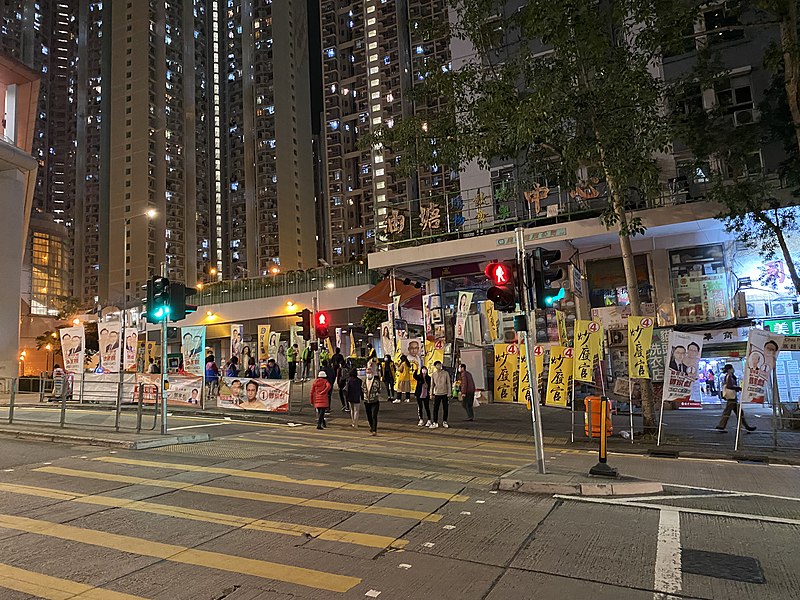
Following China’s seizing of Hong Kong, the city’s special legislative elections recently occurred, receiving backlash for its overhaul of the electoral process. Beijing has since pushed back against several Western nations for its condemnation of the recent elections it described as rigged.
Answering a question at the China Radio International, Chinese Foreign Ministry spokesperson Zhao Lijian ripped into the West for its condemnation of Hong Kong’s special legislative elections. Zhao was pressed on the statements issued by three international alliances; the G7 group of countries, the European Union, and the Five Eyes alliance. The alliances all criticized the special elections, accusing the process as undemocratic.
“China expresses its firm rejection and strong condemnation to certain Western countries’ collusion. Irresponsible remarks on the seventh-term LegCo election and democracy and the rule of law in HKSAR and the gross interference in China’s internal affairs,” said Zhao.
“Certain Western countries should face up to the fact that Hong Kong has returned to the motherland for 24 years. They should abide by international law and basic norms governing international relations, stop all forms of meddling in Hong Kong’s affairs and interference in other internal affairs of China. Any attempt to undermine Hong Kong’s prosperity and stability is doomed to fail,” said Zhao.
Only 30.2 percent of registered voters showed up to cast their votes in the recent elections. Beijing’s overhaul led to only 20 seats available for election. Another rule put in place allowed Beijing to vet candidates.
90 percent of the seats went to pro-establishment or pro-China candidates.
The foreign ministers of the G7 expressed “grave concern over the erosion of democratic elements” and that the new vetting system severely limited the choice of candidates on the ballot, undermining the autonomy Hong Kong has under the “One Country, Two Systems” principle. The ministers also called to restore confidence in the city’s political institutions and an end to the oppression of those who promote democratic values along with defending the rights and freedoms of its citizens.
Josep Borrell, the foreign policy chief of the EU said in a statement that the recent election further dismantled the “One Country, Two Systems” principle while also calling to maintain Hong Kong’s autonomy and respect for human rights and freedoms.







