


 TSMC Profit Set to Surge 65% as AI Chip Demand Drives Record Earnings
  Nasdaq Falls as Oil Prices Surge Ahead of Bank Earnings
  FAA Warns US Airlines Over Saudi Arabia Flight Risks
  Bank of America Predicts Yen Rebound as USD/JPY Faces Risks
  Philippines Current Account Deficit Seen at $19.1 Billion in 2026
  Albertsons Seeks $9.3 Billion From Kroger Over Failed Merger
  Bumble Shares Surge 50% on $1 Billion Buyout Talks
  Trump Secures Russian Diesel Deal as US Fuel Prices Surge
  Russia Approves Sberbank for Crypto Exchange Services
  Hong Kong’s Second Solana ETF Launches With Lower Fees
  US Stock Futures Rise as Oil Prices Fall Ahead of Q3 Earnings
  Orsted to Take Full Ownership of UK Offshore Wind Farm for £15 Million
  Elon Musk Donates $366 Million to 2026 US Midterms
  Oil Prices Fall as Russia Signals Higher Diesel Exports
  Visa Wins China Approval to Prepare Domestic Payments Expansion
  Trump Calls for Zelenskyy Replacement Amid Russian Diesel Deal
  Epic Games Delays Disney Shooter, Shifts to AI-First Development


 Add as a preferred source on Google
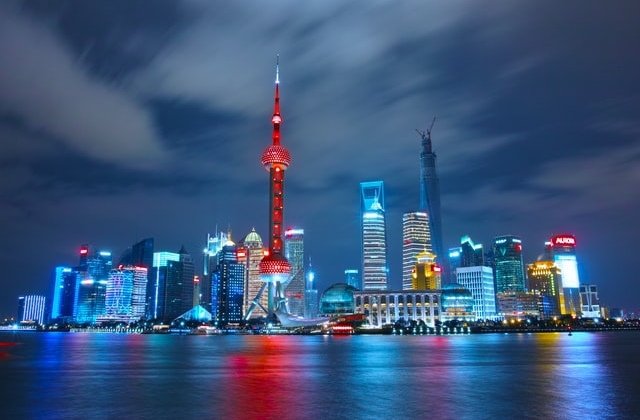
China will be setting up its new stock exchange that will be based in Beijing. The government made the decision to give the country’s capital more influence in the business and finance sectors.
According to CNN Business, China’s President Xi Jinping made the announcement during the international trade fair event late last week. He said that he wants to build a place for innovative and service-oriented businesses. However, he did not mention his government is launching the new bourse.
The country has two existing stock exchanges and they are in Shenzhen and Shanghai which is far from the nation’s capital, Beijing. Since this area is also the political center, the president wants a stock exchange here as well.
The Shenzhen Stock Exchange was launched in November 1990 and it mostly has tech and small to medium-sized companies. On the other hand, the Shanghai Stock Exchange was established the following year, in July 1991 and it hosts more major companies including banks, energy firms, and businesses owned by the state.
It is notable that the plan to have the bourse in Beijing was announced amid the local government’s crackdown on major tech and now, the entertainment companies. The regulatory’s monitoring has intensified and it was said that this is part of Beijing’s work to rein in their power and influence.
China’s securities regulator, the China Securities Regulatory Commission (CSRC), said that the upcoming Beijing stock exchange will be built on the top of the National Equities Exchange And Quotations (NEEQ). It was added that few chosen firms from the NEEQ can qualify for listing on Beijing’s bourse.
Finally, Reuters reported that although the CSRC said that the new stock exchange is based on the city's New Third Board and complements the Shanghai and Shenzhen exchanges, there are experts that say a rivalry for listing resources may inevitably crop up which is not good.
"The Beijing stock exchange has equal footing with Shanghai and Shenzhen bourses,” the publication quoted PopEton’s chief executive officer of investment adviser and economist, Rock Jin, as saying. “If it prospers, the three will share the market in tripartite confrontation."







