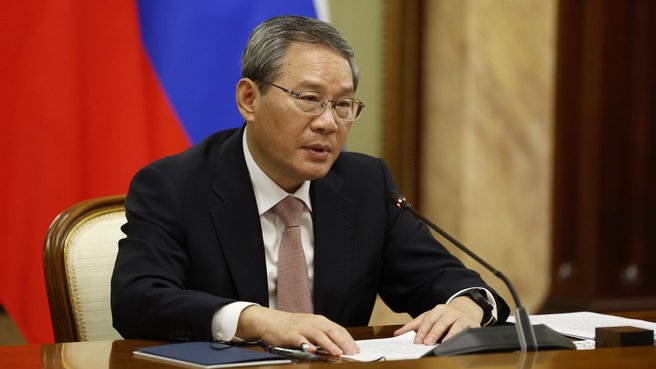
China's Premier Li Qiang will announce the nation's 2025 economic targets at the annual parliamentary meeting on March 5. Analysts expect Beijing to maintain its ambitious 5% growth target, despite ongoing trade tensions with the U.S. Last year, China achieved 5.0% GDP growth, driven by strong exports and late-stage stimulus efforts.
The government plans to raise its budget deficit to 4% of GDP, up from 3% in 2024, aligning with its "proactive" fiscal policy. A record-breaking 3 trillion yuan ($413 billion) in special treasury bonds is expected, a significant increase from last year’s 1 trillion yuan. About 1.3 trillion yuan will support consumer subsidies, business equipment upgrades, and strategic investments in sectors like electric vehicles, semiconductors, robotics, and green energy. Additionally, at least 400 billion yuan may be injected into state banks to strengthen liquidity.
Local governments are likely to receive a higher special debt quota, with estimates ranging from 4.5 trillion to 4.7 trillion yuan, up from 3.9 trillion yuan in 2024.
China prioritizes employment stability, having created 12.56 million urban jobs last year. A similar target is expected in 2025, with an unemployment rate goal of around 5.0%, down from 5.5%. With a record 12.22 million college graduates entering the job market, employment policies will be crucial.
China may lower its inflation target to "around 2%" from "around 3%," reflecting concerns over deflation. Consumer prices rose just 0.2% last year, making inflation less of a focal point.
These economic strategies highlight Beijing’s efforts to balance growth, fiscal expansion, and job stability in a challenging global landscape.