


 Global Central Banks Brace for More Rate Hikes as Inflation Risks Rise
  RBI Uses $10 Billion Currency Swaps to Drain Excess Rupee Liquidity
  Asian Currencies Mixed as Yen Weakens, RBA Hike Looms
  Fed Unveils Stablecoin Rules Under GENIUS Act
  US Dollar Hits Two-Month High as Aussie, Pound Slide
  Gold Plunges 4% as Treasury Yields Surge and Fed Rate Hike Bets Rise
  Yen in Focus as BOJ, Fed Rate Hikes Reshape Currency Markets
  Gold Prices Slip as High Treasury Yields Weigh on Bullion
  US Alcohol Ban Exposes Canada’s Internal Trade Barriers
  BOJ Flags Import Costs and Yen Shocks as Persistent Inflation Risks
  Oil Prices Steady as Middle East Crude Flows Recover
  BlackRock’s Rick Rieder Favors Bonds Over Stocks as Treasury Yields Surge


 Add as a preferred source on Google
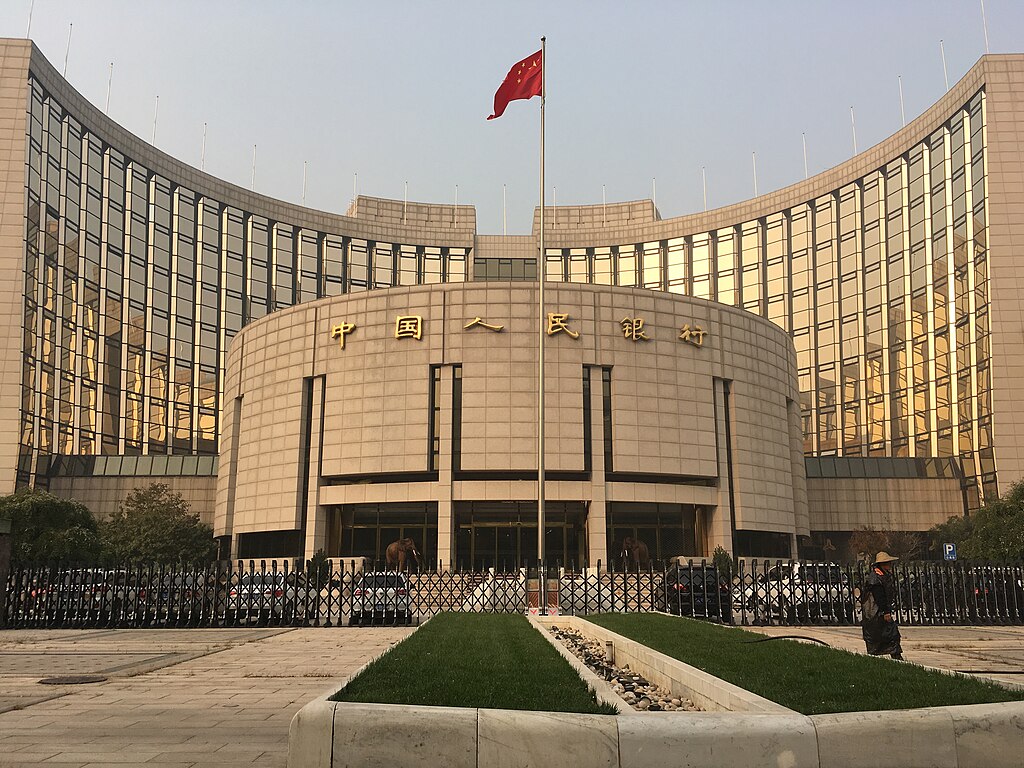
The People's Bank of China (PBOC) conducted a 300 billion yuan ($41.3 billion) medium-term lending facility (MLF) operation on Tuesday, keeping the interest rate unchanged at 2.00%. This move aims to maintain ample liquidity in the banking system, according to the central bank’s statement.
The MLF loans, which mature in one year, were issued to select financial institutions. The bid rates ranged from 1.80% to 2.20%, with the total outstanding MLF balance reaching 4.094 trillion yuan after the operation.
This month, 500 billion yuan in MLF loans are set to expire, raising expectations of further liquidity measures from the PBOC. The decision to keep rates unchanged signals policy stability amid ongoing economic challenges. Market watchers are closely monitoring China's monetary policy adjustments, especially as global financial conditions shift.
With China's economy facing sluggish growth and real estate concerns, analysts speculate on future policy moves, including potential liquidity injections or rate adjustments. The PBOC’s commitment to ensuring sufficient liquidity suggests a cautious yet supportive stance in managing economic stability.







