


 Europe EV Sales Hit Record as Affordable Models Boost Demand
  Trump Envoy Meets Sudan Army Chief in Egypt
  Iran Tanker Attacks Surge as Hormuz Oil Flows Near Prewar Levels
  Australia Consumer Confidence Plunges as RBA Rate Hike Hits Households
  Thailand Plans Dual-Class Shares to Revive IPO Market
  Hong Kong Stocks Slip as Property, Financial Shares Weigh
  Trump Offers US Help to Russia After Plague Lab Worker Dies
  Ukraine to Intensify Strikes on Russian Oil Refineries
  Japan Real Wages Rise 1.5%, Supporting BOJ Rate Hikes
  Euro Hits 17-Month Low as France Debt Fears Boost Dollar
  Gold Prices Slip as Strong Dollar and High Treasury Yields Weigh
  Asian Stocks Rise as Fed Rate Hike Bets Fade
  France Student Protests Intensify Nationwide
  US Stock Futures Rise as Weak Jobs Data Eases Fed Hike Bets
  North Korea Slams US Taiwan Arms Sales, Reaffirms Russia Support
  Zelenskiy Warns Russia Is Preparing Massive Attack on Ukraine
  World Bank Raises South Asia Growth Forecast to 6.9%


 Add as a preferred source on Google
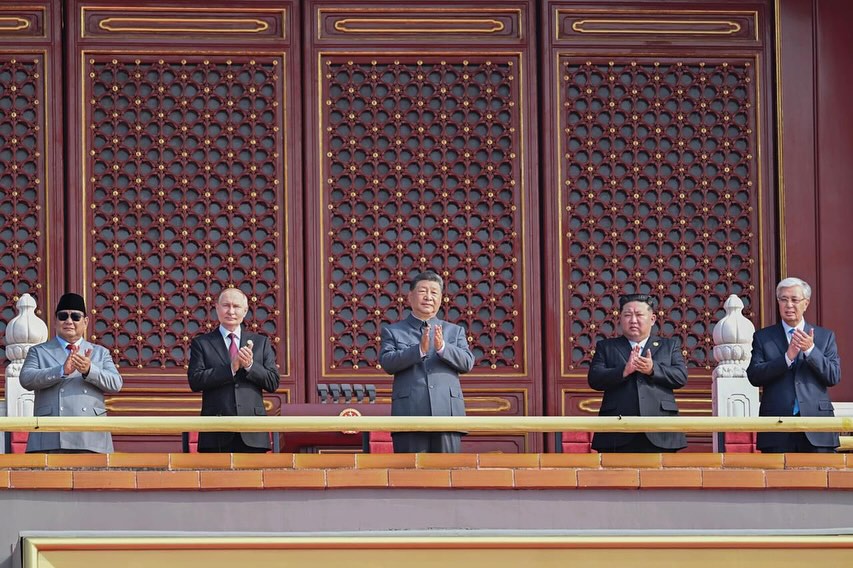
China’s exports to North Korea saw a sharp rebound in September, surging 30.75% year-on-year to reach $228.1 million, according to data from the General Administration of Customs of China. The strong recovery follows August’s first decline of 2025, marking a clear sign of renewed economic momentum between the two neighboring countries. On a month-to-month basis, Chinese shipments to North Korea jumped 54.53%, underscoring the rapid pace of trade recovery.
The top exports driving this surge included soybean oil, processed hair and wool for wig-making, petroleum bitumen, and granulated sugar, highlighting North Korea’s continued reliance on essential goods and manufacturing materials from China. As North Korea’s largest trading partner, China remains a crucial economic lifeline for the isolated nation, which continues to face strict international sanctions over its nuclear weapons program.
The spike in trade comes amid a series of high-level diplomatic exchanges between Beijing and Pyongyang. North Korean leader Kim Jong Un visited Beijing in September for a military parade, marking his first formal meeting with Chinese President Xi Jinping in six years. Accompanied by Foreign Minister Choe Son Hui, Kim’s visit was followed by Choe’s separate diplomatic trip later that month, during which she met China’s top diplomat Wang Yi to strengthen bilateral cooperation.
Days after these meetings, Chinese Premier Li Qiang traveled to Pyongyang to attend events celebrating the 80th anniversary of the founding of North Korea’s ruling Workers’ Party. In a congratulatory message to Kim, Xi pledged to enhance strategic communication and deepen practical cooperation between the two nations, according to Xinhua News Agency.
The growing economic and diplomatic engagements signal an era of renewed China–North Korea relations, reinforcing Beijing’s pivotal role in Pyongyang’s fragile yet recovering economy.







