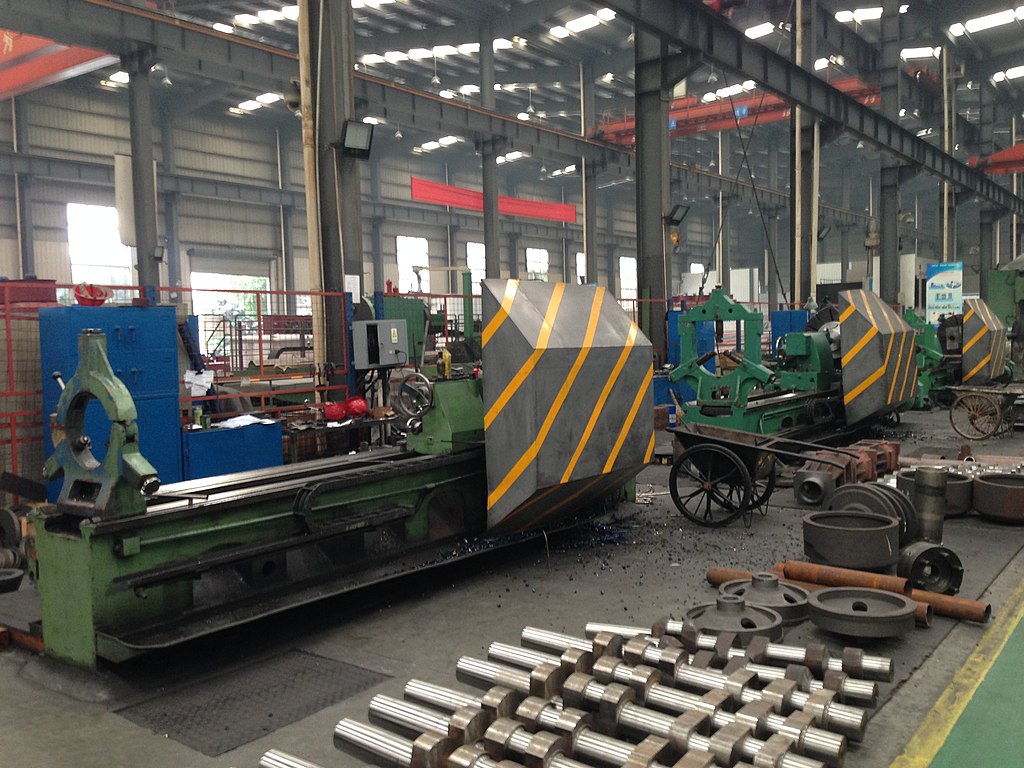
China’s factory activity likely contracted for the second consecutive month in May, as ongoing trade tensions with the U.S. and EU dampen manufacturing sentiment. According to a Reuters poll of 21 economists, the official Purchasing Managers’ Index (PMI) is expected to rise slightly to 49.5 from April’s 49.0 but remain below the key 50-point threshold that indicates growth.
The world’s second-largest economy is battling dual trade conflicts—one with the U.S., driven by President Donald Trump’s aggressive 145% tariffs, and another with the European Union over dumping allegations. These frictions are adding stress to China’s fragile, export-dependent recovery, already weakened by deflation, slow income growth, and an ongoing property sector slump.
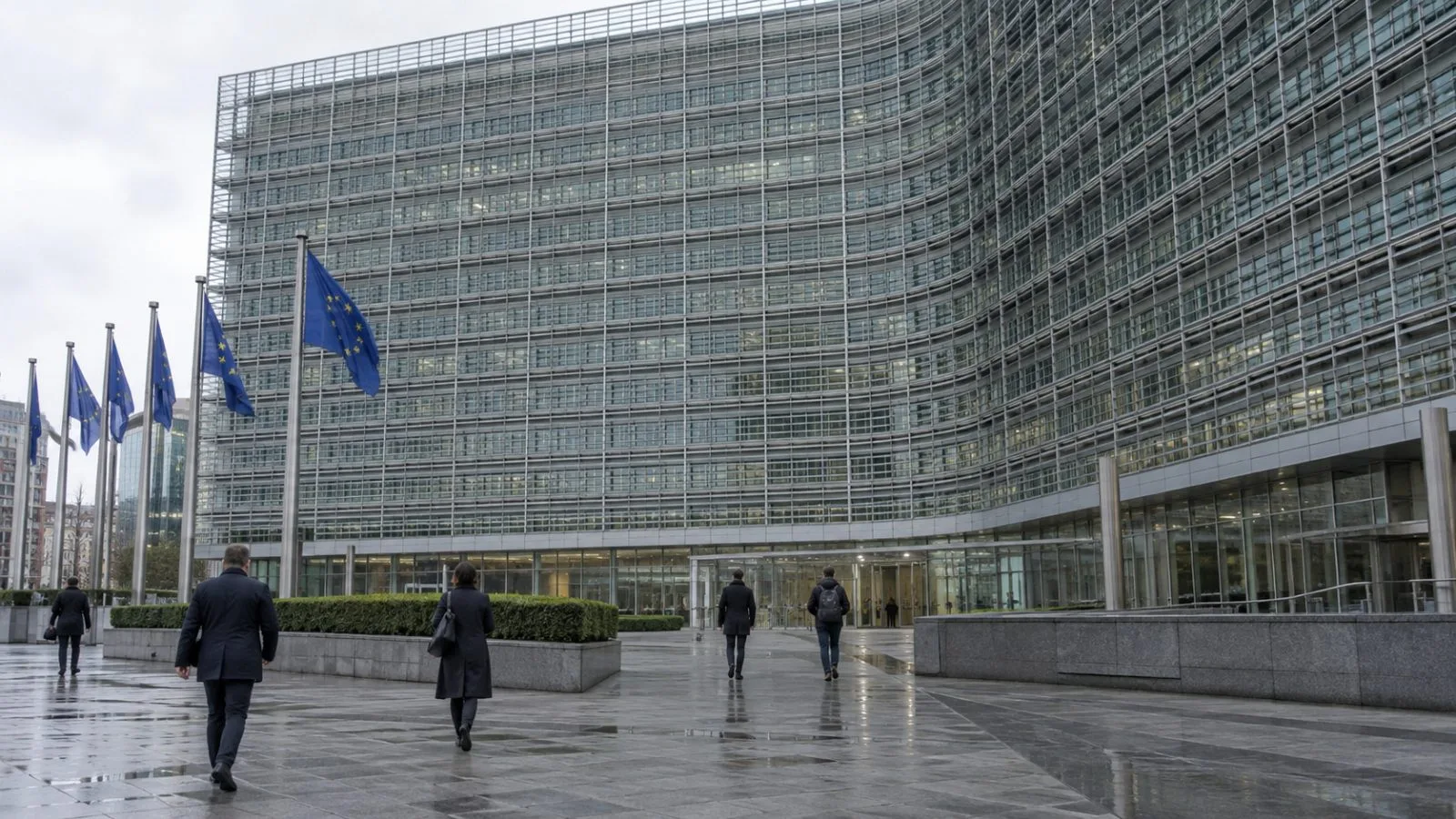
In response to the EU’s anti-dumping probe on Chinese-made tires and electric vehicles, Beijing has launched its own investigations into European brandy and dairy imports, escalating the trade dispute.
While China’s GDP beat expectations in Q1 and the government maintains a 5% growth target for 2025, analysts warn that intensifying U.S. tariffs could derail momentum. Exports have been a key pillar supporting the recovery post-COVID, but policymakers are now being pushed to roll out further fiscal and monetary stimulus to stabilize growth and buffer external shocks.
The official PMI for May will be released Saturday, while the private Caixin survey—more reflective of smaller firms—is due on June 3, with expectations of a marginal rise to 50.6 from 50.4.
China’s economic trajectory remains under pressure as global trade dynamics shift, placing urgency on domestic demand stimulation and diplomatic resolutions to avert a deeper slowdown.