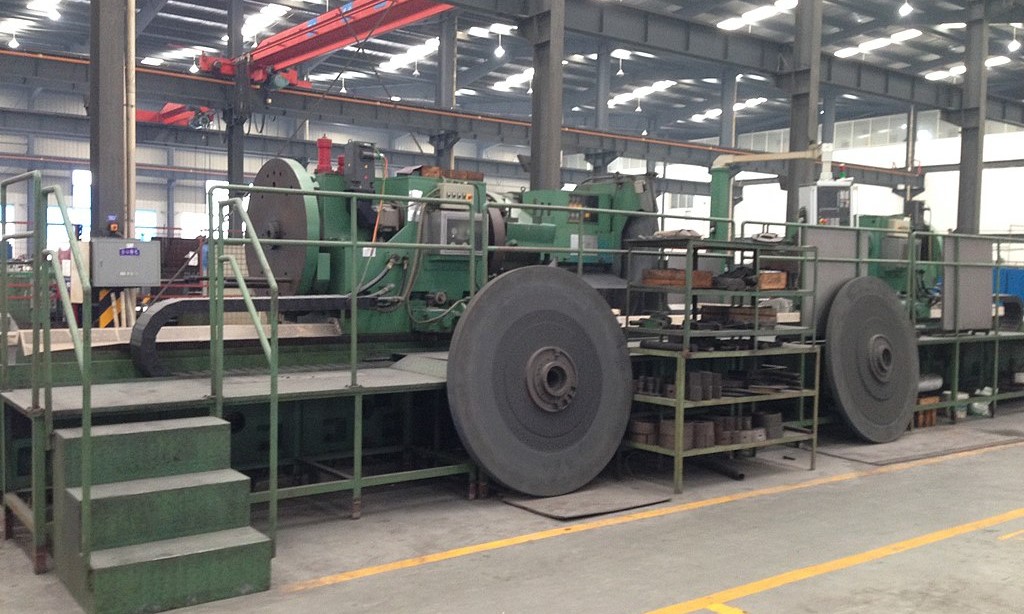
China’s economy delivered mixed signals in September as official and private purchasing managers’ index (PMI) readings diverged. Government data showed the official manufacturing PMI at 49.8, marking the sixth straight month of contraction. Although slightly stronger than August’s 49.4 and above forecasts of 49.6, the figure still highlights ongoing pressure on China’s industrial sector. A reading below 50 signals contraction, underscoring weak global demand that has plagued Chinese factories since April.
In contrast, the RatingDog (formerly Caixin) manufacturing PMI climbed to 51.2, beating expectations of 50.2 and last month’s 50.5. This marked the sector’s fastest growth in six months, driven by a surge in new export orders. Unlike the official gauge, which emphasizes large state-owned firms in northern regions, the private survey focuses on smaller, export-driven private enterprises in southern China, often offering a more globalized snapshot of industrial health.
The divergence extended into services. The official non-manufacturing PMI slipped to 50.0, down from 50.3 and signaling stagnation. Meanwhile, the RatingDog services PMI came in at 52.9, slightly below August’s 53.0 but above expectations of 52.3, reflecting steady expansion and outperforming government data.
Analysts warn that despite signs of resilience, China’s economy remains under strain from U.S. tariffs, slowing overseas demand, and persistent industrial overcapacity. While exports provided support in 2025, weak output prices and muted domestic demand continue to drag on growth. Beijing has rolled out stimulus measures including consumer subsidies, liquidity injections, and policy easing, but their impact has faded in recent months.
Economists now expect further action, with forecasts pointing to one more 10-basis-point rate cut and a 50-basis-point reserve requirement ratio reduction by year-end. Still, experts such as Capital Economics caution that without stronger domestic momentum, China’s growth rebound is unlikely to be sustained, keeping pressure on policymakers to deliver more targeted support.