South Korea will provide the third batch of its economic relief package worth 9.3 trillion won to benefit 5.8 million small business operators and contract workers.
Direct cash payments from the aid will begin on Jan. 11.
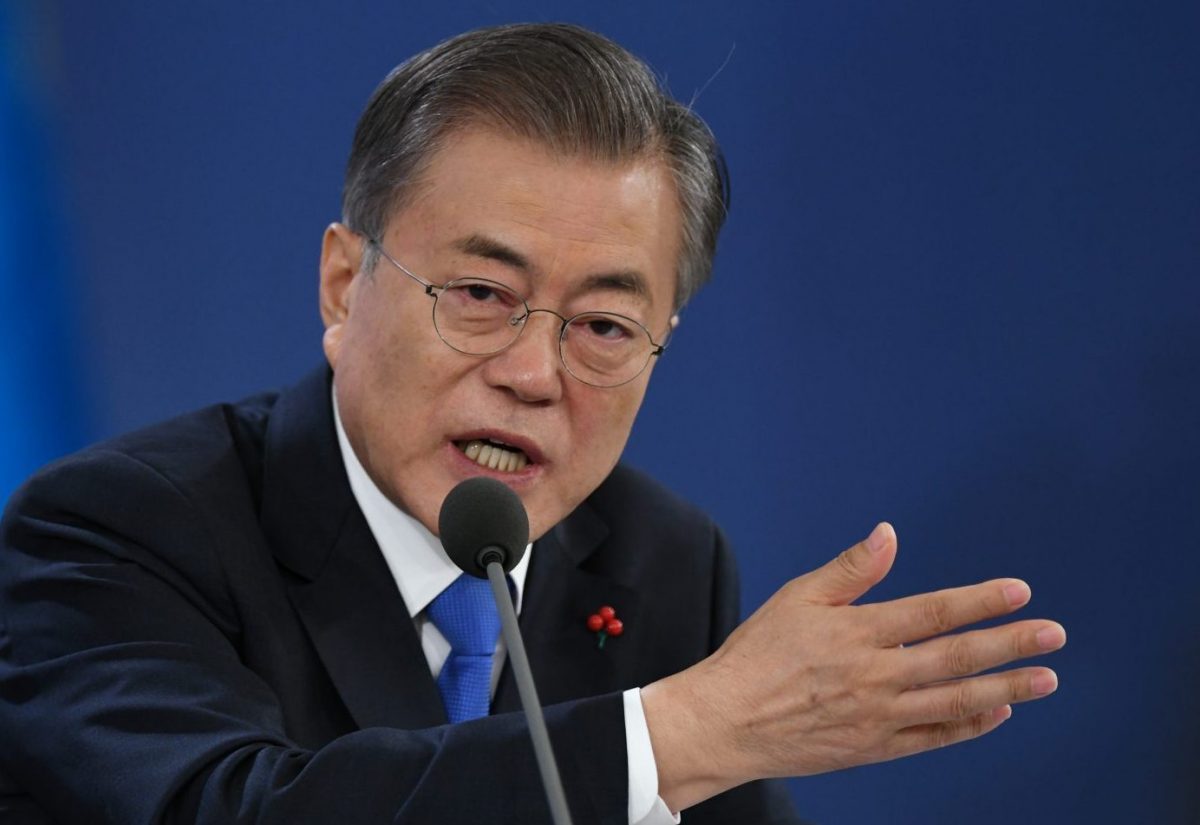
According to President Moon Jae-in, the relief package protects small business owners and vulnerable workers affected by the government’s virus containment measures.
Of the amount, 5.6 trillion won will be allocated to small businesses mainly as rent assistance and to contract workers and freelancers who are bearing the brunt of the coronavirus-led crisis.
Some 2.9 trillion won will go to companies that maintain their contracts with employees and small and medium-sized enterprises in need of emergency funds.
The government earmarked 3 million won to those forced to shut down their businesses entirely due to toughened schemes, including indoor gyms, private educational institutes, and clubs, and 2 million won will go to restaurant and coffee shop owners.
Around 90,000 caregivers and 80,000 taxi drivers will be granted 500,000 won.
South Korea will also provide low-interest loans and low insurance costs to ease the burdens of small businesses.
One trillion won in loans with an annual interest rate of 1.9 percent will be offered to 100,000 small merchants who were forced to suspend their businesses.