The Coca-Cola Company is aiming to make 25 percent of its packaging globally to be reusable by 2030 after environmental groups have called it out for worldwide plastic pollution.
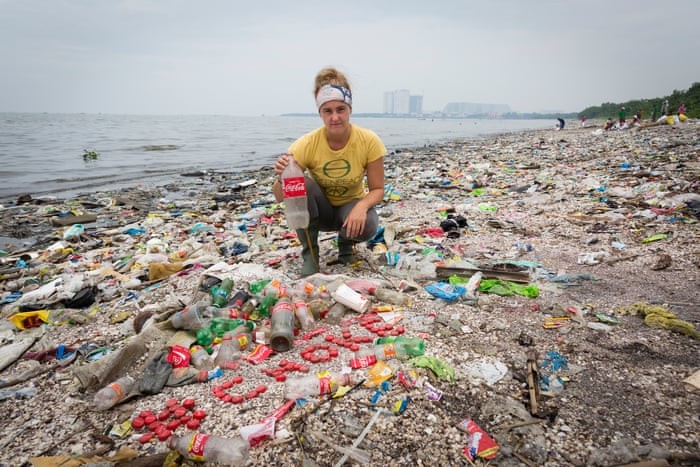
Consumer, investor, and environmental groups have targeted Coca-Cola for its petroleum-based plastic single-use bottles that have been clogging oceans and creating many other problems.
According to the global coalition Break Free From Plastic's annual report released in October, Coca-Cola was the world's worst plastic polluter for the fourth year in a row in 2021.
Based on reuse guidelines by nonprofit Ellen MacArthur Foundation, Coca-Cola defined reusable packaging as including containers that can be refilled with an original product by consumers or companies, such as refillable fountain drink containers and glass and plastic bottles that are refillable or returnable.
In 2020, 16% of Coca-Cola's packaging was reusable. That year, 90 percent of its refillable glass and plastic containers were collected.
Fund manager Green Century Capital Management described Coca-Cola's announcement as "the first known goal of its kind" and "a welcome change in strategy."
Green Century and activist investor As You Sow filed a shareholder proposal urging Coca-Cola to reduce single-use plastic are now considering withdrawing their proposal.
Coca-Cola CEO James Quincey said they intend to collect back a bottle or can for every one they sell by 2030.