


 Drug pollution in water is making salmon take more risks – new research
  Broadcom, Oracle and SpaceX Seek Billions in Private Debt for AI Expansion
  Extreme heat, flooding, wildfires – Colorado’s formerly incarcerated people on the hazards they faced behind bars
  Constellation Brands Beats Q2 Estimates, Buys SpikedAde
  Burkina Faso and Mali’s fabulous flora: new plant life record released
  Levi Strauss Beats Q3 Profit Estimates, Raises 2026 Outlook
  Anthropic Expands Claude Access for Cyber Defense Teams
  Intel Reaffirms Role in Elon Musk’s Terafab Chip Project
  Micron Shares Rise 4% Despite Taiwan Strike Risk
  The pandemic is still disrupting young people’s careers
  TikTok Accused of Testing Fake Safety Tools on Users
  Time to buy local: war fuel price shocks reveal the folly of a long food supply chain
  Kazakhstan and Tether Explore Tenge Stablecoin and RWA Tokenization
  GesiaPlatform Launches Carbon-Neutral Lifestyle App ‘Net Zero Heroes’
  The ghost of Robodebt – Federal Court rules billions of dollars in welfare debts must be recalculated
  Nomura Asset Management Targets Global Investors as Japan Markets Gain Appeal
  The world’s biggest trees could hold the secret to coping with drought


 Add as a preferred source on Google
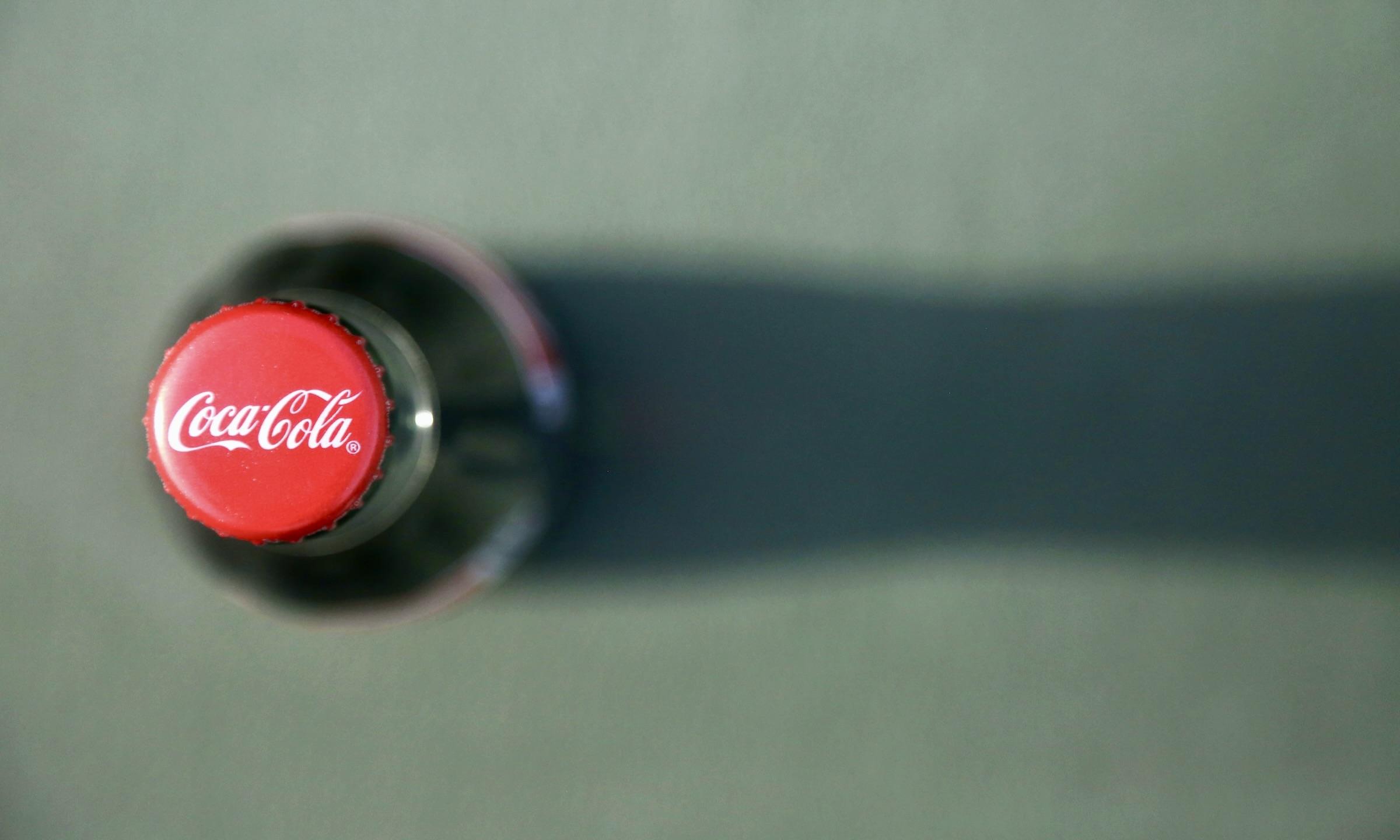
Coca-Cola announces a packaging redesign, attaching bottle caps to its plastic bottles, ensuring complete recyclability in European countries, including the United Kingdom, France, Spain, and others, addressing a key pollution concern.
According to the North Sea Foundation, plastic bottle caps rank among the top five deadliest ocean pollutants. In 30 years, beach cleaning activities have uncovered 20 million bottle caps. These caps significantly threaten sea birds and marine mammals that may ingest them.
While recycling challenges persist, attaching the caps directly to the bottles is expected to reduce the number of unrecycled caps that pollute the ocean. Despite Coca-Cola's claim that all their bottles are 100% recyclable, the caps have not always been included in recycling. This new design change aims to prevent littering and curb the caps' impact on beaches and water sources.
John Woods, the general manager of Coca-Cola Great Britain, expressed his optimism about the impact of this small but crucial change. He stated this is a small change that we hope will have a big impact, ensuring that when consumers recycle our bottles, no cap gets left behind.
The goal aligns with Coca-Cola's commitment to collect and recycle a bottle or can for every one they sell by 2025, contributing towards a World Without Waste. This latest redesign follows previous initiatives aimed at reducing plastic pollution.
In collaboration with Liberty Coca-Cola Beverages, Graphic Packaging eliminated six-pack plastic rings from packaging in the United States. This eco-friendly swap will remove over 34,000 kilograms (75,000 pounds) of plastic packaging from the supply chain annually.
To comply with an EU law specifying that caps and lids remain attached to drinks containers up to 3 liters, Coca-Cola aims to have all bottles in Europe equipped with attached caps by 2024.
Coca-Cola's innovative packaging design change signifies a significant step forward in its sustainable journey. By making recycling easier and reducing the threat of plastic pollution, the company is demonstrating its commitment to creating a greener, cleaner environment for all.
Photo: Giorgio Trovato/Unsplash







