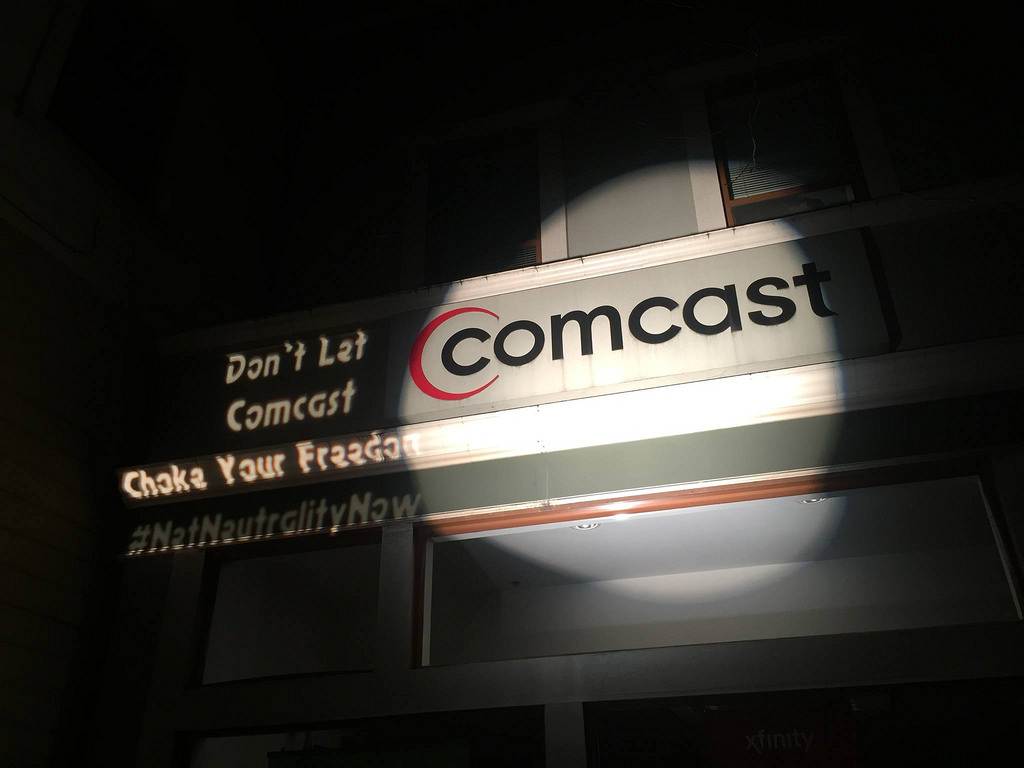
The Federal Communications Commission (FCC) is coming ever closer to killing Net Neutrality, to the raucous applause of internet service providers (ISPs). However, despite its apparent glee at the death of a free internet, Comcast still says that it loves Net Neutrality. If the FCC does vote to repeal regulations on ISPs, it could also mean the end for online movements like the #MeToo trend.
In a recent blog post, Comcast EVP David Cohen tried to reassure customers that the company will not commit any of the actions that proponents of Net Neutrality fear if it is killed. These include throttling certain contents and providing internet fast lanes to those who can afford to pay extra.
“This is not the end of net neutrality. Despite repeated distortions and biased information, as well as misguided, inaccurate attacks from detractors, our Internet service is not going to change. Comcast customers will continue to enjoy all of the benefits of an open Internet today, tomorrow, and in the future. Period,” the post reads.
Suffice it to say, these statements garnered skepticism and doubt from publications, including The Verge. Citing the contradictory nature of loving Net Neutrality and wanting it dead, the site is brought up how suspicious Comcast’s intentions are.
If the FCC does end up voting to kill Net Neutrality, another potential casualty could be the #MeToo movement. A good example of how the vote could end up disrupting powerful movements against abusers is FCC chair Ajit Pai’s recent criticism of Twitter. Pai essentially said that the microblogging platform is a threat to an open internet and the #MeToo movement is on that platform.
As Newsweek notes, for all its flaws, the internet has allowed women to be more vocal about abuses by men and bypass traditional platforms to become empowered. If Pai were to start targeting social networks like Twitter, it could be the first domino to fall that could then lead to the death of online activism.