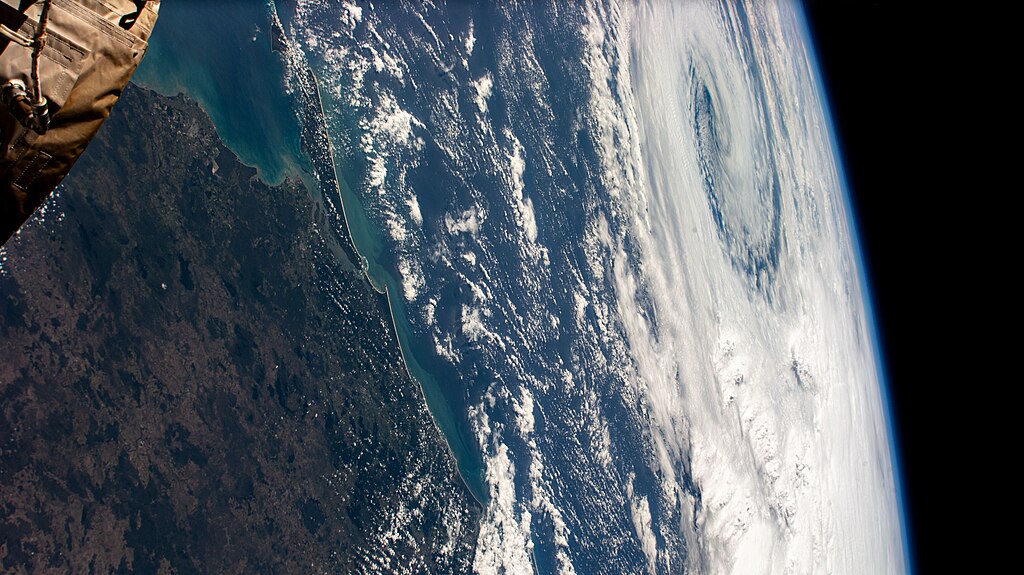
Tropical Cyclone Alfred has inflicted an estimated A$1.2 billion ($759 million) in damages, trimming Australia’s GDP growth by 0.25 percentage points in the March quarter, according to Australian media. The cyclone, which made landfall north of Brisbane after weakening to a tropical low, caused flash floods and power outages across Queensland and New South Wales.
Treasurer Jim Chalmers, set to address the Queensland Media Club on Tuesday, will highlight the financial strain on the national budget, with recovery costs expected to be significant. "We don’t yet know the precise cost to our budget, but again it will be substantial," he will say, emphasizing the burden on government finances ahead of his final budget announcement before the mid-May election.
The disaster may also push inflation higher, particularly due to damage to fruit and vegetable farms. The Labor government faces mounting economic pressures as it seeks re-election, with recent polls showing the opposition Liberal-National coalition slightly ahead.
As of Friday, more than 53,000 insurance claims have been filed, according to the Insurance Council of Australia, highlighting the storm’s extensive impact.
Chalmers is also expected to discuss potential economic consequences from U.S. President Donald Trump’s decision to impose tariffs on steel and aluminum, further adding to global economic uncertainties.



ECB's Kocher Says No Inflation Spillover Yet From Iran Conflict, Warns Risks Remain
China Q2 2026 GDP Misses Forecast as Weak Domestic Demand Offsets Export Strength
Asian Stocks Slide as Nikkei Leads Losses on Tech Selloff and Rising U.S.-Iran Tensions
Port of Los Angeles Posts Record June Cargo Volume as Importers Rush Ahead of U.S. Tariffs
South Korea’s KOSPI Enters Bear Market Despite Remaining 2026’s Best-Performing Major Stock Index
Oil Prices Rise as U.S. Strikes on Iran Raise Strait of Hormuz Supply Fears
US Inflation Expected to Ease in June, but Fed Rate Hike Risks Persist Amid Middle East Tensions
Gold Price Holds Near Record High as Cooling U.S. Inflation Offsets Fed Caution
Oil Prices Set for Weekly Surge as U.S.-Iran Conflict Fuels Supply Fears
South Korea Raises Interest Rates to 2.75% as Inflation and Weak Won Drive Tightening
AI Chip Stocks Face Valuation Pressure as Investors Shift Toward Big Tech and Software
Asian Stocks Rise as Softer U.S. Inflation Boosts Sentiment Despite Middle East Tensions
Asian Currencies Hold Steady as Middle East Tensions Offset Weaker US Dollar
Malaysia Q2 Economy Grows 5.8%, Beating Forecasts on Strong Tech Exports and Domestic Demand
Gold Prices Head for Biggest Weekly Loss Since June as Fed Rate Outlook Weighs
Gold Prices Slip as Oil Rally Fuels Inflation Fears, Strengthens Dollar
China Home Prices Fall Again in June Despite Slower Pace of Decline 


