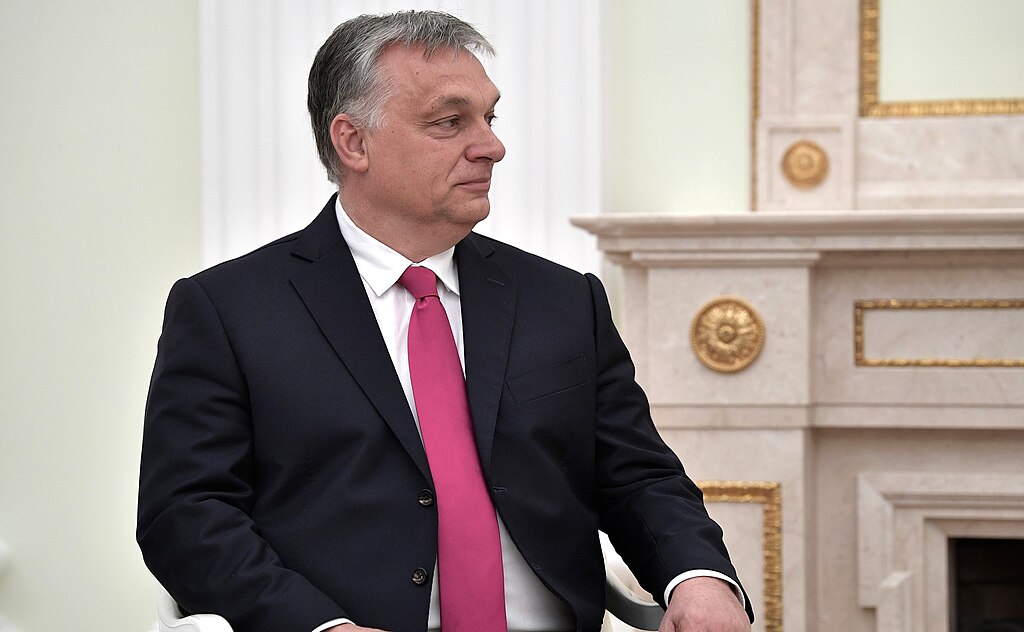
On the eve of Hungary's pivotal parliamentary election, Slovak Prime Minister Robert Fico and Czech populist leader Andrej Babis publicly declared their support for Hungarian Prime Minister Viktor Orban, calling him the strongest defender of national sovereignty in Europe.
Fico praised Orban as an unmatched champion of national interests, while Babis credited him with fighting for a stronger, more sovereign Europe built on peace and competitiveness. Both leaders urged voters to choose stability and proven leadership during uncertain times.
Despite opinion polls suggesting Orban could lose his grip on power after 16 years — making Sunday's vote one of the most consequential in Hungary's recent history — his regional allies remained firmly in his corner. Orban, a nationalist with longstanding tensions with Brussels and notably warm ties with Moscow, has been a polarizing but dominant figure in Central European politics.
The solidarity among the three leaders is no coincidence. Hungary, Slovakia, and the Czech Republic share closely aligned political positions: all three have maintained friendly relations with Russia, resisted EU sanctions, and continued importing Russian oil and gas. Slovakia and Hungary have also faced criticism from European institutions over rule-of-law concerns. The Czech Republic recently cut aid to Ukraine and declined to join a 90-billion-euro EU loan package for Kyiv — moves that mirror Hungarian and Slovak stances, though Prague's overall position on Russia remains comparatively moderate.
Babis, who shifted from a pro-EU liberal stance to a staunch Orban ally within the Patriots for Europe parliamentary faction, has also drawn scrutiny at home. Critics argue his government's proposed media and NGO reforms mirror Hungarian and Slovak legislation that has eroded democratic norms.
As Hungary heads to the polls, the outcome could reshape the balance of power within the EU's nationalist bloc.