


 Trump Says US Army Base in Poland Talks Make Progress
  Japan, U.S. Discuss $19 Billion GlobalFoundries Chip Plant
  Mexico Pushes for US Trade Deal Before Midterms
  Google Changes EU Spam Policy Amid Antitrust Scrutiny
  Texas Republicans Turn Against AI Data Centers as Election Backlash Grows
  Venezuela Nears Deal to Move $4 Billion in Gold to New York Fed
  US Bans Canadian Alcohol, Motorcycles as Trade War Escalates
  US Resumes Immigrant Visa Processing for Hungary, Poland
  NATO Commander Joins US Review of Troop Deployments in Europe
  SEC Seeks ISS Client Voting Records in Proxy Adviser Probe
  Judge Blocks Trump Rule Limiting Foreign Student Visas
  Australia Plans New Rules Giving Users Control Over Social Media Feeds
  Australia Tightens Student Visa Rules, Targets Migration Cut by 2028
  Najib Razak Granted House Arrest Until 2028
  FDA Names Permanent Drug and Biologics Center Chiefs
  Iran Economic Crisis Forces Afghan Families to Return Home
  France Targets Shein, Temu With Fast-Fashion Fees


 Add as a preferred source on Google
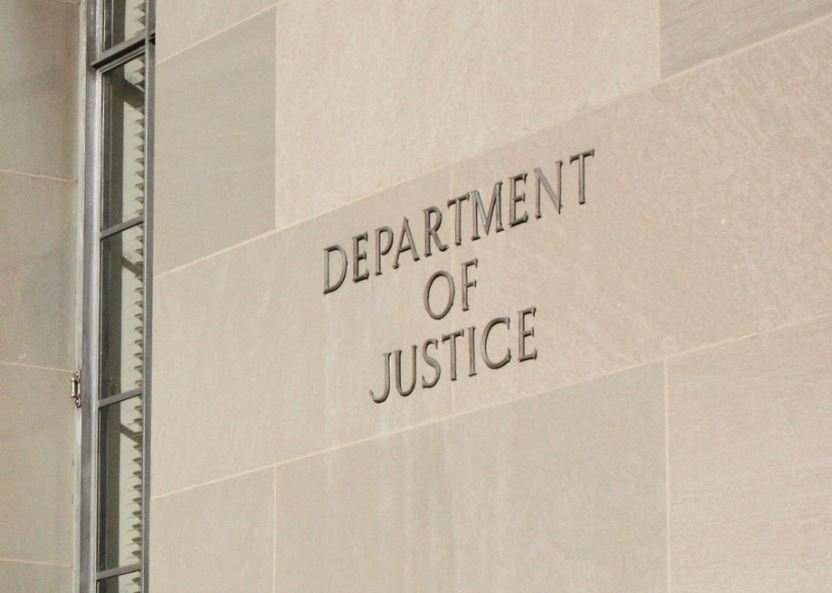
The U.S. Department of Justice (DOJ) has abandoned a controversial plan to dismantle its Washington-based Tax Division and redistribute prosecutors to U.S. attorneys’ offices nationwide. The decision, revealed in an internal email obtained by Reuters, marks a shift from an earlier DOJ initiative aimed at decentralizing the enforcement of federal tax law.
Instead of the full-scale overhaul, the DOJ is now considering a more modest restructuring. Under the revised plan, tax attorneys would be integrated into the DOJ’s civil and criminal divisions, while the core structure of the Tax Division remains intact. A DOJ official confirmed the department is still reviewing how best to allocate its resources and no final decisions have been made.
The original proposal, part of a broader government reorganization effort during Donald Trump’s presidency, was met with strong opposition from legal experts and former DOJ officials. Critics, including former Deputy Attorney General Rod Rosenstein, warned that eliminating the centralized Tax Division would reduce enforcement efficiency and lead to inconsistent application of the tax code.
“If the goal is to increase efficiency and return on investment, eliminating the Tax Division would be an epic failure,” former officials stated, emphasizing the risks of decentralization.
This is not the first restructuring initiative under scrutiny. A separate proposal to merge the Drug Enforcement Administration (DEA) with the Bureau of Alcohol, Tobacco, Firearms and Explosives (ATF) also drew criticism from advocacy groups concerned about operational disruptions.
The DOJ’s retreat from the Tax Division overhaul highlights the ongoing debate over balancing government efficiency with the integrity of specialized legal functions. The outcome of this restructuring process could significantly impact the future of federal tax enforcement in the United States.







