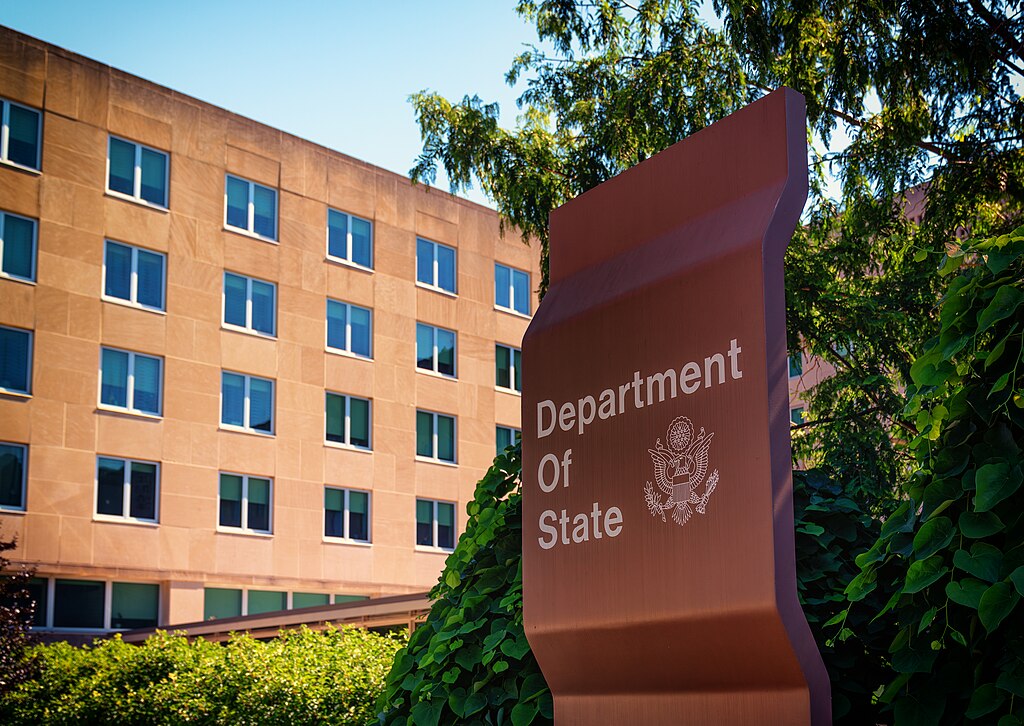
The Trump administration is ramping up diplomatic pressure on U.S. allies to formally designate Iran's Islamic Revolutionary Guard Corps (IRGC) and Lebanon's Hezbollah as terrorist organizations. A classified State Department cable, signed by Secretary of State Marco Rubio on March 16, was distributed to all U.S. diplomatic and consular posts worldwide, urging ambassadors to deliver this message to foreign counterparts "at the highest appropriate level" before March 20.
The directive comes amid growing concerns over the elevated risk of attacks linked to Iran and its affiliated proxy groups. U.S. diplomats were also instructed to coordinate these advocacy efforts alongside Israeli counterparts, reflecting the close alignment between Washington and Tel Aviv as the two nations continue their joint military campaign launched roughly two weeks ago.
The cable emphasizes that collective international action is far more effective than unilateral measures in changing Iranian behavior. It highlights how Tehran has repeatedly destabilized neighboring countries through armed proxies and calls on allied governments to move swiftly in stripping these groups of financial and operational capabilities. While the IRGC and Hezbollah are already blacklisted by the United States and several other nations, Washington is pushing for broader global consensus to maximize economic and political pressure on Tehran.
However, the administration's coalition-building efforts are facing headwinds. Multiple U.S. allies have declined to contribute naval vessels to help secure the Strait of Hormuz, a critical global oil shipping route that the Trump administration is working to keep open amid regional tensions.
A State Department spokesperson reaffirmed that President Trump remains committed to achieving lasting peace in the Middle East, asserting that Iranian-backed groups like the IRGC and Hezbollah continue to undermine regional stability and threaten governments across the region.