


 Djibouti Migrant Boat Capsizes, Killing 139 and Leaving 84 Missing
  Trump Announces Russia-Ukraine Energy Ceasefire as Zelenskiy Awaits Details
  Trump Sanctions International Criminal Court, Sparking EU Backlash
  Jordan Bardella Antisemitism Allegations Threaten Le Pen’s Campaign
  Pakistan Declares Emergency in Khyber Pakhtunkhwa, Suspends Imran Khan’s PTI Government
  NATO Commander Warns Russia of Devastating Response to Attack
  Trump Defends Russian Diesel Deal Amid US Sanctions Backlash
  Zelenskiy Offers Russia Energy Truce Amid Trump Pressure
  Houthis Warn Saudi Airports After Deadly Riyadh Attack
  Most Americans Oppose Election Betting on Prediction Markets, Poll Finds
  Trump Announces Russia-Ukraine Energy Ceasefire Amid U.S. Pressure on Kyiv
  US Authorities Raid Ilhan Omar’s Home Amid Immigration Fraud Probe
  Trump Calls for Zelenskyy Replacement Amid Russian Diesel Deal
  UK Finance Minister Healey Calls for Fiscal Discipline Amid Global Risks
  North Korea Fires Ballistic Missiles as Tensions With South Korea Escalate
  India Voter List Protests Reach Supreme Court as Opposition Demands Election Chief's Resignation
  Elon Musk Donates $366 Million to 2026 US Midterms


 Add as a preferred source on Google
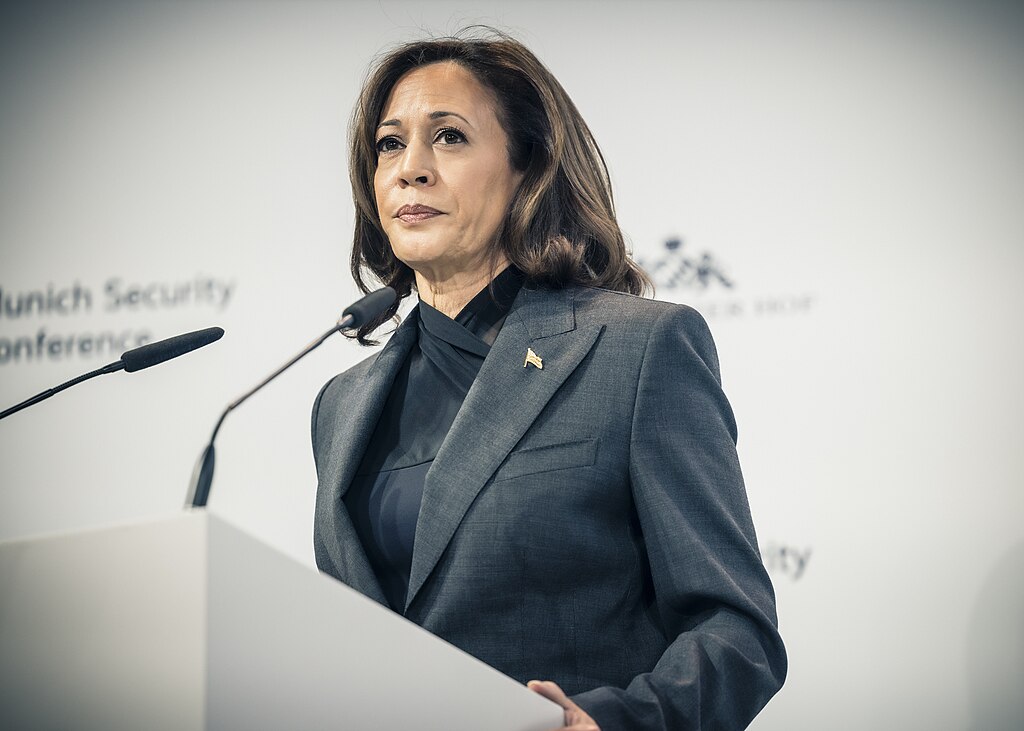
President Joe Biden's abrupt decision to withdraw from the 2024 presidential election has dramatically reshaped the political landscape, placing Vice President Kamala Harris in the spotlight as the potential Democratic nominee. For much of the last three years, Harris was perceived as a liability to Biden's re-election prospects, with her approval ratings trailing behind his. However, recent developments have shifted this narrative.
Democratic desperation and Harris’ energetic performance as a dedicated administration spokesperson have changed her fortunes. If nominated, Harris would become the first woman of color to lead a national ticket and, if victorious, the first female president.
Several recent polls indicate that Harris is within striking distance of former President Donald Trump, trailing by just 1 or 2 percentage points in a head-to-head matchup, as per The Los Angeles Times. Anticipating a Harris candidacy since Biden's lackluster debate performance in June, Republicans have been circulating old clips of her, mocking her public speaking style, accusing her of covering up Biden’s frailty, and linking her to the high number of arrests at the southern border during Biden's administration.
Republican sentiment remains divided. While some strategists believe Trump can still campaign against the Biden-Harris record on issues like inflation and border control, others argue that Biden was the weaker candidate. New Hampshire Gov. Chris Sununu noted that if Democrats switch to Harris, the dynamics in battleground states could tighten, potentially energizing the race.
Following Biden's announcement, the Democratic Party appeared to rally around Harris. Prominent figures such as Bill and Hillary Clinton publicly endorsed her, and the Biden for President fundraising committee quickly rebranded as Harris for President. Former President Obama called for a process to identify an outstanding nominee, indicating a measured approach.
Harris praised Biden’s leadership and expressed her intention to earn the nomination, emphasizing her commitment to uniting the Democratic Party and defeating Trump. Despite concerns that Harris remains too polarizing to secure a majority, her experience on a national ticket, access to the campaign’s fundraising network, and name recognition make her a strong contender. Democrats believe she can campaign on the administration’s policy achievements, which are viewed favorably even if Biden himself is not.
The primary challenge for Harris will be overcoming her national approval rating, which sits at about 39% compared to 50% disapproval, according to the latest 538 polling average. She also needs to improve her standing in swing states.
Harris’ political journey has been marked by significant milestones, from serving as San Francisco’s district attorney and California’s attorney general to becoming a U.S. senator and vice president. Selected by Biden as his running mate, she revitalized her political career but faced high staff turnover and racial and gender prejudices.
Her role in addressing migration from Central America became a political liability. Still, her leadership on abortion rights following the Supreme Court's decision to overturn Roe v. Wade helped boost her standing within the party. Representing the administration in Europe and Asia further established her foreign policy credentials.
As the Democratic Party navigates this unprecedented transition, Harris remains a prominent figure. Her ability to capitalize on this moment and secure the nomination will be closely watched. With the election just months away, the party must unite behind a candidate capable of defeating Trump and advancing their agenda.
The Democratic Party faces a crucial decision, and Harris stands poised to make history if she can garner the support needed to lead the ticket and, ultimately, the nation.







