


 New Zealand Labour Backs Social Media Ban for Under-16s
  DOJ Will Investigate AI-Related Crimes, Attorney General Blanche Says
  Mahmoud Khalil Sues Columbia Over Alleged Pro-Palestinian Harassment
  SEC Probes Banks Over Situational Awareness Hedge Fund Collapse
  Sweden Election: Centre-Left Holds Narrow Lead
  Kim Jong Un Pledges Deeper Russia Cooperation
  Trump Administration Pauses Visa Appointments Worldwide
  Prince Harry, Elton John Ordered to Pay £9.54 Million in Daily Mail Legal Costs
  New Zealand Moves to Ban Social Media for Children Under 16
  Who should own the knowledge that underpins AI technology?
  Saudi Arabia Raises Security Alerts as Houthi Attacks Threaten Oil Routes
  Vietnam, U.S. Firms Plan 29 Deals Across Energy, Tech and Aviation
  Trump Administration Removes Confederate Memorial Criticism From Arlington Website
  China’s Global Times Slams Anthropic CEO’s AI Slowdown Plan as ‘Cold War’ Strategy
  Australia Defends Social Media Algorithm Law Amid US Concerns
  Banking scandal rocks Brazil’s politics and the country’s presidential election in October


 Add as a preferred source on Google
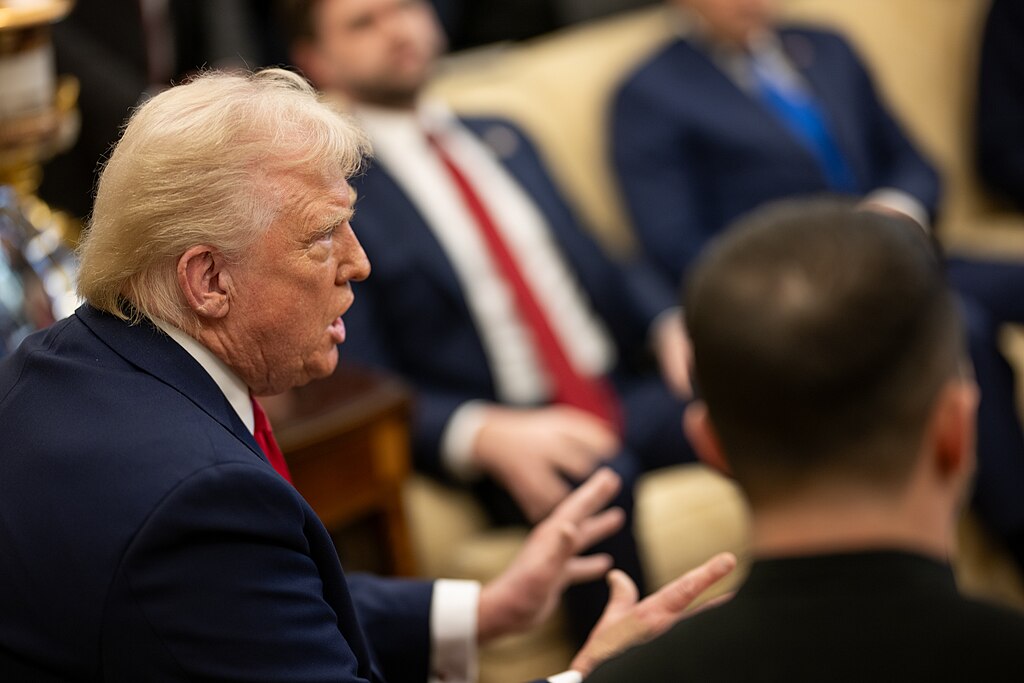
A divided U.S. appeals court has ruled that President Donald Trump can deploy National Guard troops to Portland, Oregon, despite objections from local and state leaders. The 9th U.S. Circuit Court of Appeals granted the Justice Department’s request to lift a lower court’s block on the deployment, marking a key legal win for Trump as he seeks to assert federal authority over Democratic-led cities.
The three-judge panel ruled that sending in the National Guard was justified in response to protests that had damaged federal property and threatened U.S. Immigration and Customs Enforcement (ICE) officers. Judges Bridget Bade and Ryan Nelson, both Trump appointees, supported the decision. Nelson wrote separately, arguing that courts should not have the power to review the president’s decision to deploy troops. Judge Susan Graber, appointed by Bill Clinton, dissented, calling the ruling “dangerous” and urging the full court to overturn it before any deployment occurs.
Oregon Attorney General Dan Rayfield criticized the ruling, warning it could set a precedent allowing presidents to deploy troops “with almost no justification.” The Justice Department has asked the court to lift a separate order blocking troop deployment, with a hearing set for Friday.
The dispute stems from Trump’s September 27 order to send 200 National Guard troops to Portland under Section 12406 of Title 10 of the U.S. Code, citing an inability to enforce federal law amid ongoing protests. However, state officials argued that the protests were largely peaceful, with minimal arrests since mid-June.
U.S. District Judge Karin Immergut, also a Trump appointee, previously blocked Trump’s order, ruling that there was no evidence of rebellion or widespread lawlessness. She stated that Trump’s depiction of Portland as “war-ravaged” was “untethered to the facts.” The case continues as Trump seeks a Supreme Court ruling on his authority to deploy troops to Democratic-led cities.







