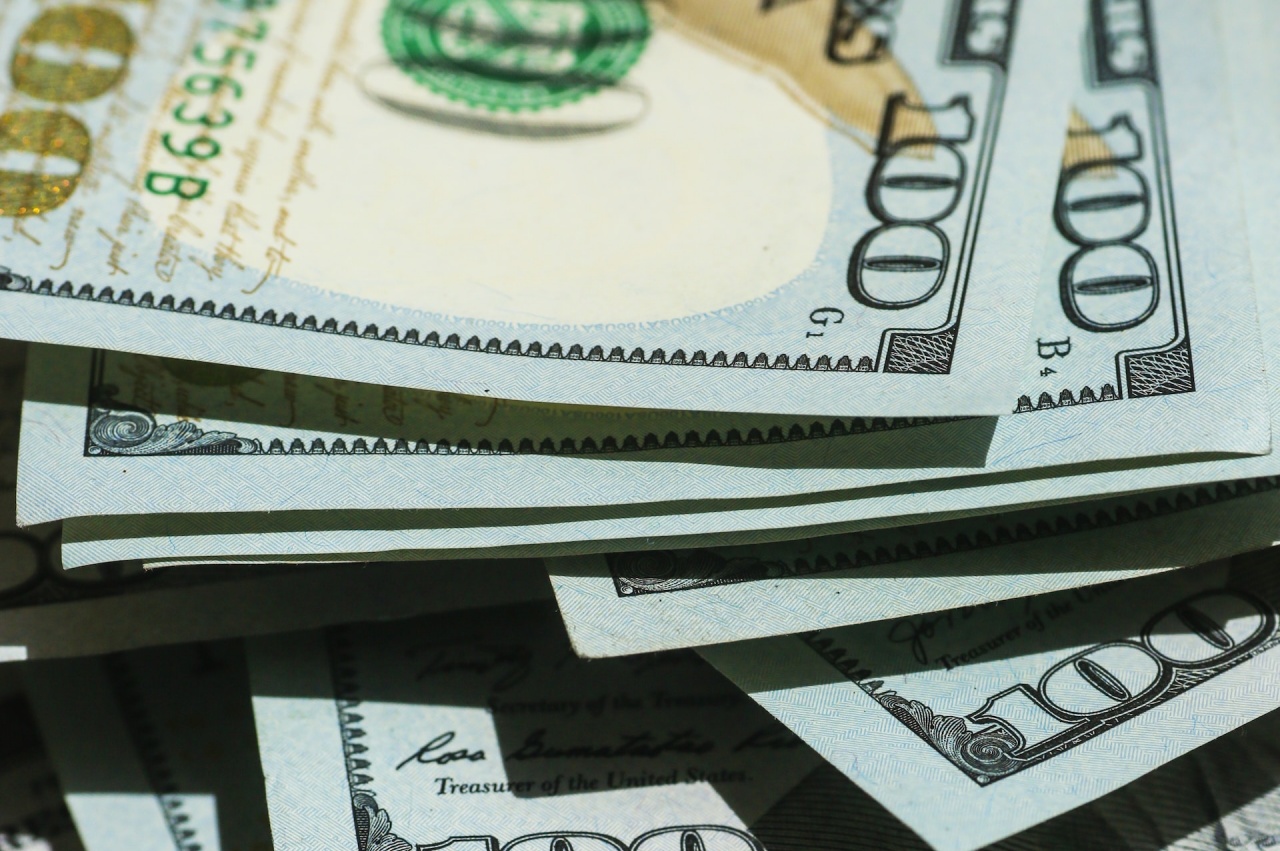
The U.S. dollar bounced back on Tuesday after hitting a two-month low, driven by safe-haven flows following President Donald Trump’s reaffirmation that tariffs on Mexico and Canada would proceed as planned.
Trump stated on Monday that tariffs on key imports, including autos and energy, remain on schedule despite efforts from Canada and Mexico to strengthen border security and curb fentanyl smuggling ahead of the March 4 deadline. This dampened market sentiment, boosting demand for safe-haven assets like gold, Treasuries, and the U.S. dollar.
The euro retreated from a one-month high to $1.0461, with future movement hinging on Germany’s coalition government formation post-election. Sterling slipped 0.06% to $1.2618, while the Australian and New Zealand dollars fell to $0.6339 and $0.5725, respectively. The dollar index held steady at 106.75 after recovering from Monday’s 106.12 low.
Despite a 3% drop in the dollar since January, fueled by weak U.S. economic data, losses remain limited due to tariff concerns. "The U.S. is losing its economic exceptionalism, but risk-off sentiment still supports the dollar," noted Ray Attrill, head of FX strategy at National Australia Bank.
The greenback also rose 0.35% against the yen to 150.22, rebounding from its weakest level since early December. The decline in U.S. Treasury yields, particularly in real terms, has pressured the dollar, while speculation of a Bank of Japan rate hike has strengthened the yen.
With tariff uncertainties clouding risk sentiment, defensive support for the dollar is expected to persist.