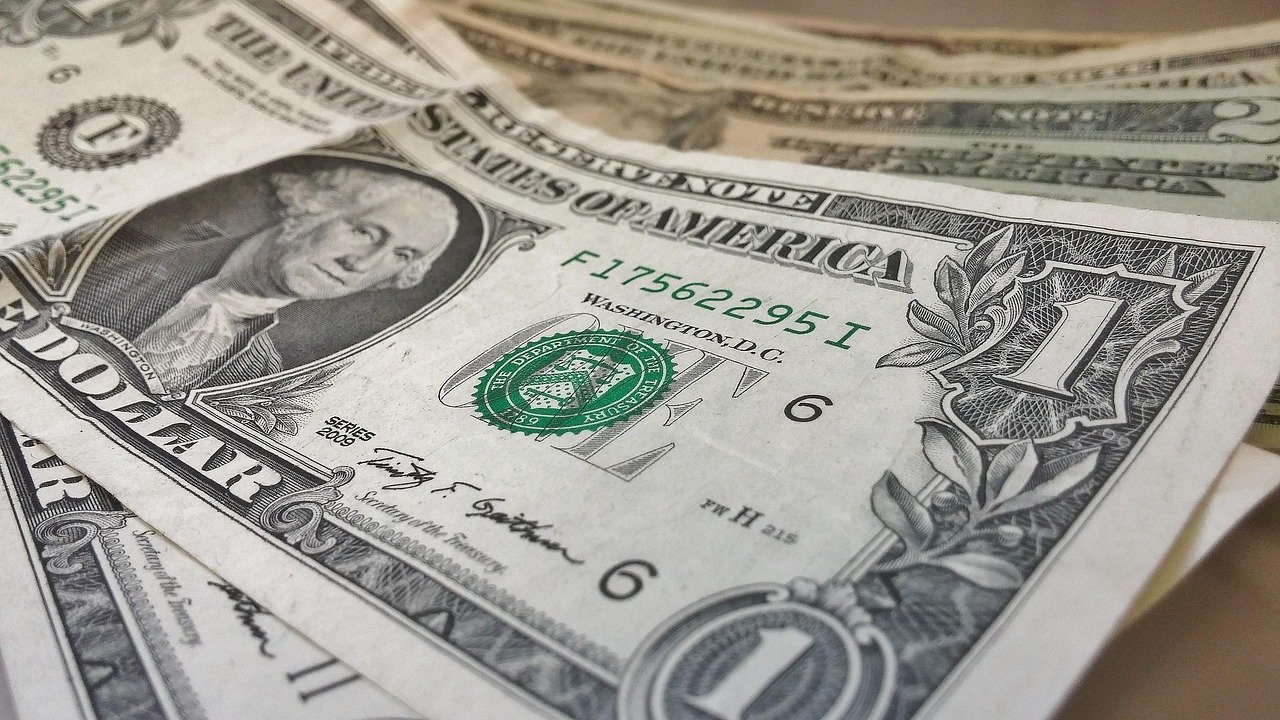
The U.S. dollar struggled to hold gains on Monday despite easing recession fears and a robust March payrolls report that reduced chances of a Federal Reserve rate cut in June. Analysts at JPMorgan and Goldman Sachs noted the strong labor data likely ensures the Fed keeps rates steady this week, with odds of a June cut dropping to 37% from 64% a month ago.
Still, the dollar showed limited strength, dipping 0.2% against both the euro at $1.1324 and the yen at 144.63, despite thin trading in Asia due to holidays. The dollar index also slipped 0.2% to 99.857. Traders remain cautious, awaiting concrete signs of a breakthrough in U.S.-China trade talks after vague signals from both sides.
President Trump claimed on Sunday that China wanted a deal, but offered no specifics. Beijing is still reviewing Washington's offer on talks regarding the 145% tariffs. Meanwhile, the Taiwanese dollar surged 5% last week amid speculation of U.S. pressure on Asian currencies.
Market confidence in the dollar remains shaky, especially amid political pressure on the Fed and increased speculative short positions, raising the risk of a sudden reversal on positive news.
The next key data point is the ISM services survey, with a weak result likely to reignite slowdown concerns. In the UK, the Bank of England is expected to cut rates by 25 basis points this Thursday, with markets watching for signals of further easing toward 3.5% by year-end.
Elsewhere, central banks in Norway and Sweden are seen holding rates steady. The Australian dollar held firm at $0.6441 following Prime Minister Anthony Albanese’s re-election, supported by global risk-on sentiment after the U.S. jobs report.