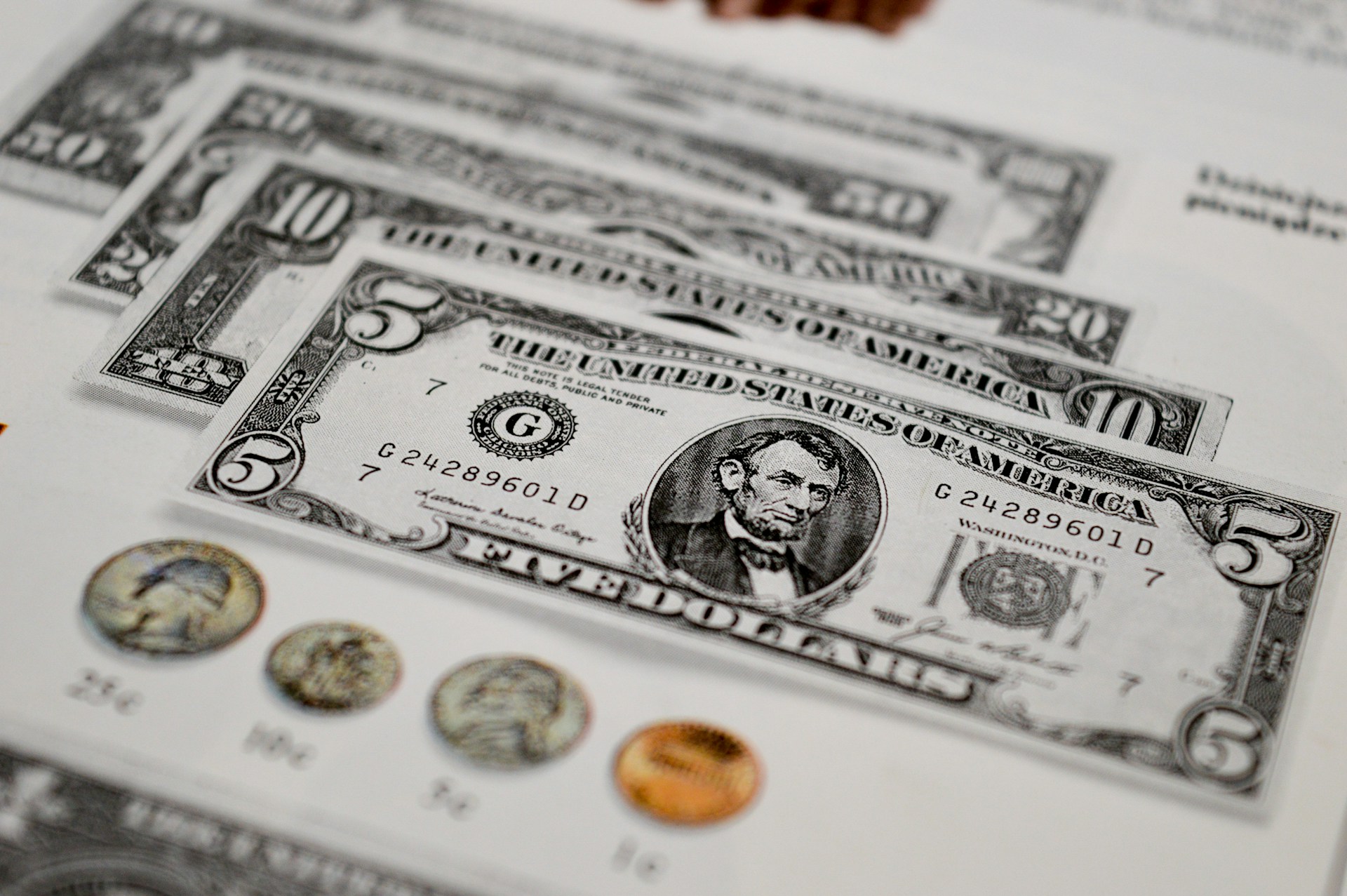
The U.S. dollar weakened on Wednesday as soft economic data reinforced expectations that the Federal Reserve will cut interest rates in December. Investors are increasingly betting that the likely next Fed chair could guide monetary policy in a more dovish direction, adding further pressure on the greenback.
The New Zealand dollar strengthened after the Reserve Bank of New Zealand cut rates as anticipated but struck a more hawkish tone on the future path of monetary policy. The kiwi climbed 0.75% to $0.5663, while the Australian dollar edged 0.14% higher to $0.6478 after local inflation data exceeded forecasts.
Recent U.S. figures showed retail sales rising less than expected in September, while producer prices matched market estimates. Consumer confidence also declined in November as households grew more anxious about employment prospects and personal finances. These indicators fueled market expectations of a near-term Fed rate cut, with traders now pricing in an 84% chance of a 25-basis-point reduction, according to the CME FedWatch tool.
The euro advanced toward $1.16, supported partly by signs of progress in a peace framework between Russia and Ukraine. Sterling held steady at $1.3166 as markets awaited a major U.K. budget statement expected to include significant tax increases. Demand for options hedging against pound volatility surged ahead of the announcement.
The dollar index slipped to 99.82, extending its decline from the previous session. Additional downward pressure came from reports that White House economic adviser Kevin Hassett has become the leading contender to replace Fed Chair Jerome Powell. Hassett has previously aligned with President Trump’s push for lower interest rates, reinforcing expectations of a more accommodative Fed leadership.
The weaker dollar offered modest relief to the Japanese yen, which traded at 156.24 per dollar, though still near its recent lows. With U.S. markets quieter ahead of the Thanksgiving holiday, traders warned that Japan could take advantage of thinner liquidity to intervene and support the yen.